





Japanese Imari Porcelain Bowl
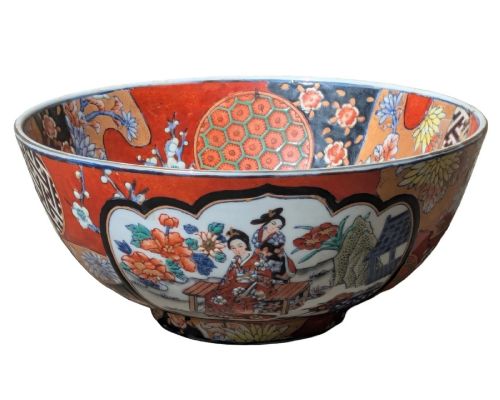
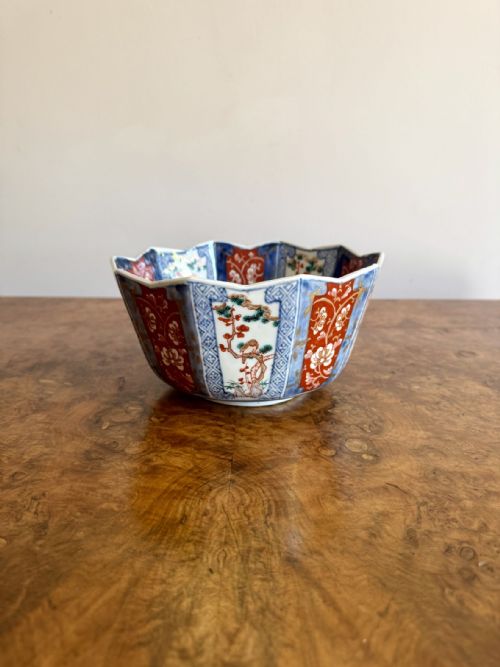
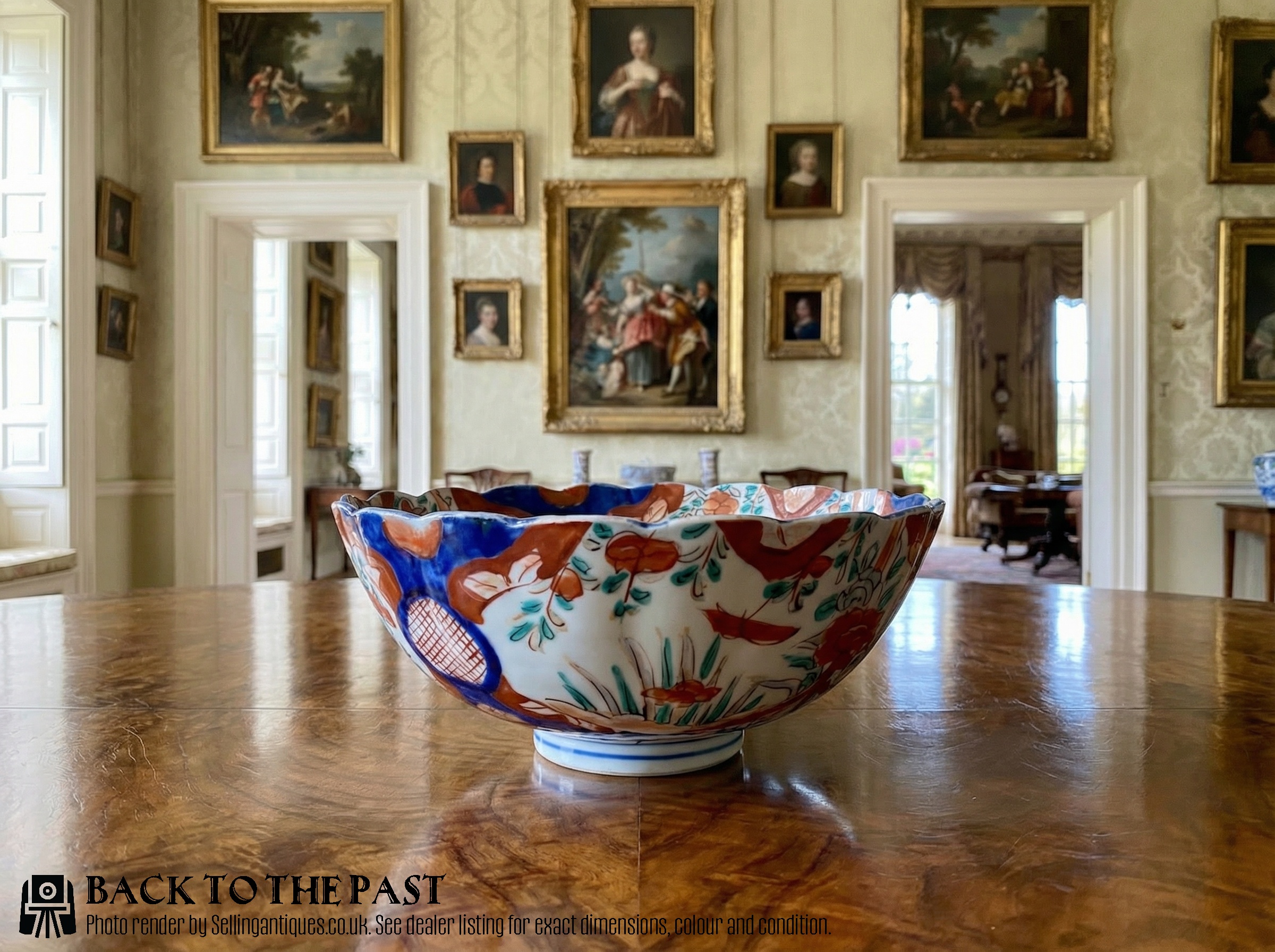
A japanese imari porcelain bowl brings rich cobalt blue and vibrant iron red into a room, grounding a surface with centuries of kiln tradition.
Japanese Imari Porcelain Bowl
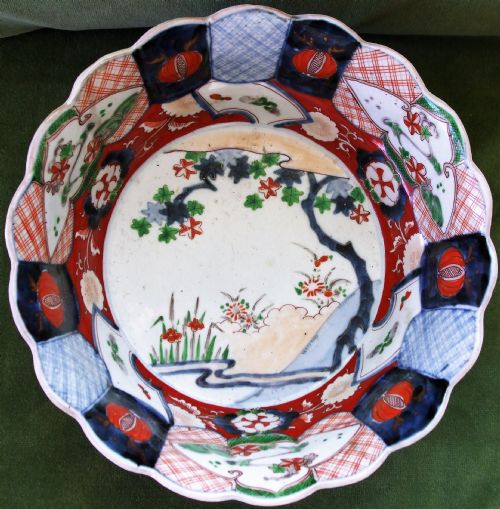
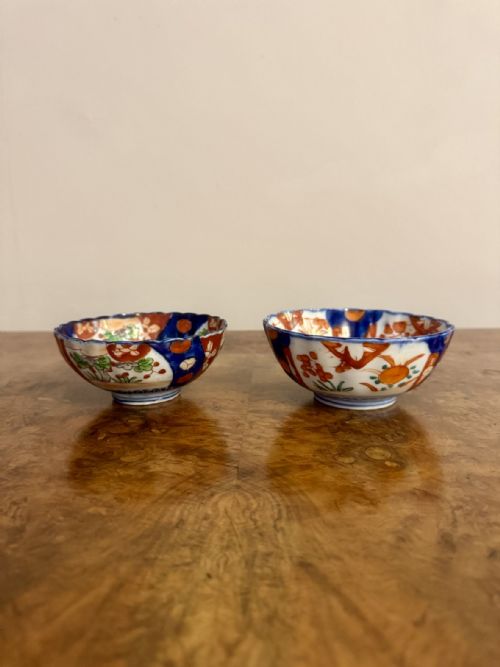
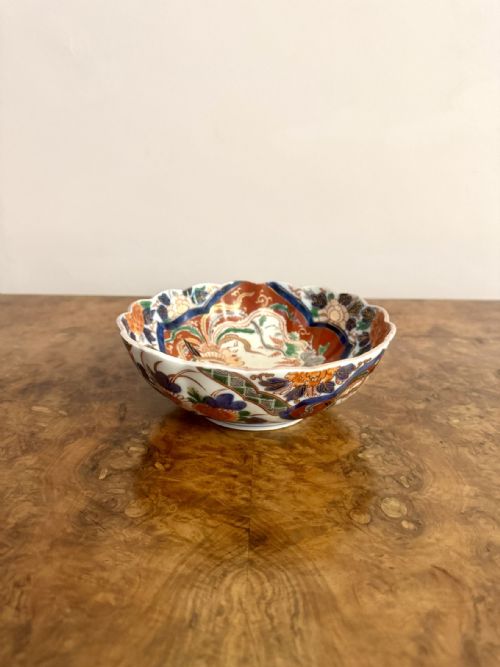
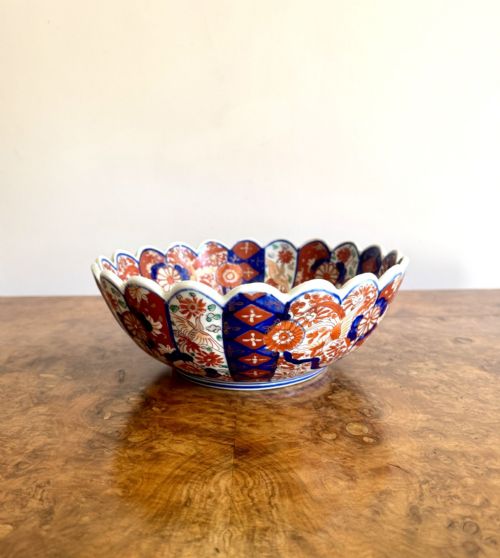
A japanese imari porcelain bowl spans several centuries of production, appearing in forms ranging from small tea vessels to large centrepieces and jardinieres. The pieces encountered most frequently on this page date to the Meiji period and the around-1900 era, often displaying scalloped or fluted edges.
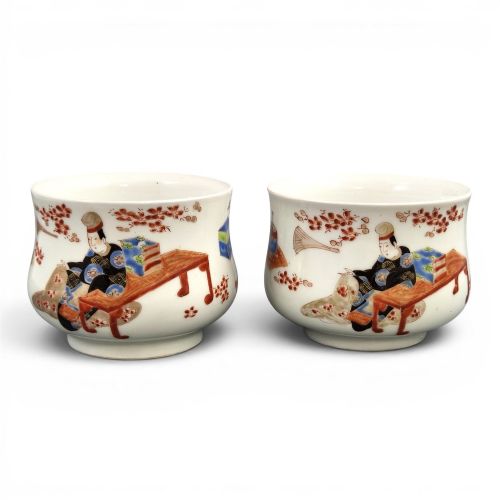
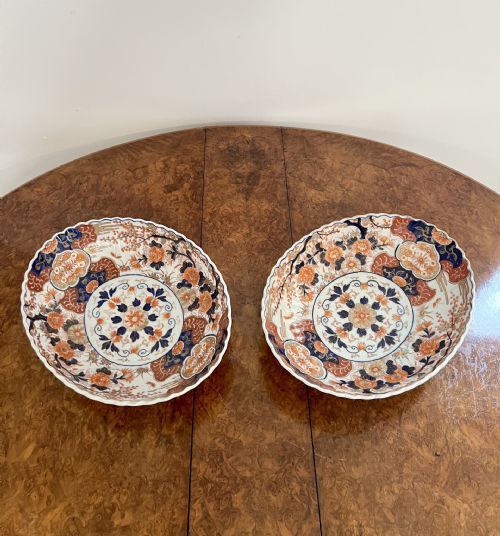
Earlier examples reach back to the Edo period and the seventeenth century, connecting directly to the kilns of Arita where the style originated. Alongside standard round vessels, listings include hexagonal shapes, tripod bowls, and shallow display dishes sharing the same decorative vocabulary.
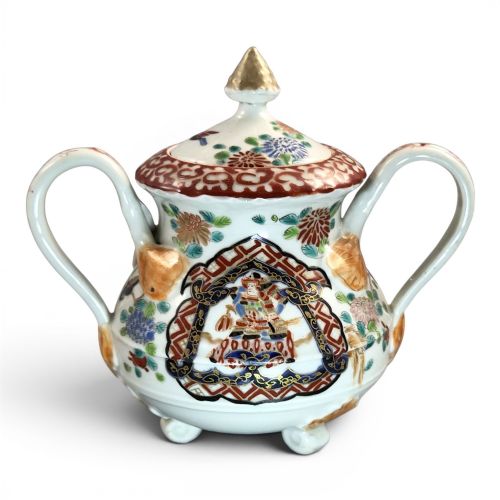
The objects serve primarily as decorative display items or tableware, carrying the distinctive palette developed for export and domestic use alike. Collectors encounter variations from simple utilitarian forms to elaborate centrepieces designed to catch the eye.
Materials and Techniques
The foundation of every piece is hard-paste porcelain fired at high temperatures, coated in a clear glaze that provides a smooth, glossy surface. Cobalt underglaze is applied directly to the clay body before the initial firing, yielding deep blues that remain permanent beneath the glaze.
Enamel colours, notably iron red and sometimes contrasting green, yellow, or black, are painted over the glaze during a subsequent, lower-temperature firing. Details in gold leaf, gilding, or gilt are added last, bringing metallic highlights to the painted motifs.
Japanese Imari Porcelain Bowl Retail Price Guide 2026
Typical asking prices for japanese imari porcelain bowl among the pieces listed under this phrase on Sellingantiques today, from the lower quarter to the upper quarter. They describe what is for sale here now, not the wider market.
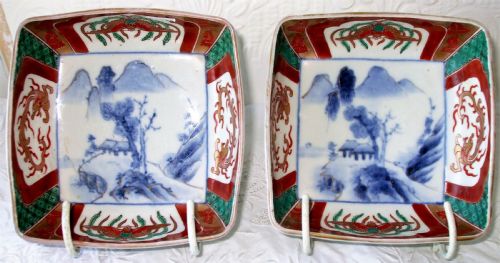
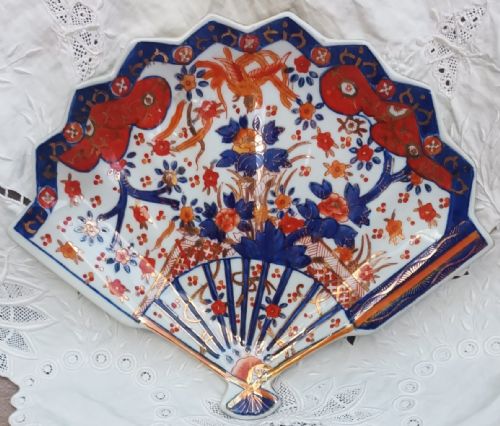
Form variations include scalloped edge bowls, hexagonal shapes, tripod bases, and matching plates originating from the Arita kilns.
Assessing Quality and Execution
The standard of a japanese imari porcelain bowl depends largely on the precision of the hand-painted brushwork and the harmony of the palette. Crisp, defined cobalt underglaze lines combined with neatly controlled enamel and gilding distinguish finer pieces from simpler commercial output.
Form and potting also indicate calibre, seen in the clean symmetry of scalloped edges, the weight of the porcelain body, and the complexity of the shape such as hexagonal or tripod construction. Finer examples show intentional composition where every panel and border aligns correctly with the overall design.
Ginshōtei Gyokushi·Fukagawa Mark
The Japanese Imari Porcelain Bowl Glossary
- Imari
- A style of Japanese porcelain named after the port from which wares were shipped, traditionally characterised by a palette of cobalt blue and iron red with added gilding. This decorative approach developed in the Hizen province during the Edo period.
- Arita
- The Japanese town and surrounding region where porcelain production began in the early seventeenth century, serving as the primary manufacturing centre for Imari wares. Kilns here supplied both domestic markets and international export trade.
- Meiji Period
- The era of Japanese history lasting from 1868 to 1912, associated in ceramics with prolific export production and highly detailed hand-painted designs. Pieces from this time frequently feature rich gilding alongside traditional cobalt and red pigments.
- Edo Period
- The period of Japanese history from 1603 to 1867, encompassing the early centuries of porcelain manufacturing in Arita. Surviving wares from this time represent the foundational phases of the Imari tradition.
- Cobalt Underglaze
- A blue pigment applied to the raw porcelain body prior to glazing and firing, which reacts with heat to produce a permanent deep blue tone. This pigment withstands high kiln temperatures without fading or running.
Japanese Imari Porcelain Bowl: Frequently Asked Questions
How do I date a Japanese Imari bowl?
Dating relies on stylistic shifts, potting techniques, and any recorded marks on the base of the vessel. Earlier pieces from the seventeenth and eighteenth centuries often display heavier bodies and slightly different cobalt tones compared to later Meiji or around-1900 examples.
Examining the glaze consistency and the crispness of the iron red and gilding helps narrow the production era. Comparing the form against documented pieces from similar kiln periods provides further context.
What is the difference between Imari and Arita?
Arita refers to the geographical production centre and the kilns where the porcelain was actually manufactured in Hizen province. Imari is the shipping port through which these finished wares travelled to reach domestic and international markets.
While all Imari porcelain originates from the Arita region, the term Imari specifically denotes the decorative style featuring blue, red, and gold. The two terms frequently overlap in descriptions of seventeenth and eighteenth-century wares.
How were these bowls originally used?
Many of these vessels served as utilitarian tableware for serving food, holding tea, or containing sugar during meals. Others were produced strictly as decorative centrepieces, display dishes, or jardinieres intended to showcase wealth and artistic taste in a room.
The inclusion of scalloped edges, tripod feet, and cover lids points to versatile domestic functions ranging from dining to interior ornamentation. Their robust porcelain construction made them suitable for daily handling as well as formal presentation.
How should I care for an antique Imari bowl?
Maintenance requires gentle handling and simple cleaning using warm water and a mild soap when necessary. Asoft cloth prevents scratching the overglaze enamels and delicate gilding applied to the surface.
Displaying the piece away from direct sunlight and sudden temperature changes protects the glaze and pigments over time. Avoid using abrasive sponges, chemical cleaners, or dishwashers on antique porcelain.