


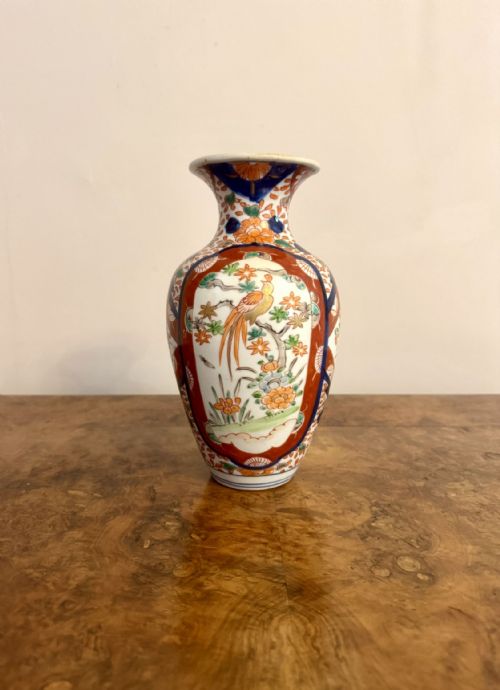
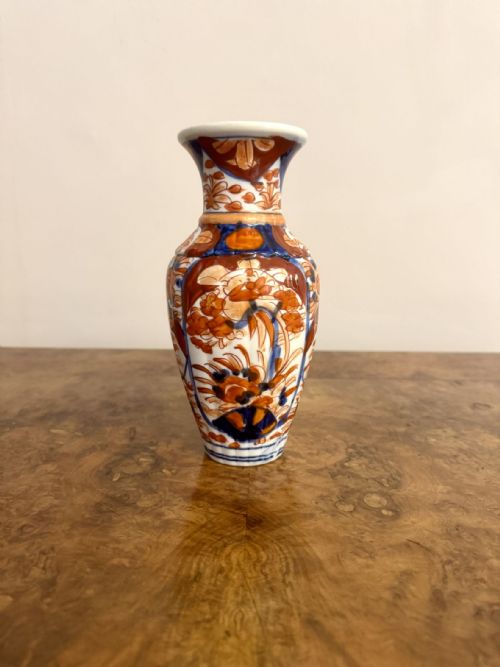


Japanese Floral Pottery Vase
A Japanese floral pottery vase brings centuries of intricate hand-painted tradition and rich colour into any room.
Japanese Floral Pottery Vase
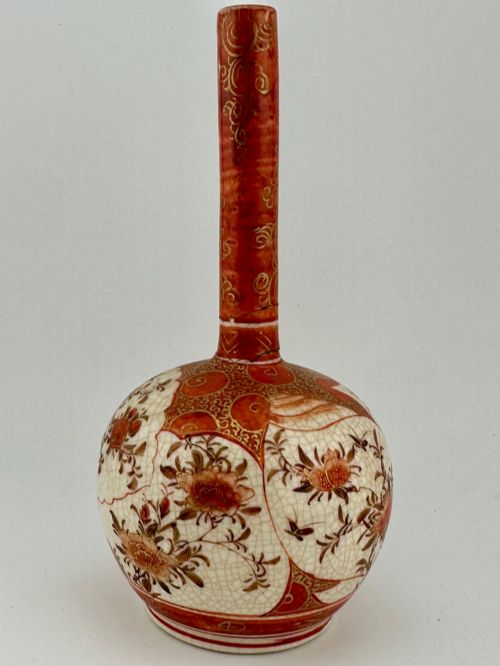
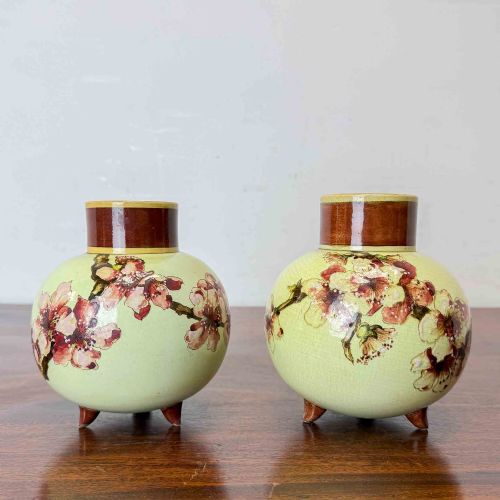
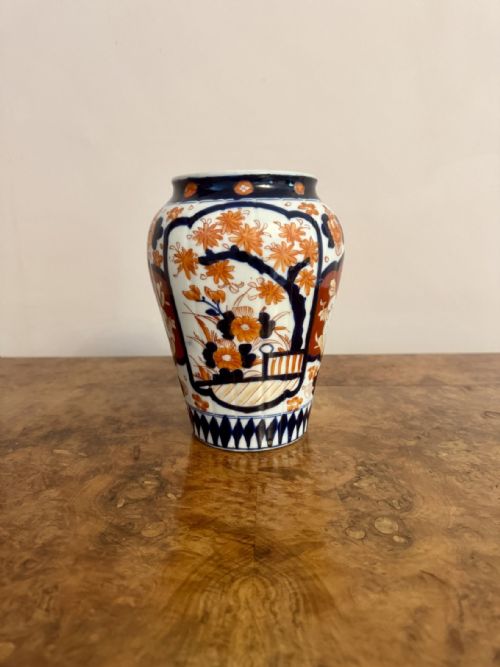
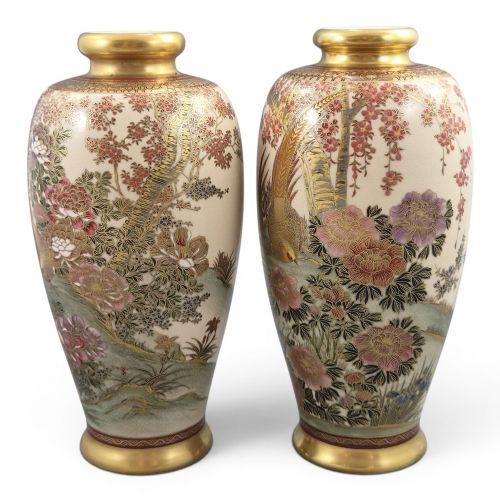
A Japanese floral pottery vase encompasses diverse pieces originating from the nineteenth and early twentieth centuries, spanning the Meiji, Edwardian, and Showa periods. Buyers frequently encounter Satsuma earthenware and Imari porcelain pieces decorated with botanical motifs.
The selection here includes slender neck vessels, bulbous forms, and large pairs designed for display. These objects reflect traditional Japanese aesthetics adapted for both domestic interiors and international exhibitions.
Materials and technique
Potters utilised earthenware and porcelain as foundational bodies, shaping them into various vessel forms before applying detailed surface designs. Artisans employed enamel, glaze, and gilded touches to delineate floral patterns.
Techniques range from the distinct iron red and cobalt blue palettes of Imari wares to the finely crazed glazes and intricate overglaze enamels characteristic of Satsuma and Kutani production.
Japanese Floral Pottery Vase Retail Price Guide 2026
Typical asking prices for japanese floral pottery vase among the pieces listed under this phrase on Sellingantiques today, from the lower quarter to the upper quarter. They describe what is for sale here now, not the wider market.
Listings span multiple eras including the Meiji period, Edwardian era, and Showa period, utilising earthenware, porcelain, enamel, and gold leaf.
Assessing quality
Quality rests upon the precision of the brushwork and the complexity of the floral compositions rendered across the surface. Pieces produced by noted workshops demonstrate superior control over pigment application and gilding.
The refinement of the ceramic body and the consistency of the glaze further distinguish standard production pieces from exhibition quality works created during the Meiji period.
Maruni Kobe·Manpei·Hakusan·Tagawa·Kinkozan·Hododa
The Japanese Floral Pottery Vase Glossary
- Satsuma
- A type of Japanese earthenware characterised by a pale, ivory-coloured crazed glaze that serves as a canvas for detailed polychrome and gilt decoration.
- Imari
- A style of Japanese porcelain featuring a distinct palette primarily consisting of underglaze blue, iron red, and gold, depicting floral and geometric designs.
- Kutani
- A traditional Japanese ware known for bold overglaze enamel colours, frequently incorporating rich greens, yellows, purples, and reds in floral arrangements.
- Earthenware
- Porous pottery fired at lower temperatures, commonly utilised for Satsuma vases requiring a stable base for intricate enamel painting.
Japanese Floral Pottery Vase: Frequently Asked Questions
How do I identify Satsuma ware?
Satsuma ware is typically recognised by its distinctive ivory-coloured earthenware body covered in a fine network of crackled glaze. This surface is traditionally decorated with detailed enamel paintings and gold leaf.
Potters used this absorbent glaze layer to hold intricate floral and figural compositions securely in place.
What is the Imari palette?
The Imari palette consists of a traditional combination of underglaze cobalt blue and iron red, frequently accented with generous applications of gold leaf. These colours create a rich visual contrast across porcelain surfaces.
This distinct decorative scheme originated in Japan and gained significant popularity for export during the nineteenth century.
Where should I display these vases?
These decorative vessels suit prominent display areas where adequate lighting highlights the fine enamel work and gilt details. Placing them on sturdy sideboards or mantelpieces protects them from accidental knocks.
Keep pottery away from direct sunlight to preserve the vibrant tones of the historical overglaze pigments.
How do I care for antique pottery?
Maintain these ceramic pieces by dusting them gently with a dry, soft brush to remove surface particles. Avoid using water or liquid cleaning agents on antique enamel and gilt surfaces.
Handle vases by supporting both the body and the base rather than lifting them strictly by narrow necks or handles.