








Japanese Floral Porcelain Dishes
Japanese floral porcelain dishes bring rich cobalt blue and vibrant iron-red glazes into a room, offering centuries of decorative tradition.
Japanese Floral Porcelain Dishes
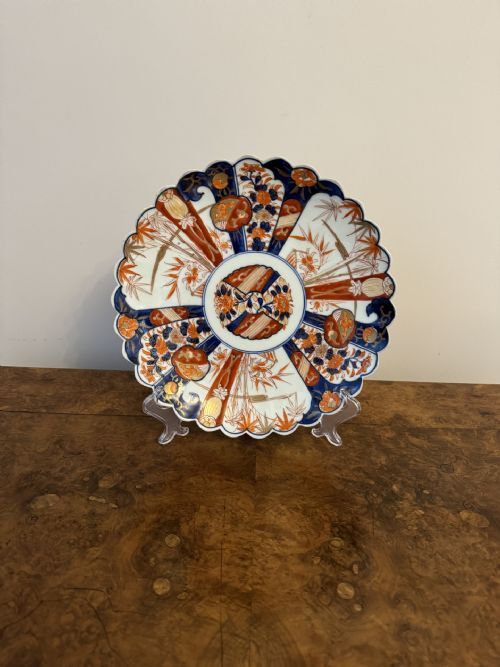
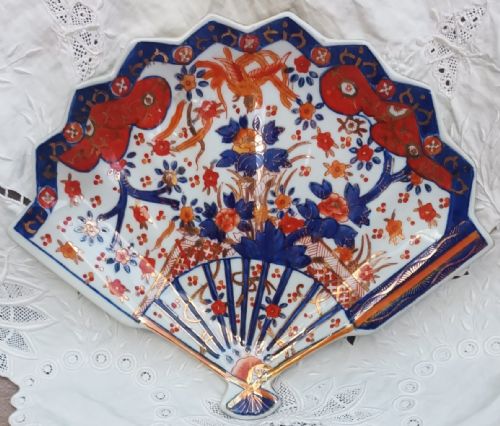
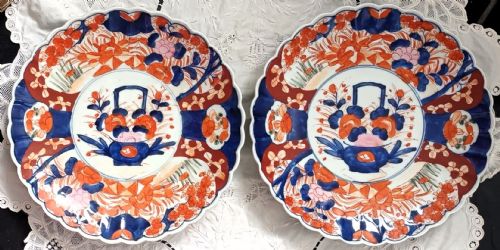
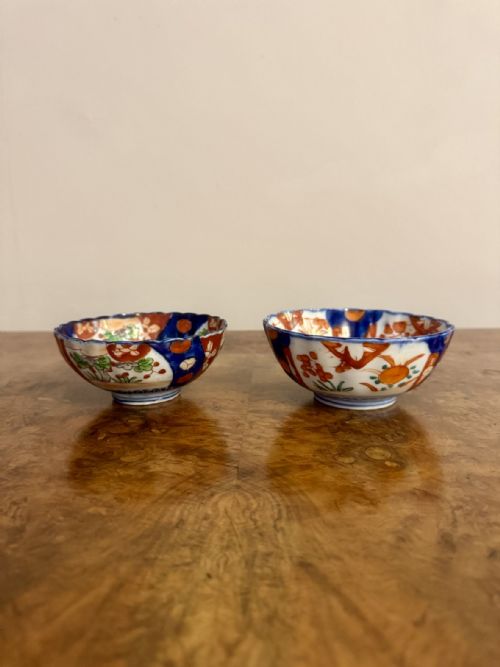
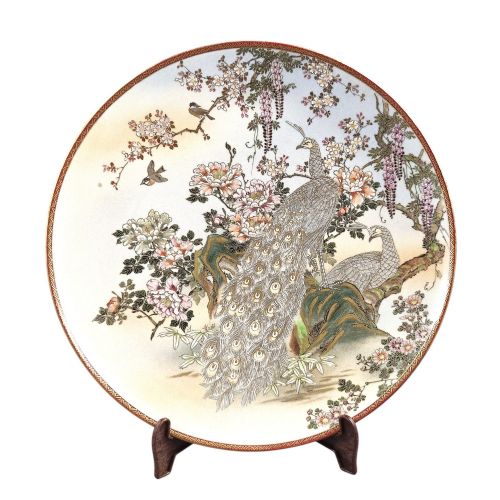
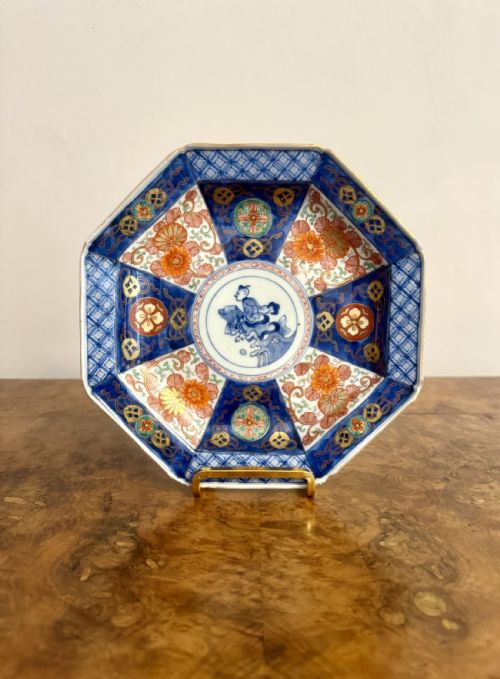
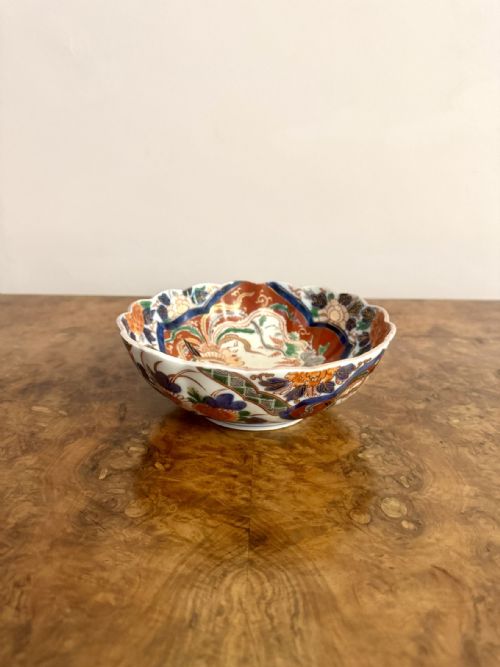
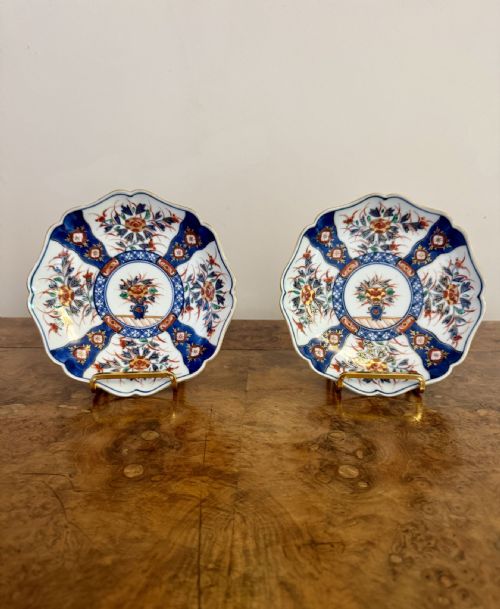
Japanese floral porcelain dishes encompass chargers, decorative plates, and bowls produced across the nineteenth and early twentieth centuries. These items serve primarily for display rather than dining, utilising bold patterns of flowers and foliage.
The version most commonly met on this page is the Japanese Imari charger or plate, typically featuring scalloped edges and distinct underglaze blue combined with enamel colours. Pieces from the Meiji period dominate the selection, showing traditional floral and bird motifs.
Examples span from Edo period works through to Edwardian interpretations, reflecting enduring export traditions. Collectors encounter everything from small individual dishes to large wall-hanging chargers in blue and white or polychrome palettes.
Materials and Construction
Production relies on dense porcelain body clays, fired at high temperatures to achieve a durable, vitrified base. Artisans apply cobalt underglaze pigments before the initial glaze firing to establish the deep blue foundation of the design.
Overglaze enamel colours and gold leaf are added in subsequent lower-temperature firings to build up vibrant floral motifs and intricate borders. Gilding and moriage relief work frequently accent these surfaces, adding tactile depth to the painted subjects.
Japanese Floral Porcelain Dishes Retail Price Guide 2026
Typical asking prices for japanese floral porcelain dishes among the pieces listed under this phrase on Sellingantiques today, from the lower quarter to the upper quarter. They describe what is for sale here now, not the wider market.
Listings feature porcelain, earthenware, and gold leaf spanning the Victorian, Edwardian, and Meiji periods.
Assessing Quality and Execution
The crispness of the hand-painted brushwork separates standard production items from superior examples. Finely executed pieces display precise control in the cobalt underglaze and careful application of enamel highlights.
The weight and balance of the porcelain body, alongside the richness of the gilding, indicate the maker's skill. Superior items maintain clean kiln results with minimal surface distortion across large charger diameters.
Kozan
The Japanese Floral Porcelain Dishes Glossary
- Imari
- A style of Japanese export porcelain originating from the port of Arita, traditionally characterised by a palette of cobalt blue, iron red, and gold.
- Meiji Period
- The era of Japanese history spanning from 1868 to 1912, known for prolific ceramic production aimed at Western export markets.
- Charger
- A large decorative plate intended for display on a wall or sideboard rather than practical table service.
- Arita
- The Japanese town and surrounding region long recognised as the historic centre of porcelain manufacturing.
- Moriage
- A decorative ceramic technique using raised slip or enamel dots to create textured relief patterns on the surface.
Japanese Floral Porcelain Dishes: Frequently Asked Questions
How do I hang a large charger?
Heavy wire spring hangers designed specifically for porcelain plates provide secure wall support without damaging the rim. Ensure the chosen hook anchors directly into solid wall material.
Avoid adhesive discs on antique porcelain, as the weight of nineteenth-century chargers requires mechanical support.
Are these dishes food safe?
Older export ceramics often feature lead-based overglaze enamels and gold leaf that degrade with frequent washing or acidic foods. Display remains the recommended use for these historical pieces.
Hand washing in lukewarm water with mild soap suffices if cleaning becomes necessary, avoiding dishwashers entirely.
How do I date a Meiji period piece?
Meiji period items align with the reign emperor from 1868 to 1912, often indicated by stylistic shifts toward elaborate polychrome decoration. Marks on the base can occasionally narrow down the decade of production.
Comparison with documented export wares helps distinguish late nineteenth-century output from later twentieth-century reproductions.
What is the difference between Imari and Arita?
Arita refers to the geographical production centre in Japan where the porcelain clay and kilns were located. Imari represents the shipping port and the specific decorative style associated with those wares.
All Imari porcelain is technically Arita ware, but not all Arita porcelain uses the traditional Imari colour palette.