





Japanese Floral Ceramic Bowl
A Japanese floral ceramic bowl brings centuries of East Asian craftsmanship into a room through intricate porcelain and vibrant enamel painting.
Japanese Floral Ceramic Bowl
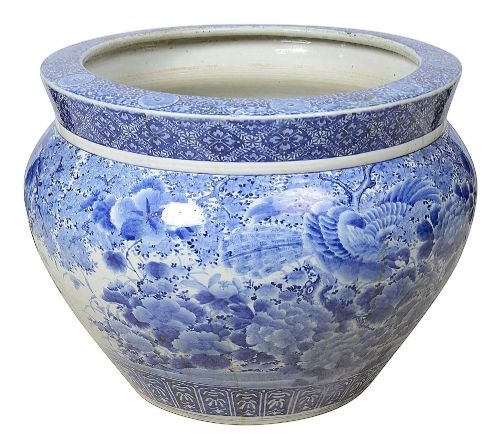
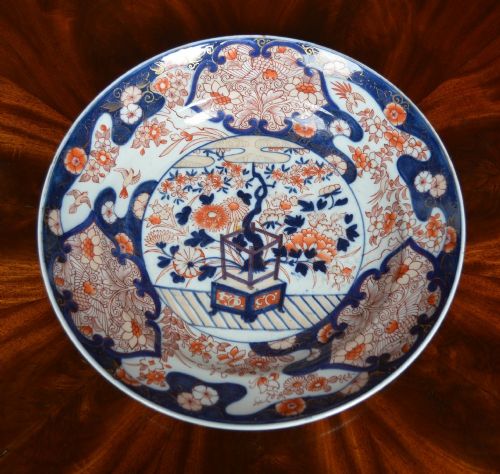
A japanese floral ceramic bowl encompasses forms ranging from large Imari centrepieces and jardiniere planters to delicate Satsuma and Kutani vessels. These pieces emerge primarily from the nineteenth century and the Meiji period, alongside earlier eighteenth century examples.
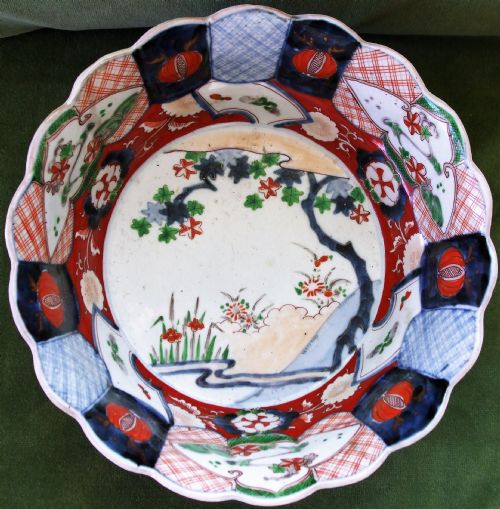
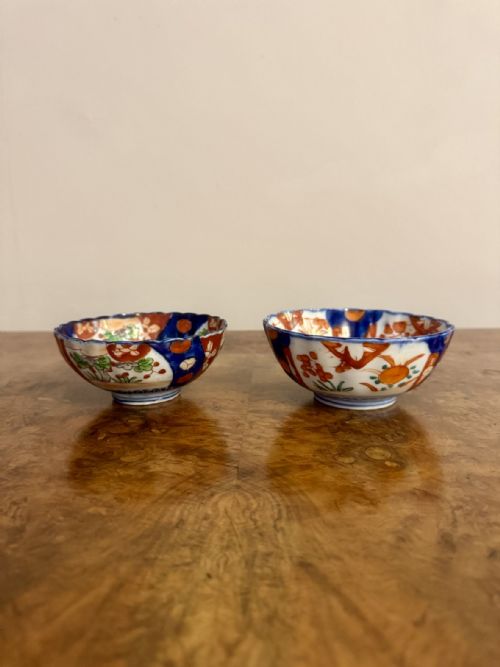
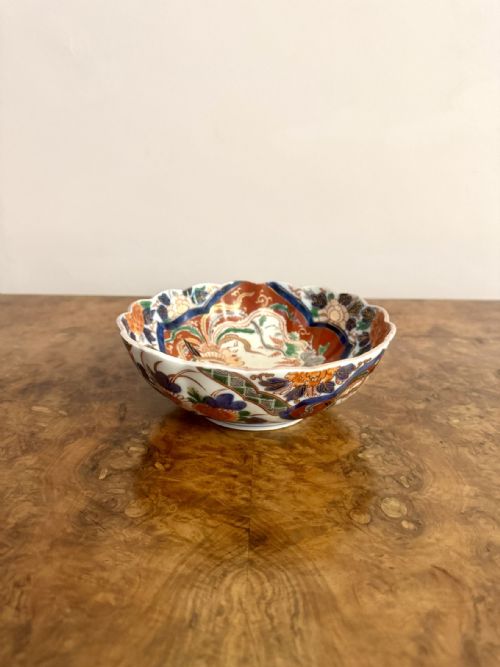
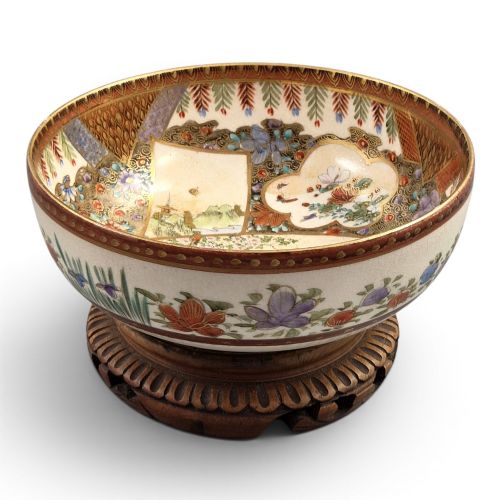
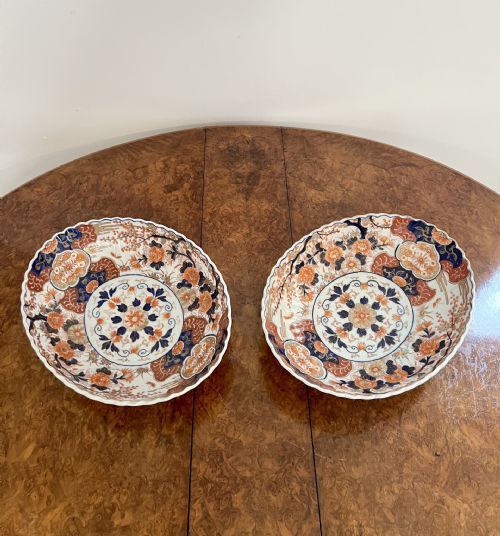
Buyers will most frequently encounter Japanese Imari porcelain bowls featuring scallop edges, fluted rims, and traditional blue and white or polychrome decoration. Satsuma ware bowls painted with flowers, birds, and thousand flowers motifs also appear across the selection.
How they were made
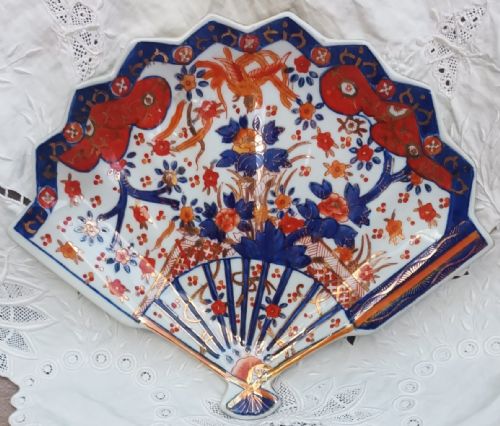
Potters shaped ceramic, earthenware, and porcelain bodies into bowls, dishes, and tripod vessels before applying detailed glazes and hand-painted pigments. Artisans utilised gold leaf, gilding, and enamel to accent floral patterns and intricate border designs.
Many of these pieces bear signatures from notable makers or workshops, reflecting the precise hand-painted techniques characteristic of Meiji period production and earlier traditions.
One exceptional listing includes a shaving bowl from the seventeen hundreds, proving that even morning routines once involved fine Japanese ceramics.
What varies in quality
The sophistication of the hand painting and the precision of the enamel work distinguish finer bowls from simpler production. Crisp execution in the floral motifs and well-defined gilding indicate superior craftsmanship.
The presence of artist signatures, distinct kiln marks, and intact historical glazes elevate certain pieces above standard decorative wares. Form also plays a role, with unusual hexagonal shapes and scalloped edges adding distinct character.
Kozan·Ryuzan·Nikko·Shozo
The Japanese Floral Ceramic Bowl Glossary
- Imari
- A style of Japanese porcelain decorated in underglaze blue, iron red, and gold, highly popular for export during the Edo and Meiji periods.
- Satsuma
- An earthenware ceramic with a pale, ivory-crackled glaze, typically decorated with polychrome enamels and rich gilding depicting floral scenes.
- Kutani
- A traditional style of Japanese coloured porcelain known for vibrant pictorial designs and expressive hand-painted details.
- Meiji Period
- The era in Japanese history spanning from 1868 to 1912, marked by a flourishing of decorative arts for international markets.
- Jardiniere
- A large ornamental ceramic bowl or pot designed to hold live plants or floral arrangements.
Japanese Floral Ceramic Bowl: Frequently Asked Questions
How do I identify a Meiji period bowl?
Meiji period bowls often feature dense hand-painted enamel decoration, elaborate gilding, and specific artist signatures on the base. They reflect the artistic output of Japan between eighteen sixty-eight and nineteen twelve.
Examinations of the ceramic body and glaze characteristics help distinguish these pieces from later reproductions or earlier Edo period wares.
What is the difference between Imari and Satsuma?
Imari pieces are typically hard porcelain decorated in striking combinations of underglaze blue, iron red, and gold leaf. They present crisp, resonant ceramic bodies with bold geometric and floral patterns.
Satsuma ware utilises earthenware with an ivory crackle-glaze, serving as a canvas for finely detailed paintings of birds, flowers, and thousand-flower motifs.
Can I display these antique bowls safely?
Antique ceramic and porcelain bowls suit display on sturdy surfaces away from high-traffic areas or vibrations. Using appropriate stands protects scalloped edges and delicate tripod feet from accidental knocks.
Gentle dusting with a soft, dry cloth preserves the fragile enamel and gold leaf decorations without risking moisture damage to historical glazes.