
Japanese Figure Sculpture
These Japanese figure sculpture pieces range from bronze okimono to porcelain deities, offering collectors exquisite craftsmanship and distinct cultural character.
Japanese Figure Sculpture
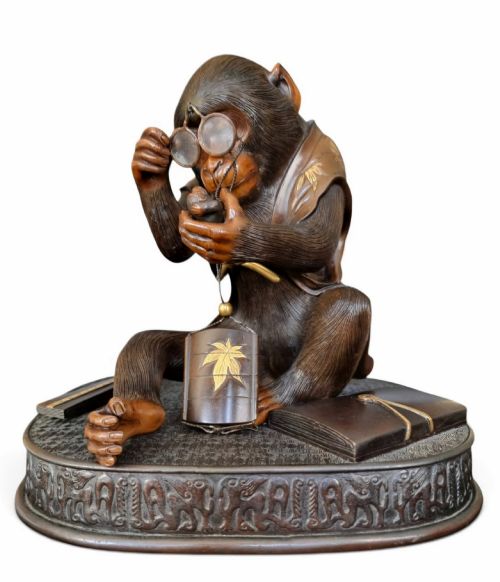
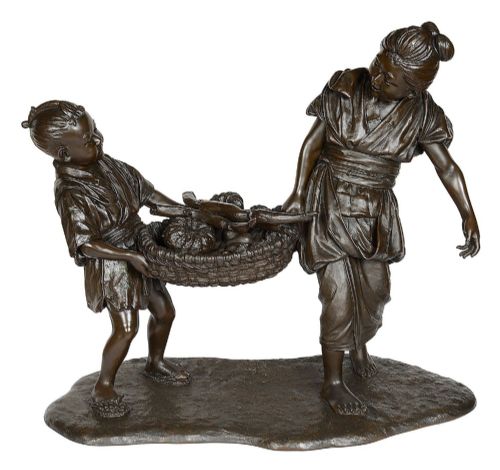
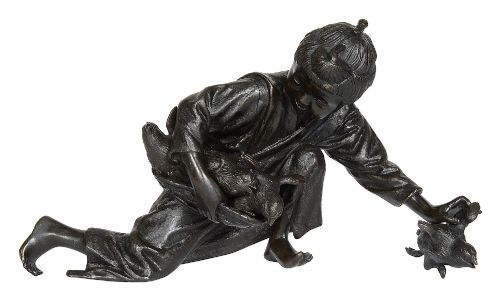
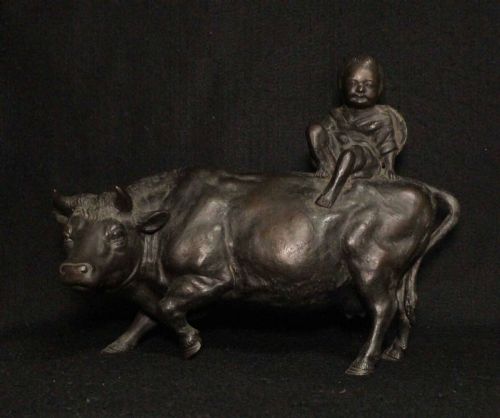
A Japanese figure sculpture encompasses a wide variety of forms, including okimono, netsuke, and standalone decorative figures depicting animals, deities, and humans. These pieces often originate from the Meiji and Taisho periods, reflecting traditional craftsmanship and subject matter.
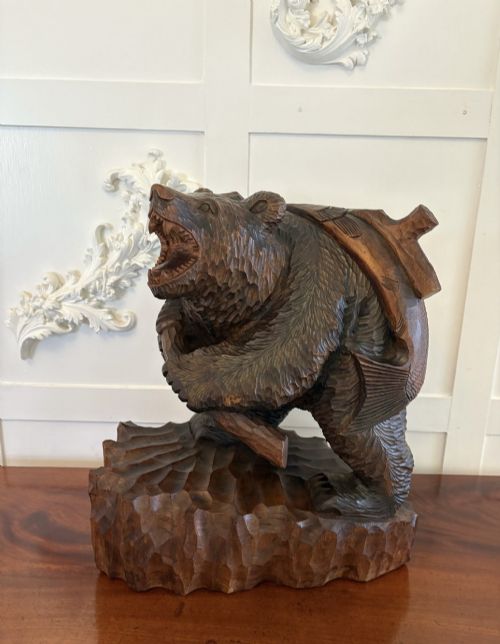
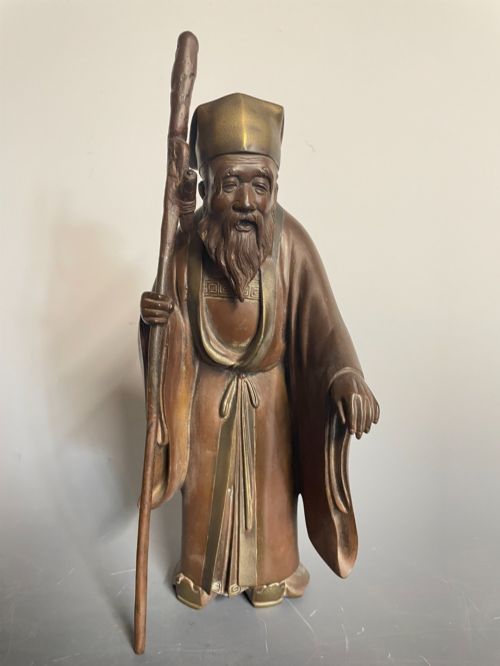
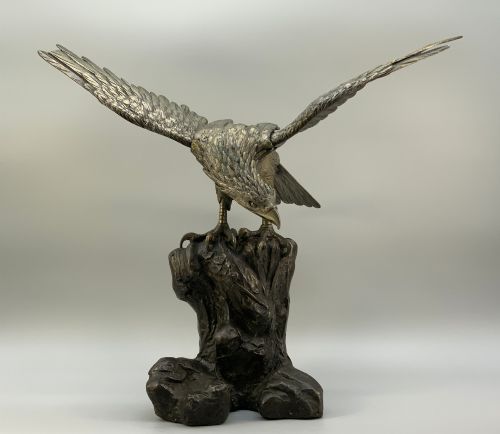
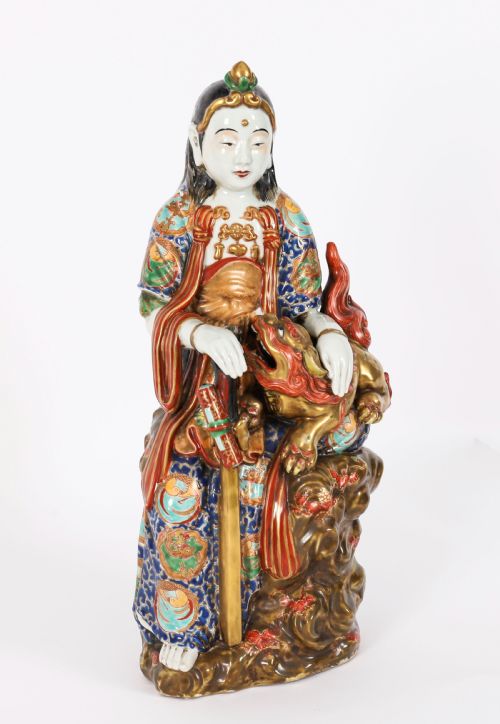
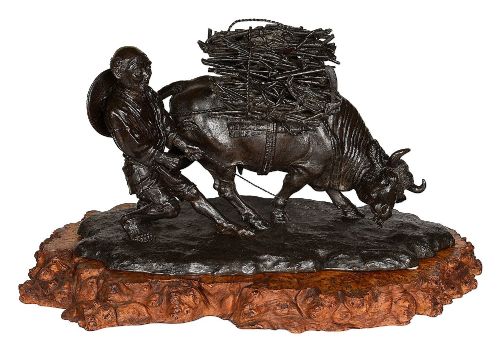
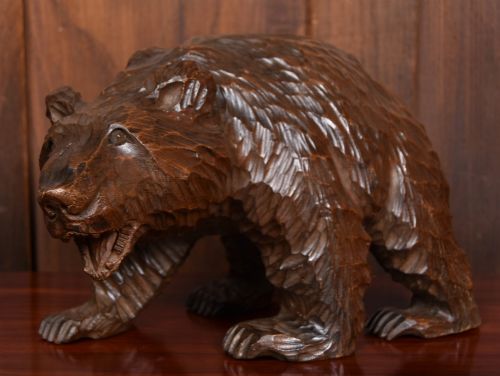
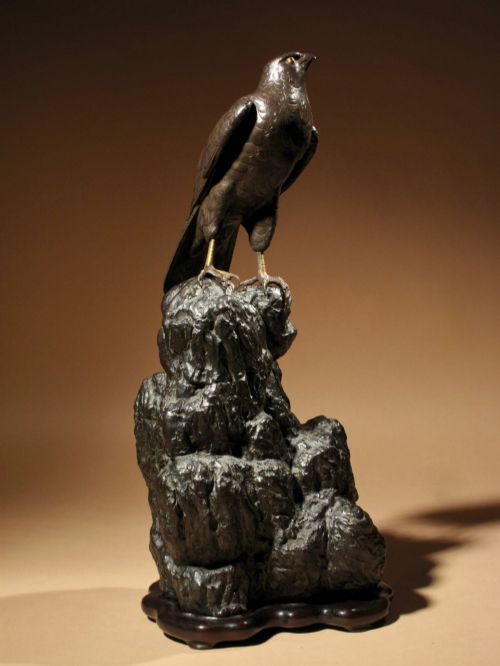
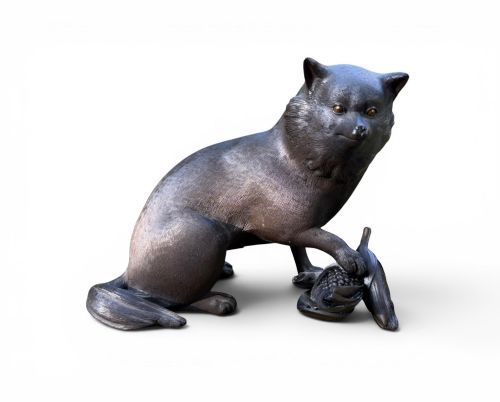
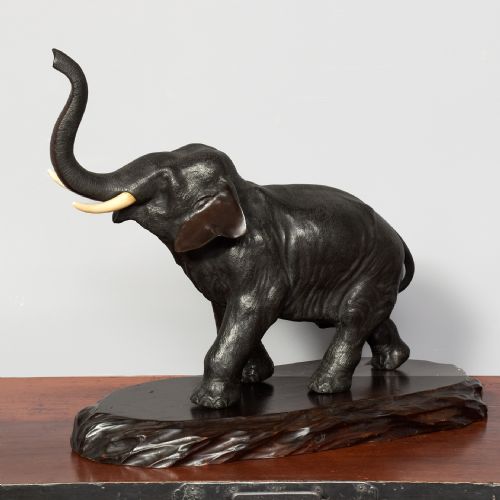
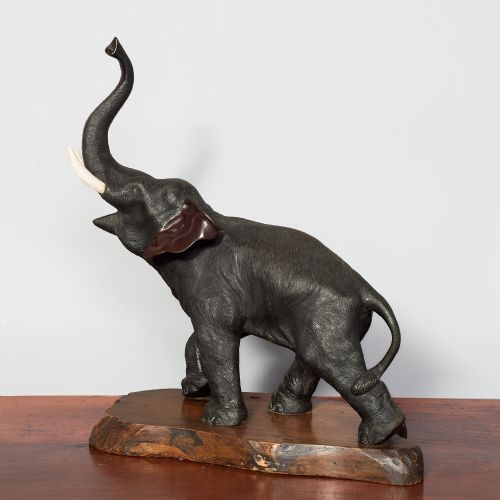
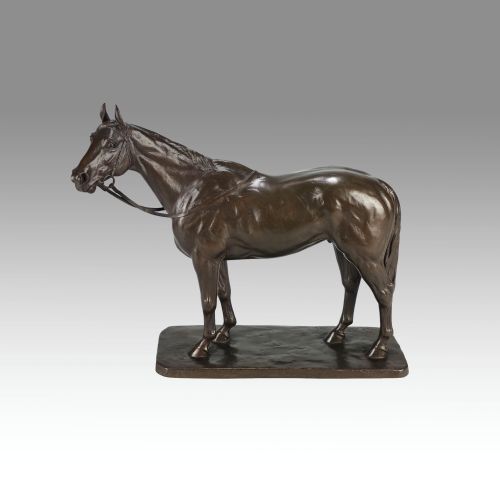
Bronze is the predominant medium for these works, capturing intricate details of animals such as elephants, horses, and bears, as well as mythical figures and demons. Porcelain figures, notably from Kutani and Satsuma, also appear frequently, often portraying revered deities like Kannon or Daruma.
Buyers encounter diverse styles ranging from naturalistic representations of wildlife to stylised folk art and mixed-metal compositions. The selection on this page demonstrates the rich breadth of sculptural output from late nineteenth and early twentieth century Japan.
Measures of quality
The degree of anatomical precision and naturalism in animal and human subjects distinguishes superior examples from standard production pieces. Master casters and carvers achieved a lifelike tension in musculature and posture, whereas lesser works appear stiff and generalised.
The subtlety and durability of the bronze patina or the precision of enamel and gold leaf application indicate the skill of the workshop. Signed pieces by recorded makers demonstrate documented artistic intent and higher standards of finishing.
Complexity of composition, such as multi-figure groups or articulated elements, demands advanced technical mastery. Simpler, mass-produced decorative objects contrast with ambitious sculptural works that required extensive labour and specialised expertise.
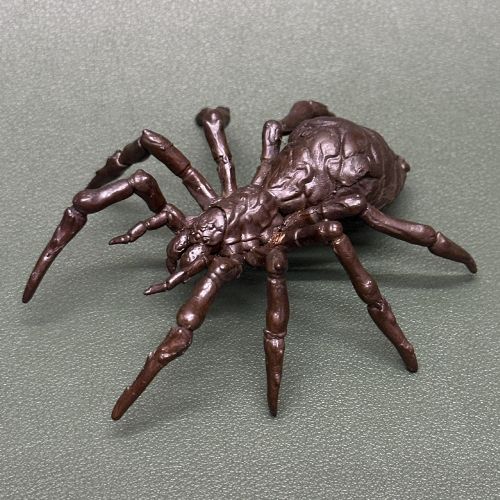
Several bronze beetles, spiders, and centipedes demonstrate that Meiji artisans found beauty in even the most uninvited garden guests.
Kunio Itô·Tsunemitsu·Kaniya Kuniharu·Tomochika·Sakai Kōzan
The Japanese Figure Sculpture Glossary
- Okimono
- A standalone Japanese display object intended for interior decoration. These carvings and castings typically sit on tokonoma shelves or cabinets.
- Netsuke
- A small carved toggle fastened to the end of a cord attached to a small container worn on kimono sashes. They frequently depict animals, humans, and mythological subjects.
- Kutani
- A style of Japanese porcelain known for vibrant overglaze enamel colours and intricate patterns. These wares often feature figurative representations of deities and historical personages.
- Satsuma
- A type of Japanese earthenware featuring a pale, ivory-crackled glaze decorated with polychrome enamels and gold. Satsuma figures commonly represent immortals, scholars, and dignitaries.
- Meiji Period
- The era of Japanese history spanning from 1868 to 1912, characterised by the opening of trade with the West and a flourishing of decorative arts for export.
Japanese Figure Sculpture: Frequently Asked Questions
How do I care for bronze sculptures?
Bronze sculptures require minimal intervention to preserve their historic patinas. Gentle dusting with a soft, dry cloth prevents the accumulation of particulate matter.
Avoid applying polishes, oils, or modern cleaners, as these substances can chemically alter the original surface finish and damage the metal over time.
How can I identify the Meiji period?
The Meiji period spans from 1868 to 1912, coinciding with Japan's rapid modernisation and the opening of international trade markets. Sculptures from this era often exhibit a high degree of technical mastery driven by the demands of Western collectors.
Signatures, artist marks, and foundry stamps frequently appear on the underside or back of these pieces, helping to anchor them within this historical timeframe.
What subjects are common in these sculptures?
Animal subjects appear frequently, ranging from native wildlife like bears and eagles to exotic creatures such as elephants and tigers. Artisans also depicted mythological beasts, demons, and deities from Buddhist and Shinto traditions.
Human figures often represent traditional occupations, historic scholars, or legendary immortals, capturing narrative moments from Japanese folklore and daily life.