

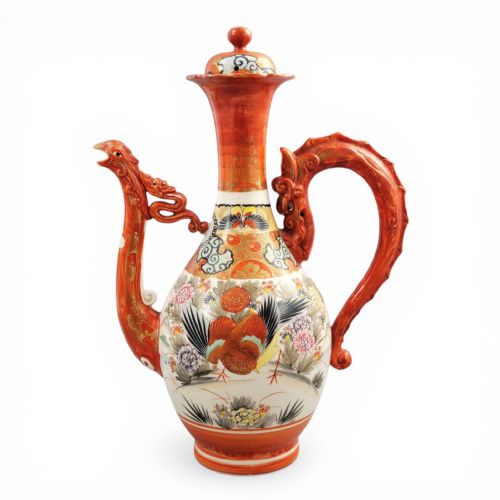


Japanese Export Porcelain Vase
A japanese export porcelain vase brings hand-painted colour and historical depth into a room, spanning periods from the Edo era to the twentieth century.
Japanese Export Porcelain Vase
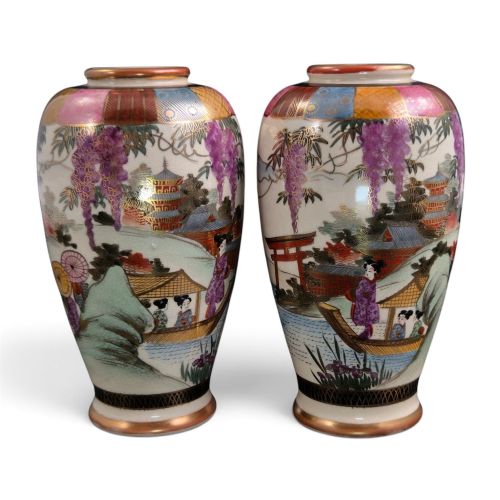
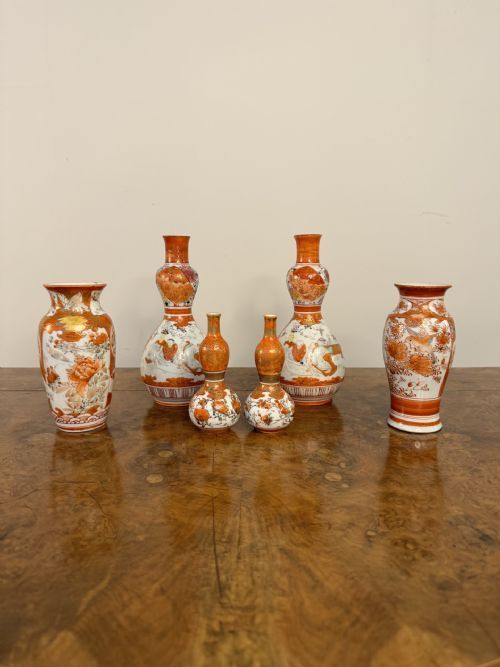
A Japanese export porcelain vase represents centuries of ceramic tradition created for international markets, encompassing everything from blue and white Arita vessels to intricate Satsuma and Kutani pieces. The selections here range from seventeenth-century Edo period designs to nineteenth-century Meiji examples and later Edwardian pairs.
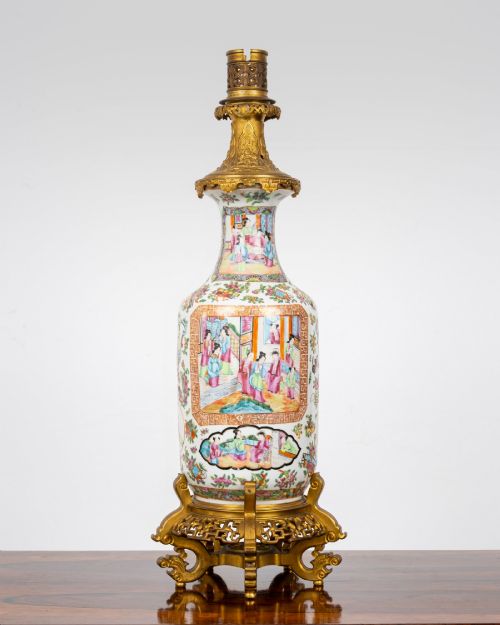
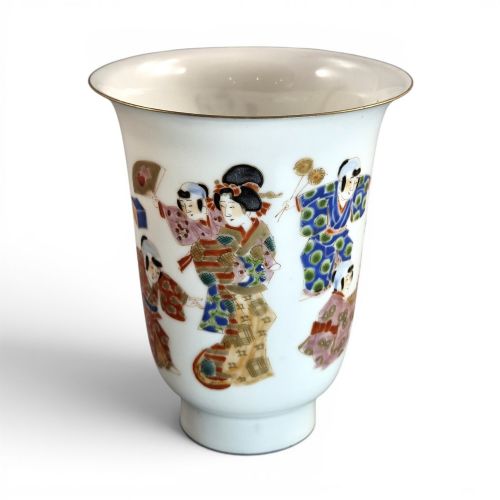
Buyers frequently encounter robust Imari palettes, vibrant enamel decorations, and eggshell porcelain bodies shaped as ewers, table lamps, and shaped vases. These objects reflect both early trade routes and later exhibition pieces destined for Western interiors.
Materials and technique
Potters shaped fine clay into vessels before applying cobalt blue underglaze or rich overglaze enamels, often finishing the surfaces with gold leaf and detailed gilding. Many examples incorporate intricate hand-painted motifs depicting landscapes, flora, and fauna.
Specialised techniques such as eggshell porcelain production required exceptional skill to achieve thin, translucent walls, while Satsuma pieces utilised earthenware bodies finished with fine crackle glazes.
Some nineteenth-century dragons possess fiercely painted expressions yet delightfully dainty phoenix spouts.
Judging execution and finish
Quality rests in the precision of the hand-painting, the clarity of the glaze, and the richness of the gilding applied across the surface. Finer pieces display disciplined brushwork and well-balanced compositions that remain crisp even on complex forms.
The weight of the porcelain, the stability of mounts, and the preservation of delicate enamel work distinguish standard production items from exhibition-quality pieces created by skilled workshops.
Hichozan Shinpo·Hattori·Hododa·Fukagawa
The Japanese Export Porcelain Vase Glossary
- Imari
- A style of Japanese porcelain decorated in underglaze blue, iron red, and gold, originating in Arita and widely exported to Europe. This palette remained popular across multiple centuries.
- Satsuma
- A type of Japanese earthenware featuring a pale, ivory-coloured crackle glaze, typically decorated with polychrome enamels and gilding. These pieces were frequently produced for Western export during the Meiji period.
- Kutani
- Japanese porcelain characterised by strong coloured enamels, often dominated by greens, blues, yellows, and purples. The style developed distinct regional variations during the nineteenth century.
- Arita
- The Japanese town where porcelain production began in the early seventeenth century after the discovery of suitable clay. Arita wares formed the backbone of early Japanese ceramic exports.
- Meiji Period
- The era of Japanese history lasting from 1868 to 1912, noted for a surge in decorative arts produced for international exhibition and trade. Pieces from this time often display ambitious scale and detailed ornamentation.
Japanese Export Porcelain Vase: Frequently Asked Questions
How do I date a Japanese export vase?
Dating relies on stylistic clues, historical periods such as the Edo or Meiji eras, and specific material characteristics like glaze types and potting techniques. Reference points include the transition from seventeenth-century Arita blue and white wares to nineteenth-century polychrome enamels.
Examining the base, potting weight, and decorative motifs helps narrow down the decade of production. Comparative examples from documented exhibitions provide further chronological context.
What is the difference between Imari and Satsuma?
Imari pieces are hard-paste porcelain decorated primarily in underglaze blue, iron red, and gilt highlights. They tend to have a ringing tone when tapped and durable glazed surfaces.
Satsuma pieces are actually earthenware with a characteristic soft, ivory-coloured glaze covered in fine crackle lines. They are painted with elaborate enamels and gold leaf rather than traditional ceramic underglazes.
How should I display antique porcelain vases?
Place vases on stable, level surfaces away from direct sunlight and heavy foot traffic to protect fragile enamel and gilding work. Avoid enclosed spaces with extreme temperature fluctuations that might stress older ceramic bodies.
Larger floor or table pairs benefit from positions where their full silhouette and painted panels remain visible from multiple angles.
Are these vases suitable for everyday use?
Antique porcelain and earthenware demand careful handling due to their age and delicate surface decoration. Most serve best as decorative display pieces rather than functional containers for water.
Cleaning requires only a soft, dry cloth to remove dust, avoiding harsh chemical cleaners that can damage historical glazes and gold leaf.