


Japanese Display Urn
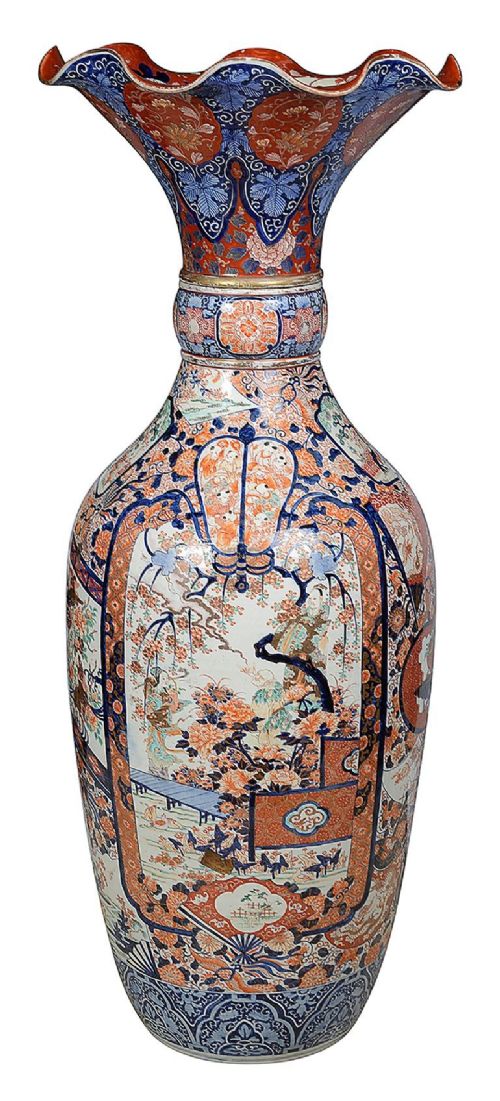
These Japanese display urn pieces, spanning Imari, Satsuma and Kutani wares, bring dramatic scale and intricate hand-painted detail into a room.
Japanese Display Urn
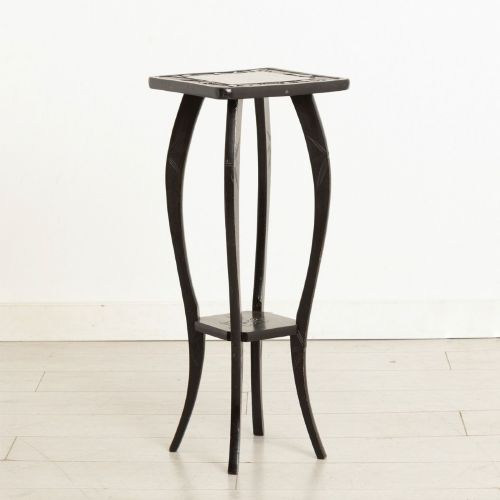
A japanese display urn search covers large floor vases, lidded ginger jars and decorative vessels intended for prominent placement in a room. Many examples date from the nineteenth century, including the Meiji period and Victorian eras, alongside associated plant stands and pedestals.
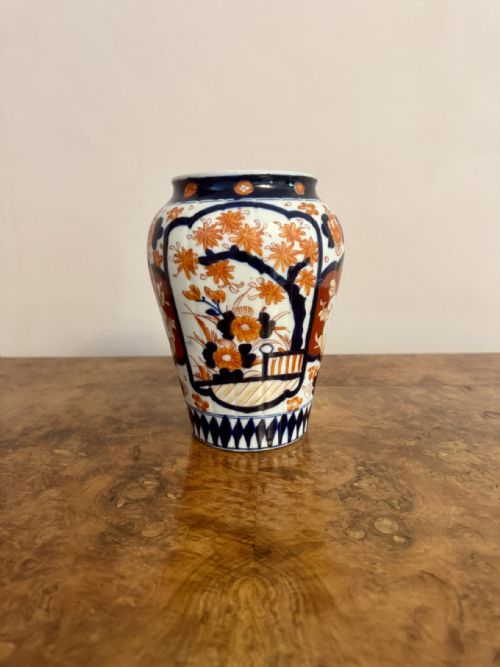
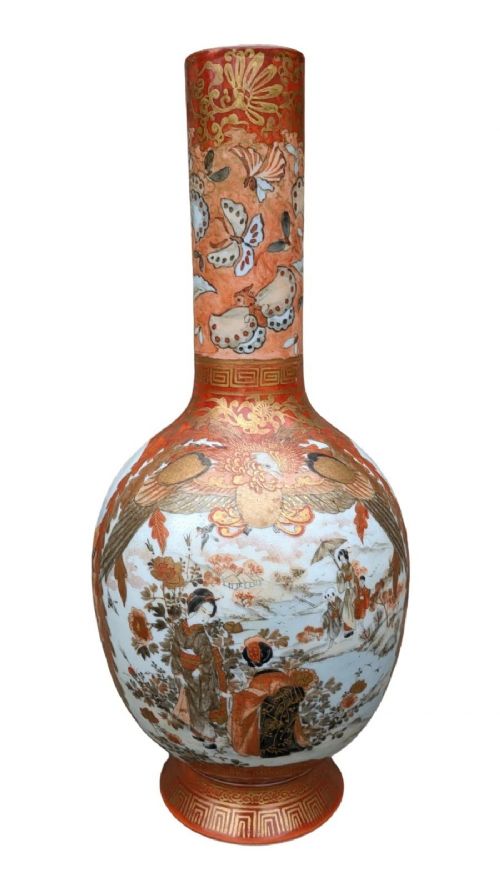
The objects take several distinct ceramic forms, from monumental Imari jars with cobalt and iron-red palettes to finely crackled Satsuma earthenware painted with court figures. Makers also produced bronze vessels and porcelain pieces paired with carved hardwood stands.
Buyers encounter everything from miniature cabinet items to towering floor-standing vases exceeding four feet in height. These decorative vessels function as focal points in a traditional or eclectic interior scheme.
Materials and construction methods
Potters shaped porcelain and earthenware bodies on the wheel or in moulds before applying underglaze cobalt blue, rich enamel colours and raised moriage decoration. Artisans often added heavy gold leaf and gilt accents by hand to accentuate figural panels and floral motifs.
Complementary display furniture relies on traditional joinery in hardwoods, frequently incorporating inset marble tops or intricate hand-carved detailing. Bronze examples utilise traditional metal casting techniques finished with patination.
Listings feature nineteen-century pieces alongside Victorian and Edwardian examples, spanning porcelain, earthenware and bronze.
Distinguishing quality across examples
Superior pieces display exceptional precision in hand-painted detail, particularly in complex figural processions, facial expressions and minute patterning. The depth and application of heavy gilding and raised enamel work separate standard production from exhibition-grade pieces.
The ambition of the form dictates distinction, with monumental floor-standing vessels and matched garniture sets commanding greater presence than single cabinet vases. Signed works from notable kilns and workshops demonstrate higher standards of artistic execution.
Liberty of London·Chosei Mark·Seiko-en Chokei·Hododa·Kinrin Workshop·Kinkozan
The Japanese Display Urn Glossary
- Imari
- A traditional Japanese porcelain style featuring a distinctive palette of underglaze blue, iron-red and gilt highlights. These wares were produced primarily in Arita and exported in quantity to Europe.
- Satsuma
- An earthenware ceramic type characterised by a fine, ivory-coloured crackle glaze acting as a canvas for elaborate polychrome and gilt decoration. Production flourished particularly during the Meiji period.
- Moriage
- A decorative ceramic technique using piped slip or enamel to create raised, three-dimensional patterns on the surface of a vessel. This method adds tactile depth to floral and figural designs.
- Kutani
- A style of Japanese porcelain and pottery known for bold, vibrant overglaze enamel colours, often incorporating greens, yellows and purples alongside dense geometric or pictorial scenes.
- Mon
- A traditional Japanese heraldic crest or badge used to identify families, clans or institutions. These symbols frequently appear on high-status Satsuma and Imari pieces.
Japanese Display Urn: Frequently Asked Questions
How do I identify Satsuma ware?
Satsuma ware is characterised by its distinctive cream or ivory-coloured earthenware body covered in a fine network of transparent crackle glaze. Artisans painted these surfaces by hand using rich polychrome enamels and extensive gold leaf, frequently depicting human figures, landscapes or dense floral arrangements.
Unlike hard-paste porcelain, Satsuma pottery has a softer, porous earthenware base. It gained immense popularity during the Meiji period, leading to both everyday decorative pieces and highly elaborate exhibition-quality works.
Where should I place a large floor vase?
Large floor vases and monumental urns require positions where their scale can be appreciated without obstructing daily movement. Corners of reception rooms, entrance hallways or wide landings provide stable settings that showcase their height and decorative panels.
Pairing a ceramic vessel with a matching antique hardwood stand or marble-topped pedestal lifts the piece further and protects the base. Ensure the surrounding floor space is clear so the form stands as a distinct focal point in the interior.
What is the difference between Imari and Kutani?
Imari porcelain relies on a tripartite colour scheme of underglaze cobalt blue, iron-red enamel and supplementary gold gilt, usually applied over dense floral and brocade patterns. The ceramic body is true porcelain, fired to a high temperature for durability and resonance.
Kutani ware utilises a broader and more vibrant palette of overglaze enamels, notably rich greens, yellows and purples, often featuring pictorial panels of warriors or landscapes. While both styles originated in Japan for export, their visual weight and pigment application differ markedly.
How do I care for antique ceramic urns?
Antique ceramics and bronzes require gentle handling and placement away from direct sunlight or sudden temperature fluctuations. Dust the surface regularly with a soft, dry brush or microfibre cloth to prevent particulate buildup in recessed areas or intricate moriage work.
Avoid using liquid cleaners, chemical solvents or abrasive cloths, which can damage delicate overglaze enamels and gold leaf. If the vessel has a separate wooden stand, treat the wood independently with appropriate traditional waxes according to its finish.