







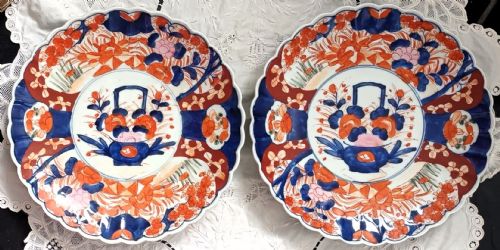
Japanese Decorative Charger Dish
A japanese decorative charger dish brings vibrant Meiji period artistry and striking ceramic or metalwork into a room.
Japanese Decorative Charger Dish
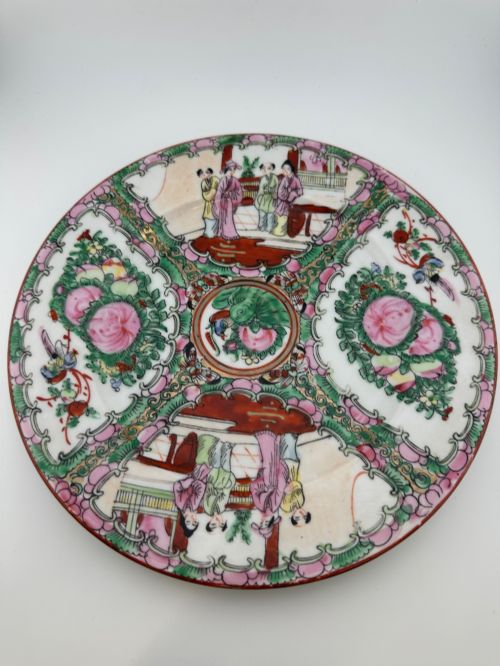
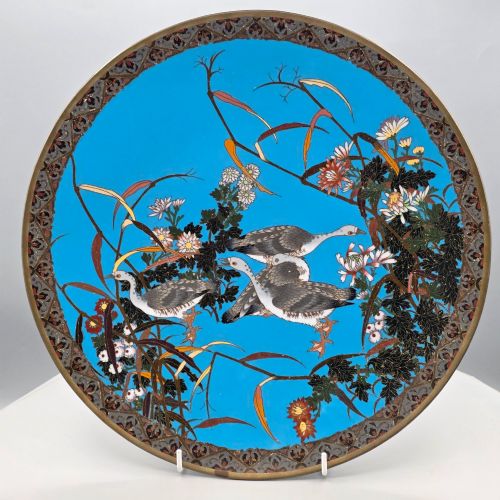
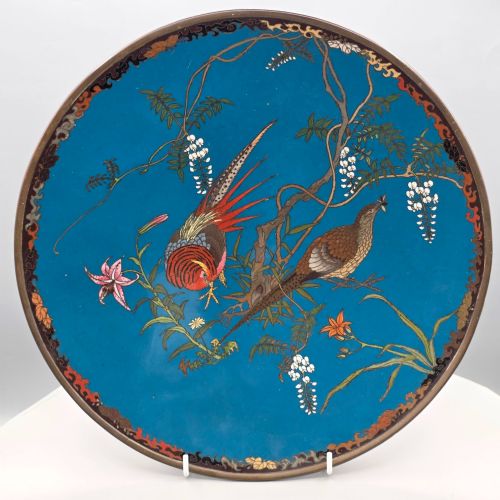
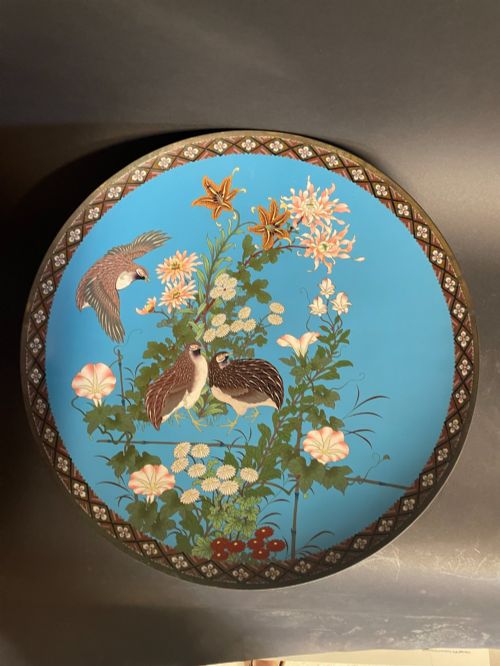
When you search for a japanese decorative charger dish, you encounter large display plates and shallow bowls originating primarily from the nineteenth and early twentieth centuries. These substantial vessels were created chiefly for visual display rather than dining, showcasing the meticulous craft traditions of Japanese makers from the Meiji and Taisho periods.
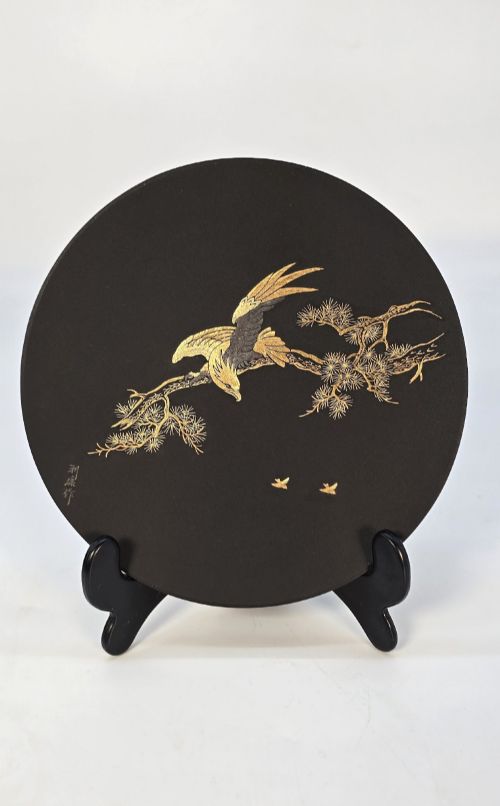
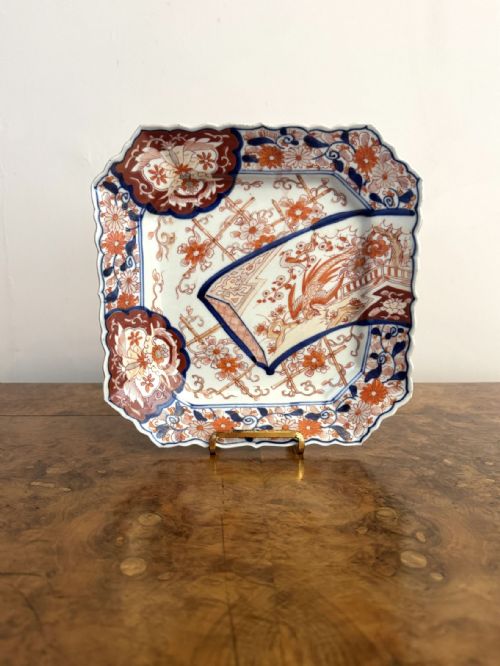
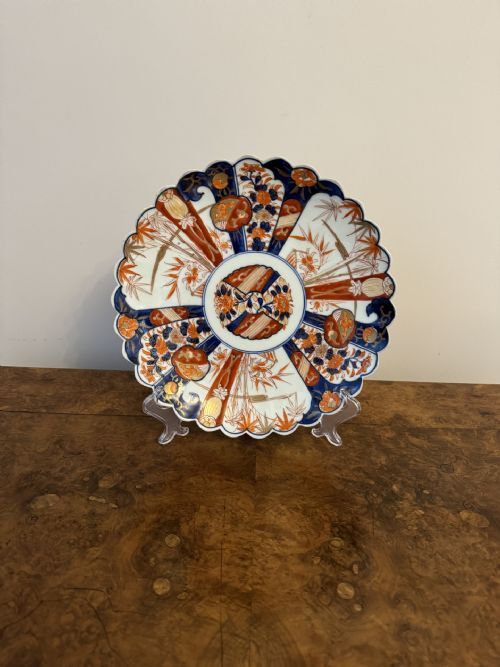
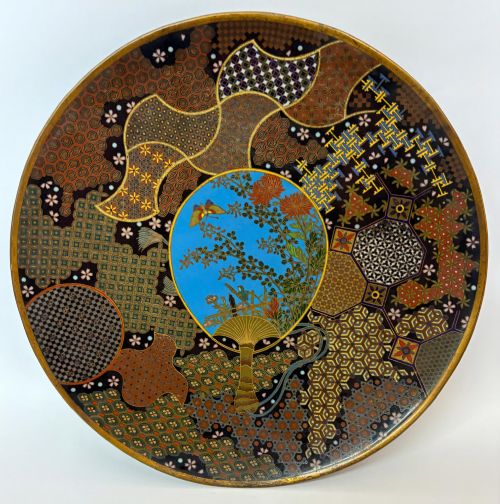
The selections available here lean heavily toward traditional Japanese Imari porcelain with blue and white or polychrome palettes, alongside intricately detailed cloisonne enamel copper pieces. You will also discover Satsuma earthenware, Kutani porcelain, and patinated metal plaques featuring gold and silver inlay.
Most examples date from the late nineteenth century, reflecting a peak era of artistic export and domestic production. Forms range from standard circular chargers and scalloped plates to square trays and large decorative bowls.
Materials and construction methods
Porcelain pieces utilise high-fired clay bodies painted by hand under or over the glaze, frequently combining cobalt blue with iron red and gold leaf highlights. Cloisonne enamel items employ thin metal wires soldered to a copper or brass base to form cellular compartments, which are then filled with coloured vitreous pastes and fired.
Metalwork plaques rely on iron or bronze foundations shaped into rigid panels, then enriched through patination and metal inlay using gold and silver. Earthenware variations such as Satsuma employ intricate moriage raised enamel relief work over a cream craquelure glaze.
Several Meiji period chargers feature surprisingly fierce frogs and leaping koi holding their own among majestic dragons and phoenixes.
Distinctions in execution and design
The highest tier of a japanese decorative charger dish displays exceptional precision in the brushwork or wire placement, where complex motifs like dragons, birds, and landscapes achieve remarkable clarity. Lesser examples exhibit coarser enamel fills, simpler repeating patterns, or less refined base ceramic bodies.
Signatures by recognised workshops or individual artists often elevate a piece, as do unusual geometric shapes like square trays or intricate scalloped rims. The density and complexity of the decorative scheme, from simple floral sprays to detailed multi-subject animal scenes, directly reflect the ambition of the original maker.
Koshida
The Japanese Decorative Charger Dish Glossary
- Imari
- A style of Japanese porcelain featuring a distinct palette of underglaze blue, iron red, and gilt highlights. It originated in the town of Arita and became widely exported during the Meiji period.
- Cloisonne
- A decorative metalwork technique where thin wire partitions are affixed to a metal base to contain coloured enamel pastes. The object is then fired and polished to a smooth finish.
- Charger
- A large decorative plate or dish intended primarily for display on a wall or sideboard rather than for practical table use. These pieces often measure over thirty centimetres across.
- Satsuma
- A type of Japanese earthenware characterised by a ivory-coloured craquelure glaze decorated with polychrome enamels and gilding. Moriage technique is frequently applied to these surfaces.
- Kutani
- A style of Japanese porcelain known for bold polychrome painted designs, often utilising rich greens, blues, yellows, and purples. Pieces from this tradition frequently depict natural scenes and figures.
Japanese Decorative Charger Dish: Frequently Asked Questions
How were charger dishes displayed?
These large vessels were traditionally stood upright on specialised plate stands or hung securely on walls to showcase their elaborate painted or enamelled surfaces. They served as prominent decorative centerpieces within domestic interiors.
In contemporary settings, they continue to function well on large sideboards, tables, or walls where their intricate patterns can be fully appreciated.
What is the difference between Imari and Kutani?
Imari porcelain typically relies on a distinct combination of deep underglaze blue, rust red, and gold accents arranged in intricate floral or geometric panels. The ceramic body is generally crisp and durable.
Kutani porcelain utilises a broader and more vivid range of enamel colours, often focusing on pictorial scenes involving birds, figures, and landscapes rendered in rich, opaque tones.
How do I identify a Meiji period piece?
Meiji period items, produced between eighteen sixty-eight and nineteen twelve, often bear specific stylistic traits such as hyper-detailed enamelling, naturalistic animal motifs, and precise metal wirework. Many pieces from this era reflect the opening of Japan to Western trade.
Examining the foot ring, glaze characteristics, and any artist signatures on the reverse provides further clues regarding the exact manufacturing decade.
Can these dishes be used for food?
Antique decorative chargers and plates are intended for display and visual appreciation rather than functional dining use. Older glazes and metal components are not suited for modern food service.
Displaying them safely protects the delicate hand-painted pigments, gold leaf, and fragile enamel surfaces from accidental wear or chemical damage.