



Japanese Decorated Urn
These Japanese decorated urn pieces bring together centuries of ceramic and metalwork tradition, offering distinct forms for collectors who appreciate historic craftsmanship.
Japanese Decorated Urn
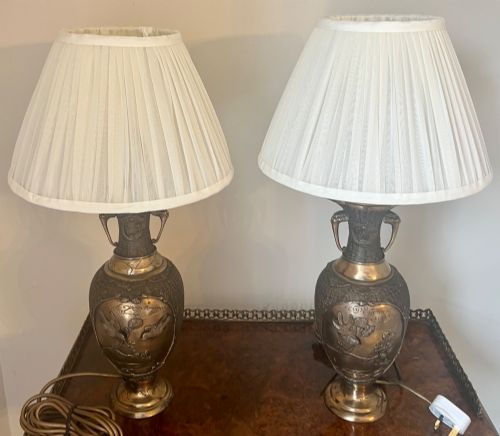
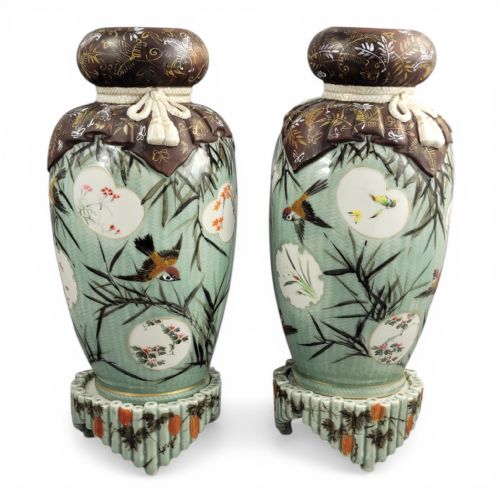
When searching for a japanese decorated urn, buyers encounter a variety of vessel forms including baluster vases, garnitures, jardinieres, and table lamps. These pieces originate from distinct historical eras such as the Edo and Meiji periods, alongside Victorian and Edwardian interpretations.
The selection ranges from robust earthenware and stoneware bodies to refined porcelain and cast bronze, reflecting both traditional domestic manufacture and export production intended for Western interiors.
How they were made
Potters and metalsmiths shaped these objects using porcelain, earthenware, stoneware, bronze, and brass, often combining materials through mixed metal applications. Artisans applied surface decoration using gold leaf, gilt, enamel, and raised moriage techniques.
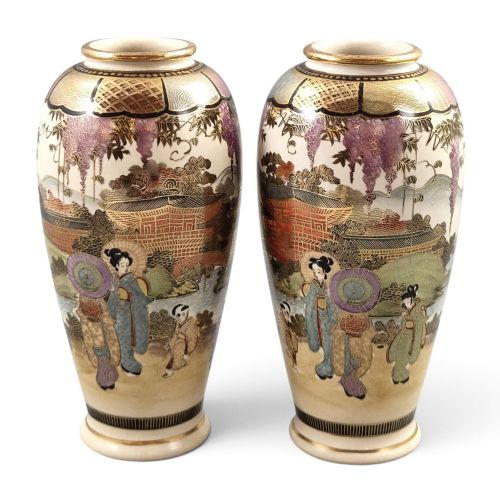
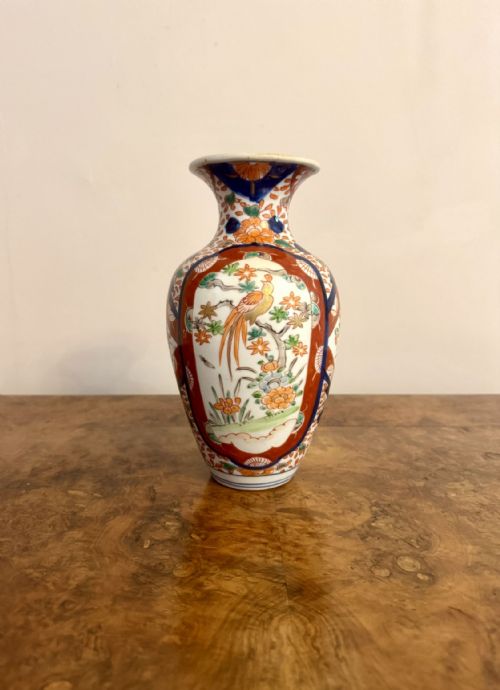
Vessels from the Edo and Meiji periods demonstrate specialised firing methods and pigment application, utilising cobalt and the characteristic Imari palette alongside detailed hand-painted figurative scenes.
Listings feature vessels from the 18th Century, Victorian, Edwardian, and Meiji periods, utilising porcelain, earthenware, bronze, and enamel.
What varies in quality
Quality rests in the precision of the hand-painted details, the clarity of cobalt pigments, and the crispness of moulded or applied moriage and mixed metal elements. Pieces carrying identifiable signatures or workshop marks from makers such as Satsuma producers show superior artistry.
The stability of original stands, the complexity of geometric inset panels, and the preservation of delicate gilding and enamel work distinguish standard production items from monumental or exceptional creations.
Shozan Satsuma·Kato Sanhei·Makuzu Kozan II·Nanzan·Kinkozan·Christopher Dresser
The Japanese Decorated Urn Glossary
- Satsuma
- A type of Japanese earthenware featuring a crackled ivory glaze and elaborate polychrome and gilt decoration. It became prominent during the Meiji period for export markets.
- Imari
- A style of Japanese porcelain decorated in underglaze blue, iron red, and gold. This palette originated in Arita and heavily influenced European ceramic design.
- Moriage
- A decorative technique in Japanese ceramics where slip is piped onto the surface to create raised designs. It frequently appears on Satsuma vases alongside court figures and floral motifs.
- Meiji Period
- The era of Japanese history lasting from 1868 to 1912, characterised by rapid industrialisation and a surge in decorative arts exported to the West.
Japanese Decorated Urn: Frequently Asked Questions
How do I identify a Meiji period piece?
Meiji period vessels typically display detailed hand-painted motifs, complex moriage work, or mixed metal applications reflecting the craftsmanship of late nineteenth and early twentieth century workshops.
Examination of the base often reveals signatures, studio marks, or structural characteristics consistent with export manufacturing standards of that era.
Where were these decorated urns displayed?
In nineteenth century European and British interiors, these decorative vases and garnitures served as prominent mantelpiece ornaments or focal points in reception rooms.
Larger jardinieres and lamp conversions were integrated into domestic spaces to accommodate the Victorian and Edwardian taste for exotic imported wares.
What is the difference between Satsuma and Imari?
Satsuma wares are earthenware pieces known for their characteristic crackled cream glaze and intricate enamel and gilt figure painting.
Imari pieces are hard-paste porcelains originating from Arita, defined by a distinct palette of underglaze cobalt blue, burnt orange, and gold highlights.
How should I clean porcelain and bronze urns?
Dust ceramic and porcelain surfaces gently with a soft, dry cloth to protect delicate overglaze enamels, gold leaf, and raised moriage details from abrasion.
Bronze and mixed metal objects require minimal intervention, avoiding harsh chemical cleaners that might strip historical patination or protective finishes.