


Japanese Bronze Urn Planter
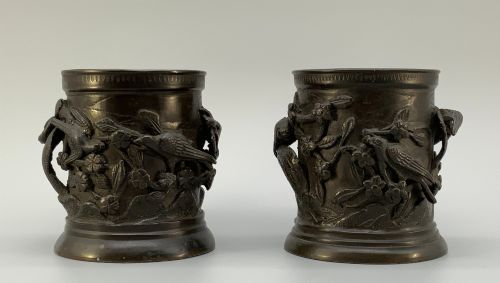
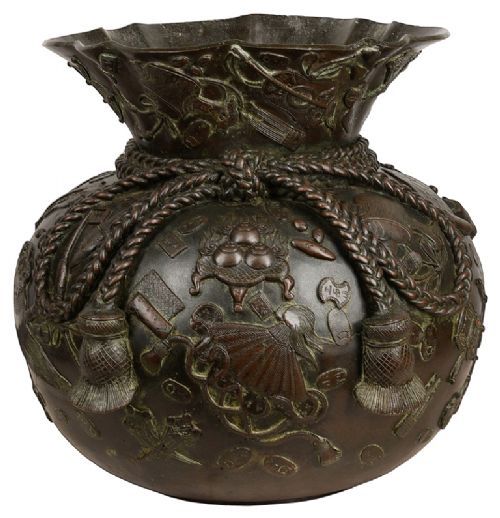
These japanese bronze urn planter pieces are substantial vessels designed to hold plants, bringing heavy metalwork into gardens and interiors.
Japanese Bronze Urn Planter
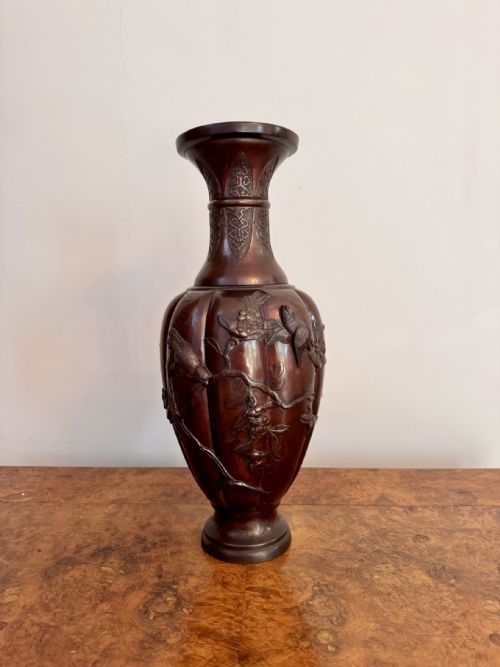
The selection ranges from decorative stem vases to huge pairs of usubata garden urns shaped for floral arrangements. Influences span from traditional Japanese designs to Victorian interpretations and Japonisme styles.
Many examples date across the nineteenth century into the early twentieth century, incorporating porcelain elements like Samson Imari jardiniere forms alongside pure metal structures.
Materials and construction
The primary material is bronze, frequently finished with patinated or verdigris surfaces that create aged green and brown tones on the metal body. Brass, gilt bronze, and enamel also appear across these decorative vessels.
Casting techniques produce heavy walls capable of holding earth and water, while surface decoration utilises birds, blossom motifs, and sculptural elements integrated directly into the bronze.
The inventory combines nineteenth-century Meiji period pieces with Victorian examples, utilising bronze, brass, and enamel.
Factors affecting quality
Quality rests in the crispness of the cast decoration, where fine bird and blossom details remain sharp across large surfaces rather than soft or muddy. Heavier gauge metal and balanced proportions elevate monumental garden temple vases and jardiniere vessels.
The depth and stability of the patina contribute significantly to the visual appeal, distinguishing carefully treated patinated and verdigris bronze surfaces from flat finishes.
The Japanese Bronze Urn Planter Glossary
- Jardiniere
- A large ornamental pot or stand for holding plants or flowers. These vessels form a core category among these metal items.
- Usubata
- A traditional Japanese bronze vase specifically designed for flower arrangements. These pieces often feature distinct tiers or wide mouths.
- Patinated bronze
- Metal treated with chemical solutions to produce a controlled surface colour. This process enhances the visual depth of the vessel.
- Meiji period
- The era of Japanese history spanning from eighteen sixty-eight to nineteen twelve. Most traditional metalwork pieces date from this timeframe.
- Japonisme
- The influence of Japanese art on Western design during the late nineteenth century. This movement shaped many decorative objects produced in that era.
Japanese Bronze Urn Planter: Frequently Asked Questions
What is a jardiniere?
A jardiniere is an ornamental container designed to hold potted plants or cut flowers indoors or outdoors.
These vessels provide a stable base for substantial flora and feature decorative metalwork suited to prominent display.
How are these urns dated?
Dating relies on stylistic markers, casting methods, and historical periods such as the Meiji era or Victorian times.
Examinations of surface patination and decorative motifs help place objects within the nineteenth century.
Can these planters hold live plants?
Many of these metal vessels function well as planters or jardiniere holders for potted greenery.
Care is required to protect interior surfaces from prolonged moisture exposure depending on the metal alloy and liner used.
What is an usubata?
An usubata is a specialised bronze vase format created for traditional Japanese floral art.
These pieces typically incorporate a broad top surface and a structured body designed to support deliberate stem placements.