


Cast Bronze Decorative Urn
A cast bronze decorative urn brings sculptural weight and classical presence to a room, drawing the eye with its rich metallic patina.
Cast Bronze Decorative Urn
A cast bronze decorative urn encompasses substantial vessels, jardinières, and display pieces shaped by metalcasting traditions across centuries. Buyers encounter both European Grand Tour souvenirs and Asian works including Meiji period Japanese vases and Chinese ritual vessels.
Vessels span compact stem vases to large ceremonial containers weighing several kilograms. The predominant formats are pairs of lidded urns, classical ewers, and heavy baluster vases.
Materials and Casting Techniques
Makers utilised traditional bronze casting methods, frequently applying chemical patination or gilding to the finished metallic surface. Gilt bronze and patinated bronze dominate the finishes, creating varied tonal depths from dark brown to bright gold.
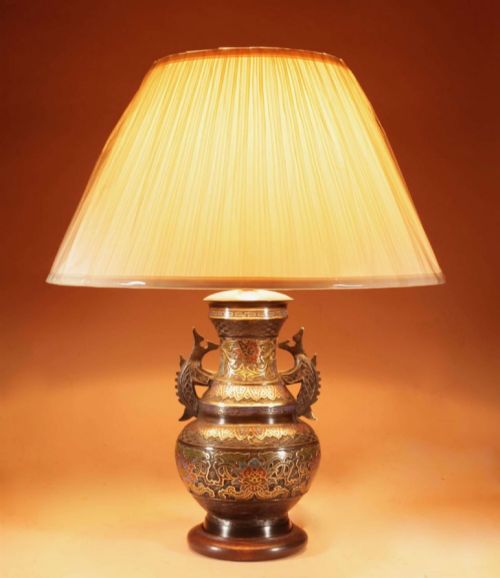
Selected pieces incorporate champlevé enamel work, porcelain inserts, or mixed media such as fabric and wood components. The metal body provides structural rigidity while surface detailing handles intricate ornamental relief.
Materials extend beyond pure bronze to include gilt bronze, brass, enamel, porcelain, fabric, and wood.
Distinctions in Quality
Quality rests on the crispness of the cast relief and the depth of the hand-finishing work. Superior examples exhibit sharply defined ornament, clean removal of casting seams, and deliberate patination that accentuates the sculptural contours.
Heavier gauge metal and integrated handles or mounts cast as a single cohesive unit indicate higher workshop standards. Lesser pieces show softer chased details and simpler surface treatments without nuanced tonal variation.
Barbedienne Paris·Jean Dunand
The Cast Bronze Decorative Urn Glossary
- Patina
- The surface coloration and sheen developed naturally over time or applied chemically by the maker. This oxidation layer protects the underlying metal and adds visual depth.
- Grand Tour
- A cultural journey undertaken by wealthy Europeans in the eighteenth and nineteenth centuries. Souvenirs purchased on these travels often included miniature bronze vases and classical urns.
- Champlevé
- An enamelling technique where troughs or cells are hollowed out in the metal surface and filled with vitreous enamel powder before firing. The resulting coloured areas sit flush with the surrounding bronze partitions.
- Ewer
- A large jug with a wide spout and a decorative handle, historically used for pouring water. Victorian versions served primarily as ornamental vessels displayed on mantelpieces and sideboards.
- Jardiniere
- An ornamental pot or stand designed to hold growing plants or flower arrangements. In bronze pieces, these often feature waterproof liners or heavy basin forms.
Cast Bronze Decorative Urn: Frequently Asked Questions
How were bronze urns displayed historically?
These vessels stood on marble mantelpieces, entrance hall tables, and dedicated pedestals as symbols of classical learning and refined taste. Wealthy collectors arranged them in symmetrical pairs to anchor architectural displays in formal reception rooms.
In domestic settings, they transitioned from functional planters and ewers into pure display art. Their substantial weight made them stable centrepieces for heavy mahogany furniture.
What defines a Grand Tour bronze?
Grand Tour bronzes are nineteenth-century reductions or interpretations of ancient Roman and Greek antiquities. Travellers bought them in Italy as portable monuments to classical civilisation.
These pieces typically display rich dark patination and meticulous casting of architectural motifs or mythological figures. They capture the romantic academic obsession with classical heritage prevalent in the Victorian era.
How do I care for a bronze urn?
Maintain the surface by dusting gently with a dry, soft cloth to prevent particulate accumulation. Avoid chemical polishes that strip the historic patination and expose raw base metal underneath.
Keep the metal away from direct moisture and fluctuating humidity to preserve the stability of the alloy. A light application of microcrystalline wax can protect vulnerable gilt surfaces if handled frequently.
How are Japanese Meiji bronzes distinguished?
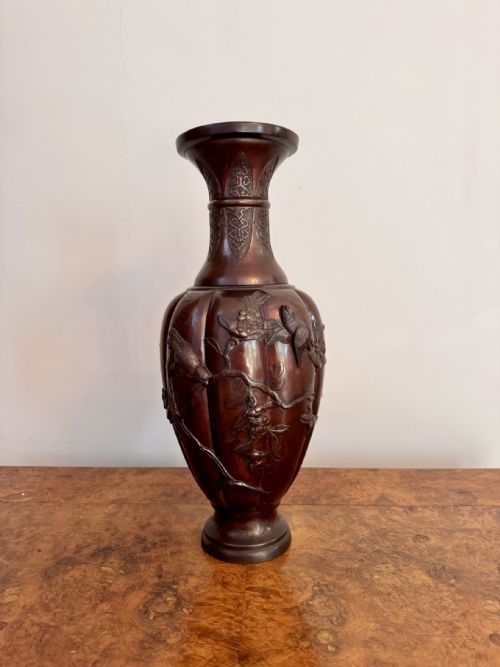
Meiji period bronzes demonstrate extreme metallurgical skill through complex patination, inlaid metals, and high-relief flora and fauna. Japanese metalworkers combined traditional casting with advanced chemical treatments to achieve striking colour contrasts.
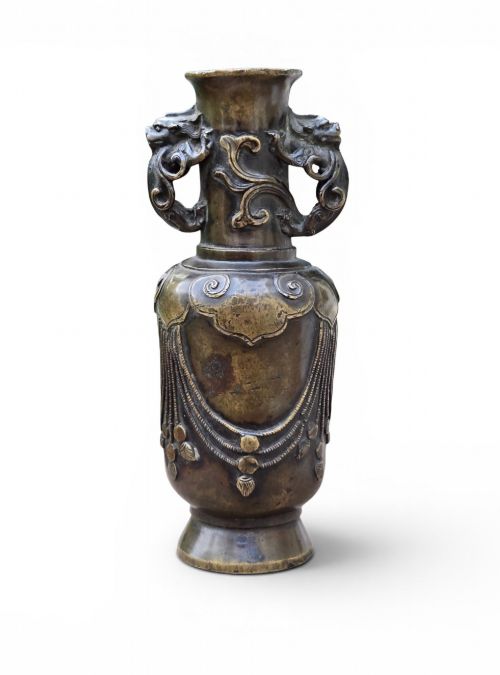
These pieces often feature dragon handles, aquatic motifs, or asymmetrical compositions distinct from European symmetry. Signed bases indicate master workshops operating during a period of intense artistic export.