


Meiji Period Bronze Urns
Meiji period bronze urns are striking Japanese metalwork creations defined by intricate surface decoration and patinated finishes that bring historic craftsmanship into any room.
Meiji Period Bronze Urns
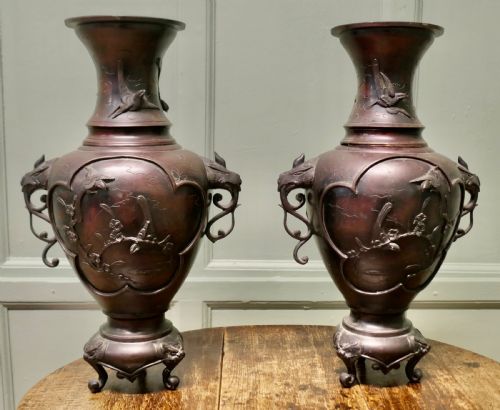
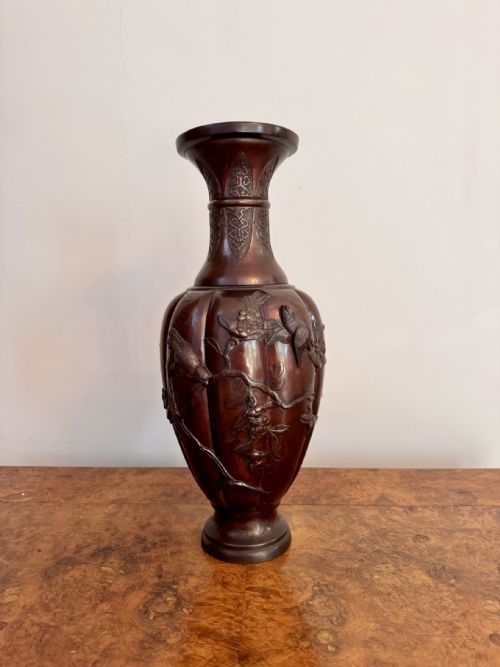
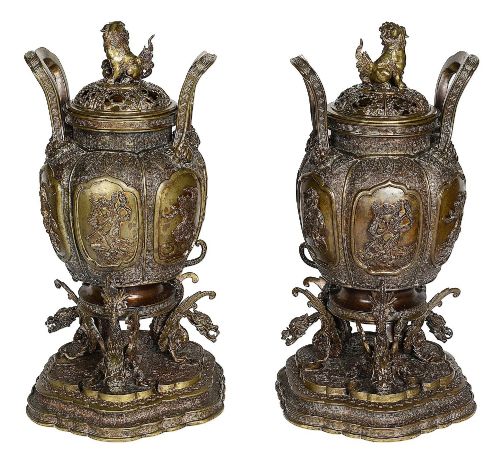
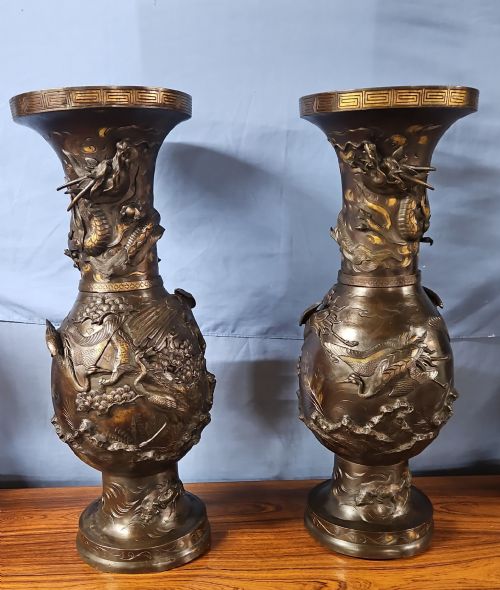
When you search for meiji period bronze urns, you encounter vessels shaped as vases, incense burners, and garden planters originating from Japan during the nineteenth and early twentieth centuries. The items available include lidded urns, baluster forms, and large garden temple vessels designed for display.
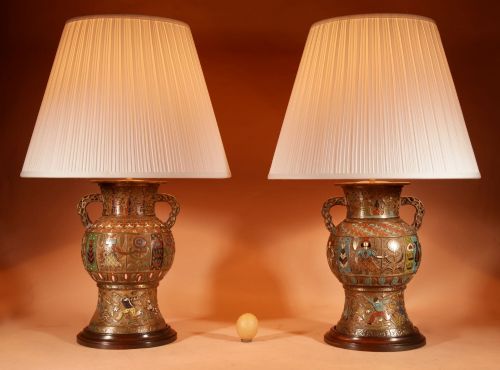
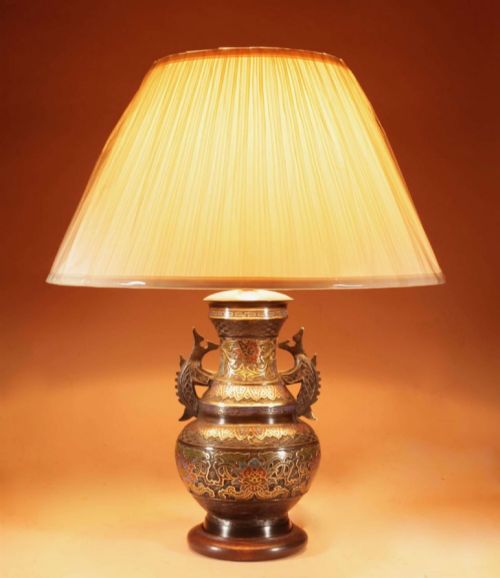
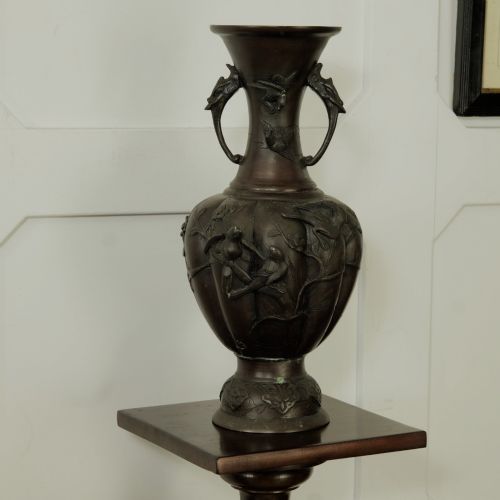
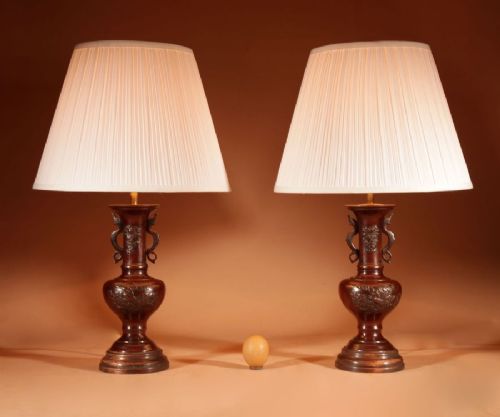
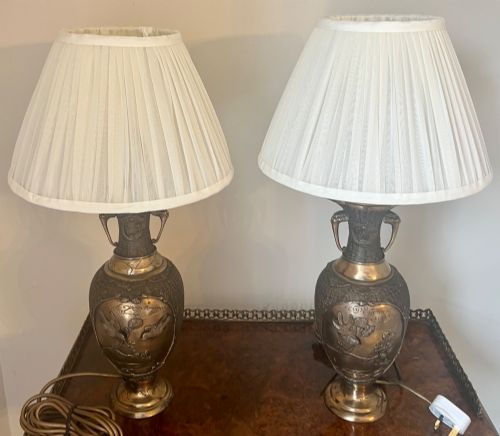
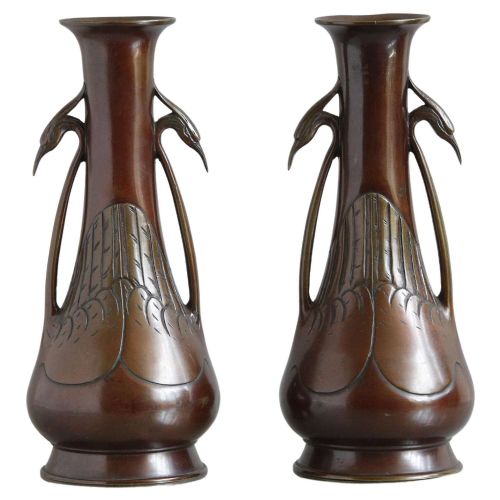
Many examples arrive paired as garniture sets or matching table lamps fitted with fabric shades. The forms reflect Japanese aesthetic traditions, often incorporating handles shaped as birds or dragons alongside raised floral details.
How They Were Made
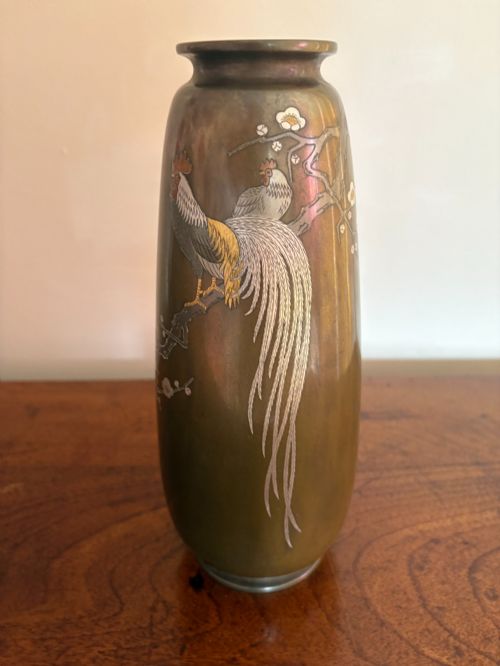
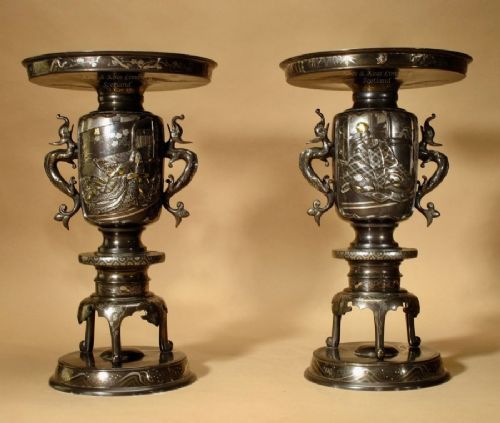
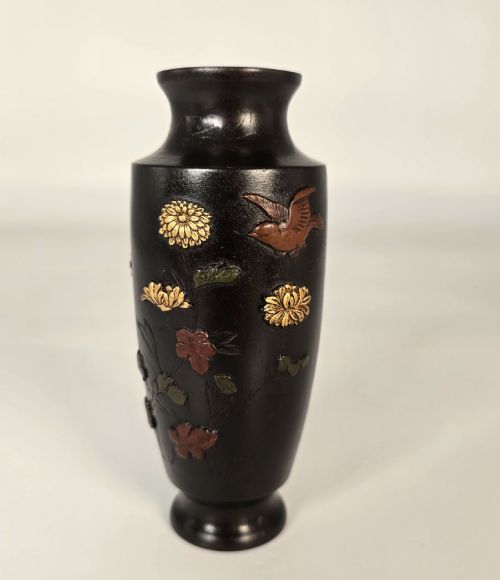
Artisans utilised bronze, copper, and brass as base metals, frequently applying patination to achieve deep, varied surface tones. Mixed metal techniques integrated silver and gold elements into the body.
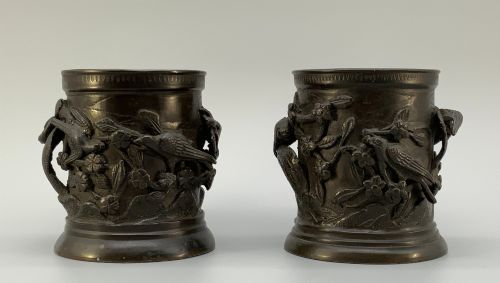
Inlaid decoration and champlevé or cloisonné enamel details added colour and texture to the metallic surfaces. Many pieces incorporated cast motifs such as birds, blossoms, and mythical creatures.
Watch for tiny bronze goats perched atop incense burners, keeping permanent guard over your living room.
What Varies in Quality
The sophistication of the surface decoration separates standard vessels from exceptional works. Fine examples display crisp mixed metal inlay, detailed bird or dragon handles, and original patinated finishes without heavy wear.
Scale and proportion also define the range, with monumental garden urns and large balanced pairs demanding greater technical skill in casting than smaller miniature vases.
KANASAWA·Kizan
The Meiji Period Bronze Urns Glossary
- Patinated Bronze
- Bronze treated with chemicals or heat to alter its surface colour and texture. This finish protects the metal while providing aesthetic depth.
- Champlevé
- An enamelling technique where troughs are dug into the metal surface and filled with enamel powder before firing. The technique creates distinct coloured compartments bordered by metal lines.
- Koro
- A traditional Japanese incense burner typically featuring a lidded bowl and support feet. These burners often incorporate animal or mythological finials.
- Mixed Metal
- The combination of different metals such as bronze, silver, and gold within a single decorative scheme. This method enhances visual contrast across the object surface.
- Usubata
- A specific form of bronze vase traditionally used for flower arrangements. These vessels often feature a wide top basin supported by a slender stem and broad base.
Meiji Period Bronze Urns: Frequently Asked Questions
What are meiji period bronze urns?
Meiji period bronze urns are decorative Japanese metal vessels produced during the late nineteenth and early twentieth centuries. They encompass lidded incense burners, baluster vases, and garden planters.
These pieces reflect the artistic output of Japanese metalworkers during a period of opening international trade. Their designs combine traditional iconography with refined casting techniques.
How were bronze urns used?
Many bronze urns served as ornamental display pieces within Japanese interiors, while others functioned practically as incense burners, flower holders, or garden planters.
In Western homes, some examples were later adapted into table lamps by adding electrical fittings and fabric shades. Their sturdy bronze construction allowed them to function both indoors and in garden settings.
How do I identify meiji period pieces?
Identification relies on observing stylistic markers such as mixed metal inlay, bird handles, and specific patinated finishes characteristic of late nineteenth-century Japanese production. Some pieces carry artist signatures or school attributions.
Period dating often aligns with the reign dates of the Meiji era alongside Victorian import markers. Comparing the cast details against known forms helps confirm the origin.
How do I live with bronze urns?
Bronze urns fit easily onto side tables, mantels, or pedestals as focal decorative objects. Their neutral metallic tones complement various interior styles.
Maintenance involves gentle dusting and avoiding abrasive cleaners that might harm the original patinated surface. Larger garden urns require stable placement outdoors to support their considerable weight.