



Japanese Bronze Ornament
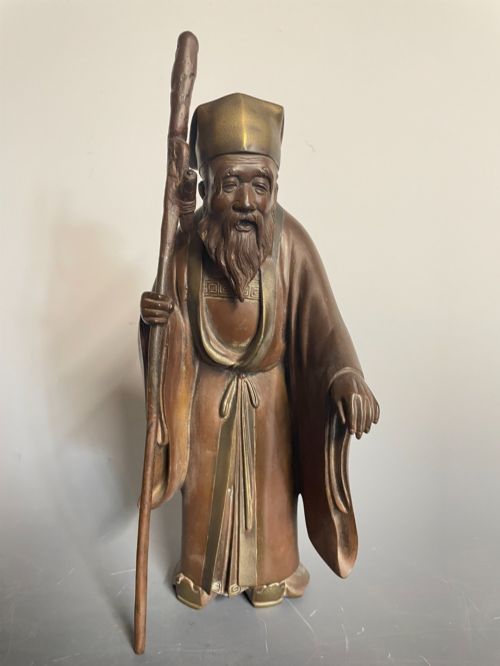
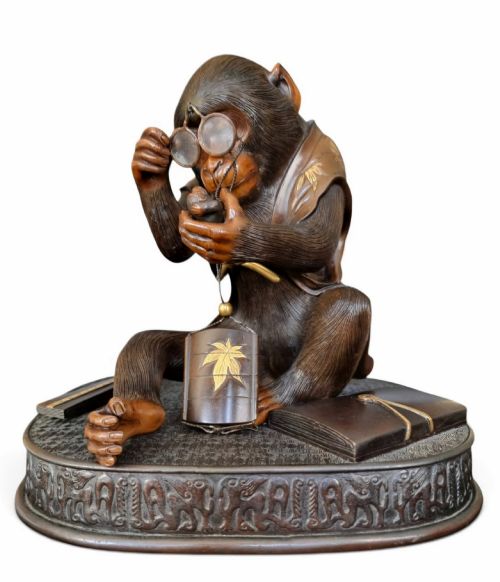
A Japanese bronze ornament brings animal figures, scholar monkeys, and bronze vases of the Meiji period directly into a room with striking presence.
Japanese Bronze Ornament
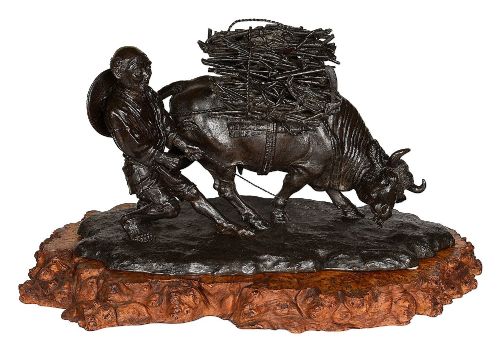
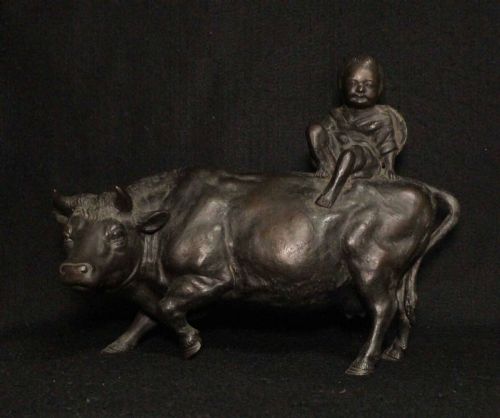
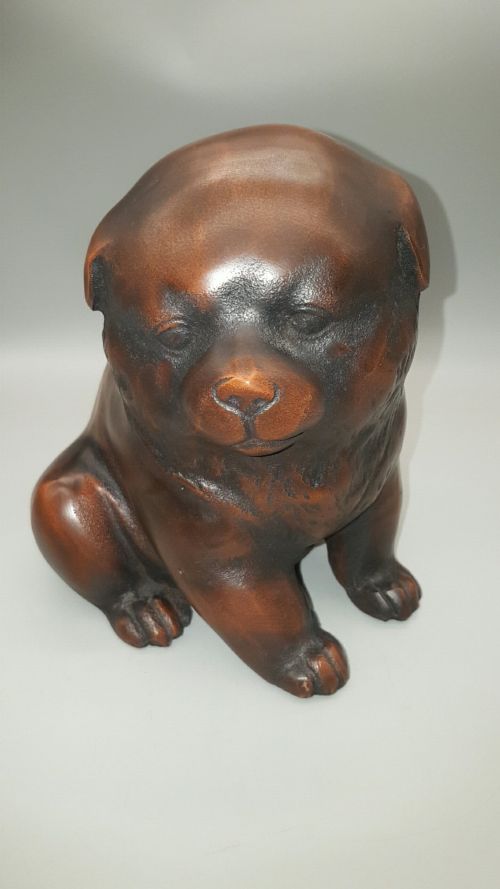
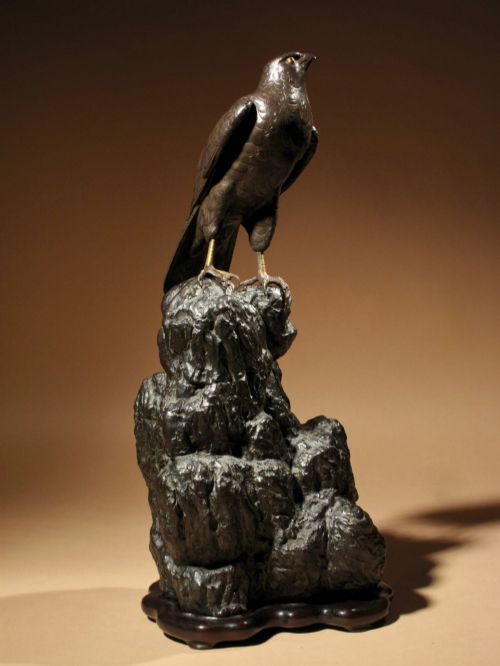
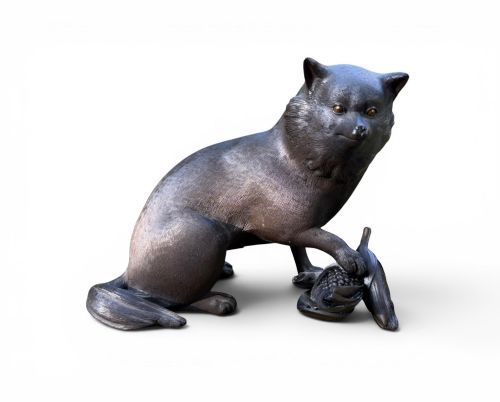
A japanese bronze ornament encompasses figures, vases, and okimono shaped as animals, birds, and human subjects from the nineteenth and early twentieth centuries. These works emerge predominantly from the Meiji and Showa periods, showcasing the technical ambition of metalworkers across Japan during those decades.
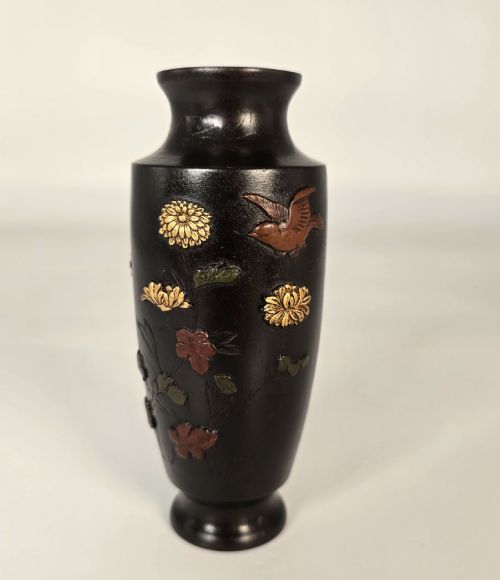
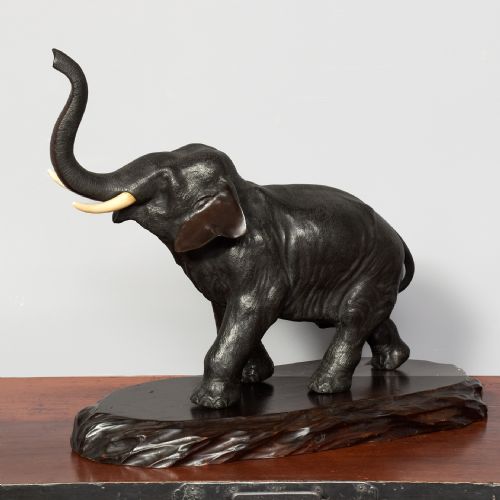
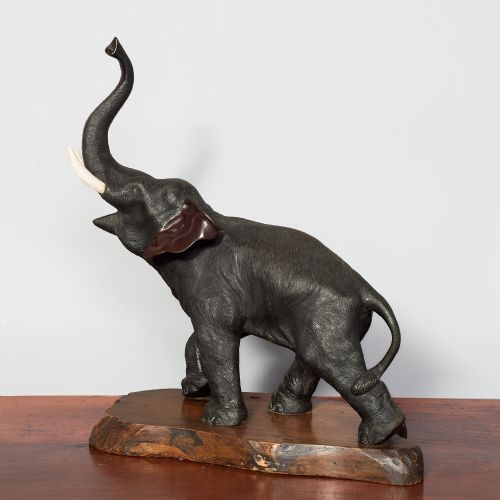
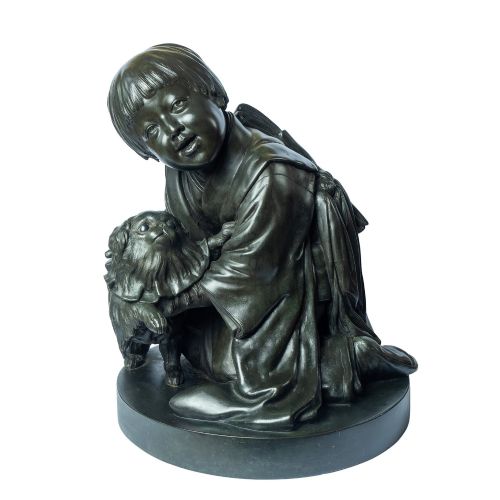
Buyers encounter subjects ranging from domestic dogs and puppies to complex wildlife groups depicting elephants and tigers, alongside decorative vases and architectural garden pieces. The forms vary from intimate tabletop okimono to large garden sculptures.
The aesthetic bridges naturalistic animal studies and formal vessel design, reflecting both traditional folklore and the rapid modernisation of metalcraft techniques during the late nineteenth century.
Materials and Technique
Makers utilised bronze, patinated bronze, and mixed metal alloys, often combining copper with gold inlay, shakudo, and brass highlights to create subtle colour variations across feathers, fur, and surfaces. Ivory and wood appear as supplementary elements in specific figures.
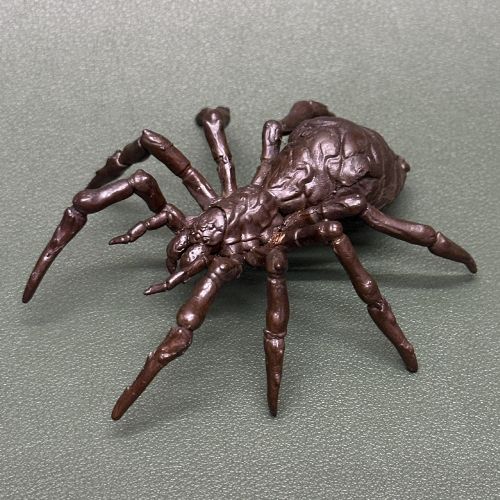
Casting methods allowed for intricate detail in subjects like spiders, rhinoceros beetles, and monkeys, where artists captured organic textures and lifelike postures before applying chemical patination to deepen the metal tones.
Among the menagerie of elephants and tigers, a bronze rhinoceros beetle and a tarantula spider stand ready to startle unsuspecting visitors.
Distinctions in Quality
Superior examples display precise anatomical articulation and deliberate patination that mimics the natural sheen of fur or the rough texture of rock formations, rather than relying on uniform, flat finishes.
The inclusion of signed signatures by notable makers, intricate mixed-metal inlay work, and the structural complexity of multi-part compositions elevate certain okimono and vases far above standard decorative items.
Jomi Eisuke·Shosai·Masaaki·Kaniya Kuniharu·Haruyama Shunzan·Unno Shomin
The Japanese Bronze Ornament Glossary
- Okimono
- A Japanese freestanding ornamental carving or sculpture meant for display in a tokonoma alcove or on a shelf. These figures often depict animals, legendary beings, or everyday scenes.
- Meiji Period
- The era in Japanese history spanning from 1868 to 1912, characterised by the opening of trade with the West and a flourishing of decorative arts.
- Shakudo
- A traditional Japanese billon of copper and gold that develops a deep purple-black patina when treated with chemical solutions.
- Patinated Bronze
- Metal treated with acids or heat to produce a controlled surface colour and aged appearance.
- Mixed Metal
- An artistic technique combining various metals such as bronze, brass, and copper within a single decorative object to create tonal contrast.
Japanese Bronze Ornament: Frequently Asked Questions
What is an okimono?
An okimono is a standalone decorative sculpture designed for interior display rather than religious or utilitarian use.
These pieces typically rest on desks, shelves, or cabinets to showcase the sculptural skill of the metalworker.
How do I care for bronze?
Bronze requires minimal maintenance, needing only gentle dusting with a soft, dry cloth to prevent dust accumulation.
Avoid using abrasive cleaners or chemical polishes that can strip away the original patination developed over the decades.
Are these pieces signed?
Many fine examples carry artist signatures or workshop marks cast directly into the base or body.
These signatures help attribute the work to specific masters active during the late nineteenth and early twentieth centuries.
Where were these displayed?
In traditional Japanese interiors, small bronze sculptures and vases found a place within alcoves alongside hanging scrolls.
Later exports also graced European and American drawing rooms as decorative mantel or tabletop centrepieces.