


Japanese Bronze Elephant
These heavy metal sculptures and okimono bring a commanding presence to any room through the distinct naturalism of a Japanese bronze elephant.
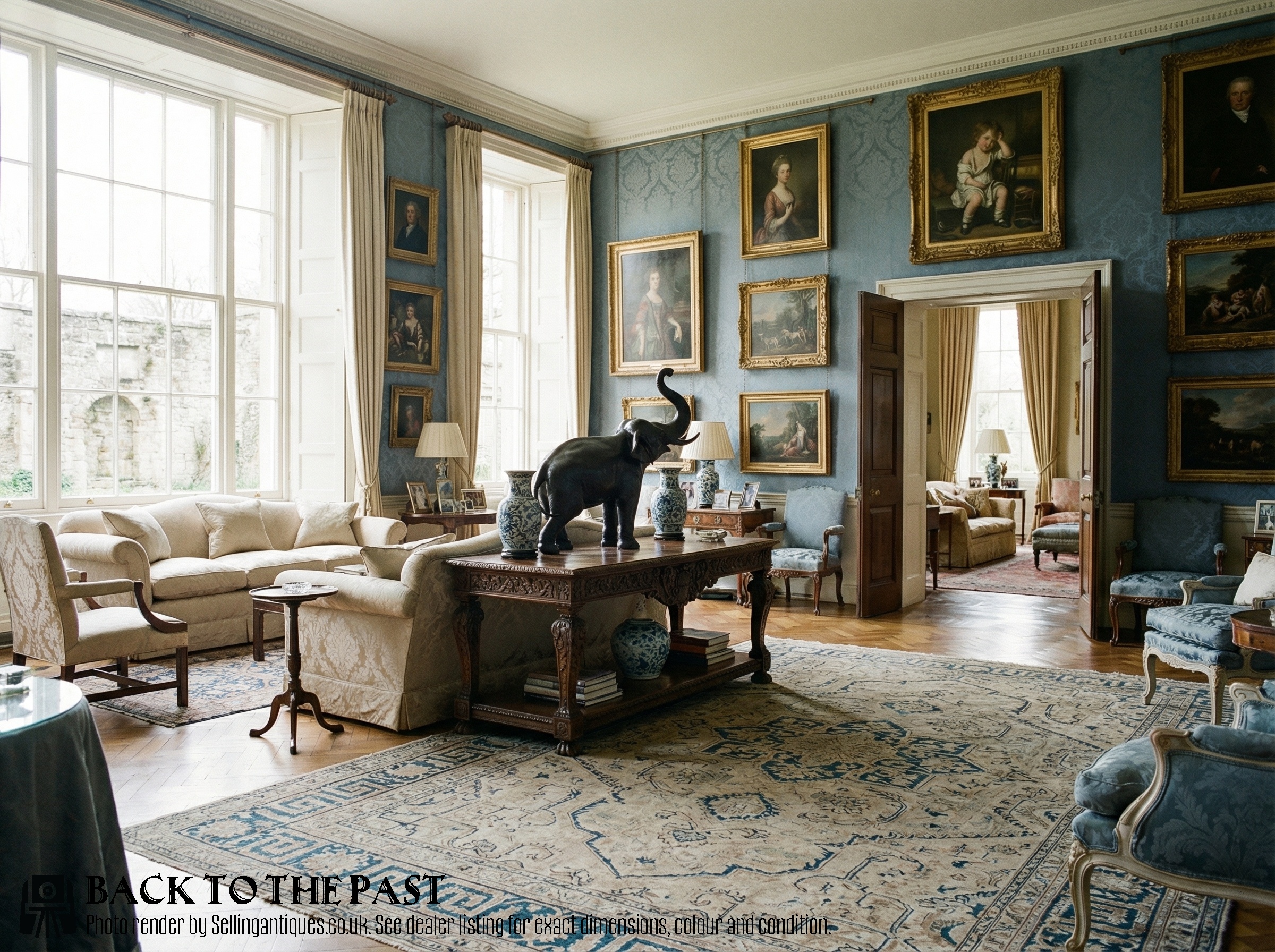
Japanese Bronze Elephant
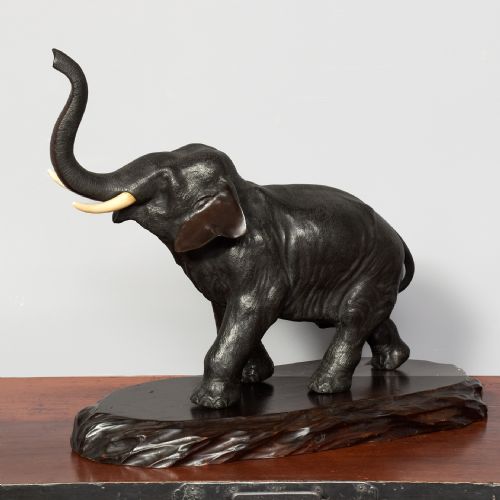
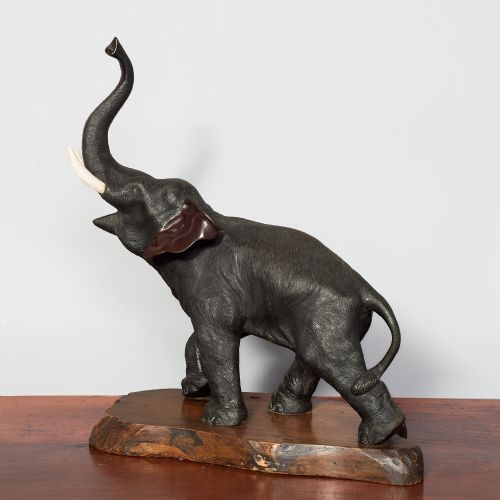
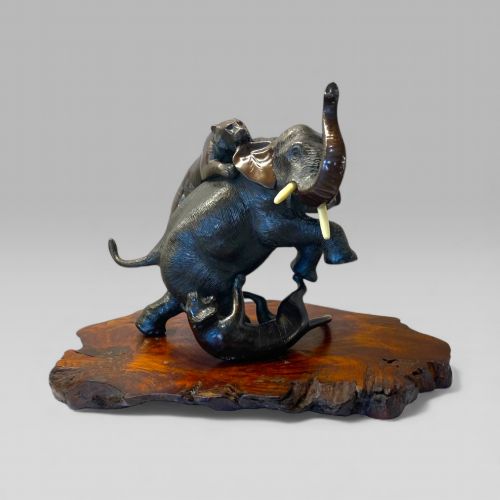
When you search for a japanese bronze elephant, you encounter nineteenth-century metalwork originating during the Meiji period. Most examples take the form of freestanding okimono figures or dramatic sculptural groups depicting these pachyderms struggling with tigers.
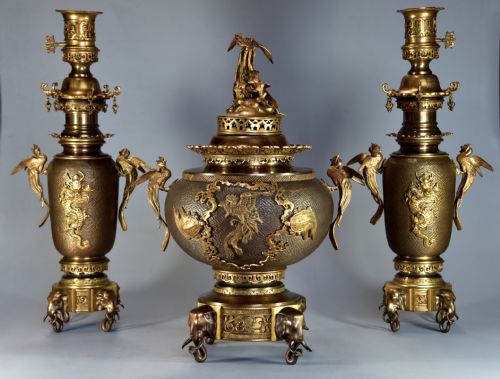
The selection also includes utilitarian vessels, jardinieres, and occasional bookends or table lamps adapted from original bronzes. These works stem from Japanese export workshops that served both domestic demand and Victorian British tastes for exotic realism.

Materials and casting technique
Foundries utilised lost-wax casting methods to achieve the intricate skin texture and muscular tension seen in these bronzes. Artisans applied chemical patination techniques to produce deep brown and black surface tones, often highlighting details with mixed metals or gilding.
Many sculptures incorporate organic elements such as ivory, bone, or hardwood bases to complement the metal body. Some pieces feature inlaid eyes made from materials like diamond or contrasting metals to heighten the lifelike expression.
Japanese Bronze Elephant Retail Price Guide 2026
Typical asking prices for japanese bronze elephant among the pieces listed under this phrase on Sellingantiques today, from the lower quarter to the upper quarter. They describe what is for sale here now, not the wider market.
Current listings feature nineteenth-century bronze and patinated bronze figures alongside wood, bone, and ivory elements.
Distinguishing quality across pieces
The division between ordinary production and exceptional artistry rests upon the subtlety of the chasing and the anatomical precision of the subject. Master workshops rendered wrinkles, toenails, and bone structure with absolute conviction rather than relying on uniform factory repetition.
Scale and complexity also govern the standing of a piece, particularly when multiple attacking tigers create a dynamic composition that demands superior balance and weight distribution in the bronze.
Genryusai Seiya·Maruki Company·Morimitsu
The Japanese Bronze Elephant Glossary
- Okimono
- A Japanese ornamental object intended for display on a tokonoma or shelf. These independent sculptures occupy a central place in Meiji period metalwork.
- Meiji Period
- The era in Japanese history lasting from 1868 to 1912, characterised by the opening of trade with the West and the rise of skilled bronze casting for export.
- Patinated Bronze
- Metal treated with chemical solutions to alter its surface colour and tone. This process creates the characteristic dark brown or greenish hues found on antique sculptures.
- Jardinieres
- Large decorative planters or pots designed to hold growing plants. These heavy vessels often incorporate cast bronze foliage or animal motifs.
- Animalier
- A nineteenth-century artistic genre dedicated to the realistic portrayal of animals. European and Japanese sculptors alike pursued this style with intense anatomical focus.
Japanese Bronze Elephant: Frequently Asked Questions
What is an okimono sculpture?
An okimono is a standalone decorative sculpture designed for interior display rather than religious ritual. These pieces represent the pinnacle of Meiji period metalwork artistry.
Craftsmen produced them in varying sizes, from miniature table ornaments to monumental floor figures that anchor a room's decor.
Why are tigers shown with elephants?
The motif of tigers attacking an elephant reflects nineteenth-century fascination with exotic wildlife dramaturgy and the sheer technical challenge of complex casting. Japanese artists used this dynamic combat to demonstrate mastery over tension, movement, and scale.
Such sculptural groups allowed metalworkers to showcase their profound understanding of animal anatomy under stress.
How do I care for antique bronze?
Maintenance requires only occasional dusting with a soft, dry cloth to protect the delicate chemical patination built up over centuries. Avoid applying modern polishes, waxes, or liquids that might strip the original surface finish.
Keeping the sculpture away from direct moisture preserves both the metal body and any associated ivory or wooden elements.
How can I date a Meiji bronze?
Dating relies on stylistic markers associated with the period between 1868 and 1912, alongside foundry signatures or artist seals stamped onto the base. The transition from early export ventures to late imperial casting techniques provides further chronological clues.
Comparing the casting weight, patination style, and secondary materials like bone tusks helps confirm the era of production.