



Japanese Bronze Bird Motif
Japanese bronze bird motif works bring literal grace to a room through cast metal and feathered subjects.
Japanese Bronze Bird Motif
When you search for japanese bronze bird motif, you encounter heavy metal vessels and plates produced during the Meiji and Edo periods. The selection here leans heavily towards 19th-century and turn-of-the-century items.
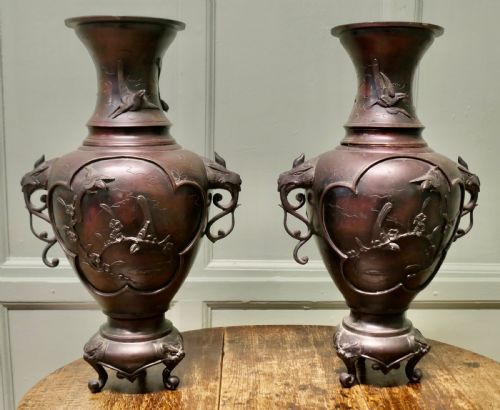
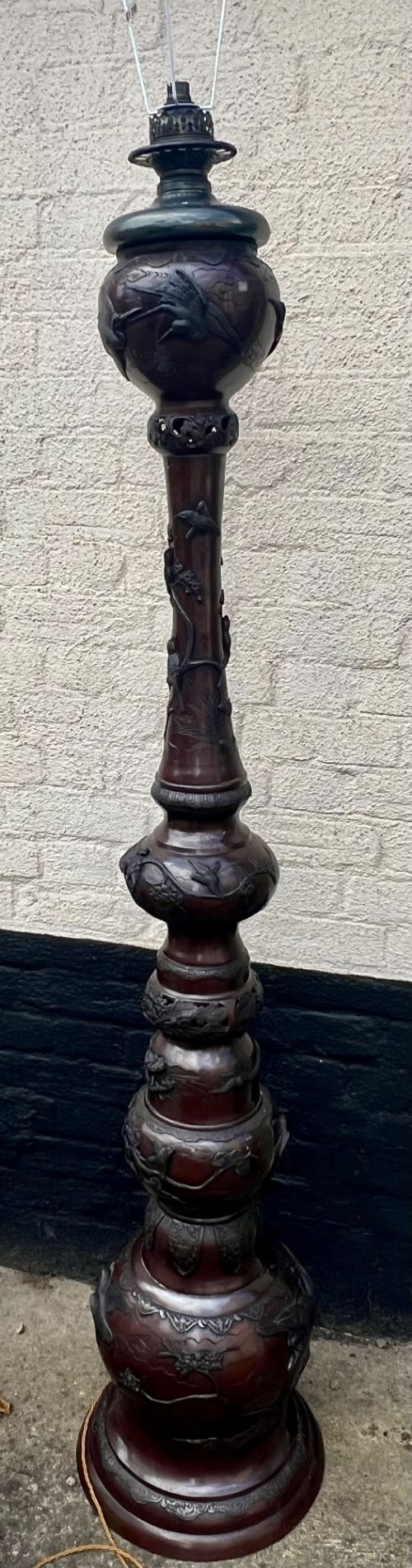
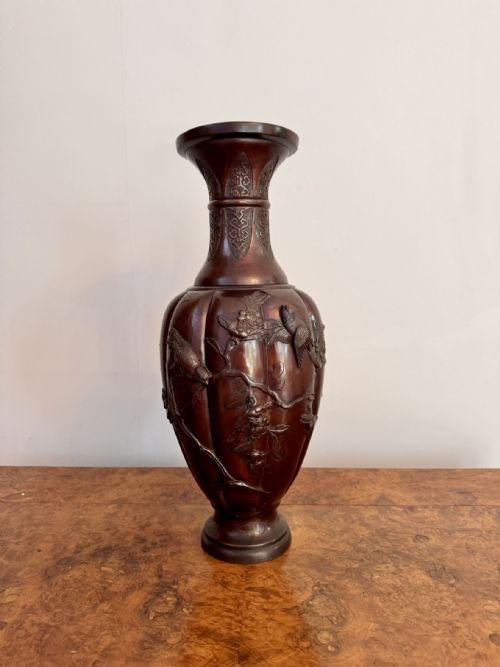
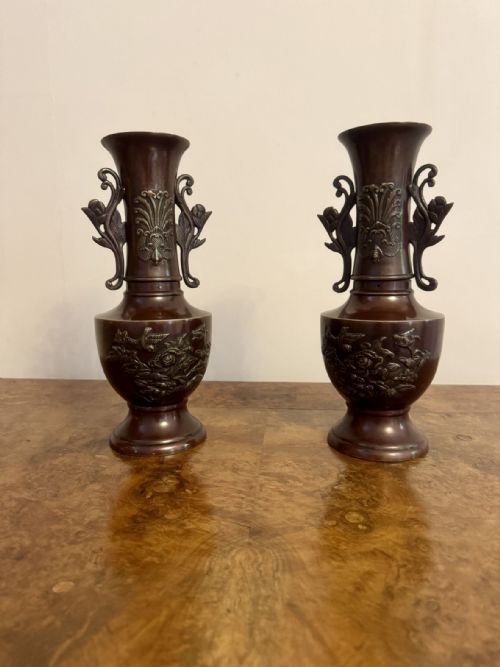
Vases dominate the available forms, appearing as single pieces, pairs, and twin-handled urns. Floor lamps and decorative jardiniere planters offer alternative ways to bring these feathered motifs into an interior.
How they were made
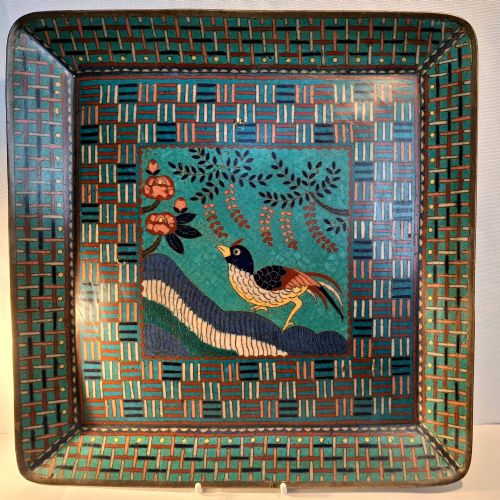
Artisans cast these objects primarily in bronze, occasionally applying patination to alter the surface tone. Enamel and cloisonné techniques provide colour and contrast on select decorative plates and chargers.
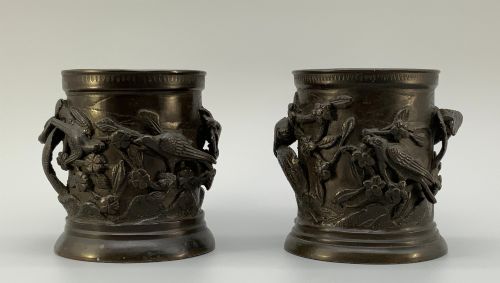
Vessels take shape through traditional metalworking methods, incorporating cast details of birds and blossom into the bronze body. Handles and structural elements are integrated directly into the casting or securely attached.
Japanese Bronze Bird Motif Retail Price Guide 2026
Typical asking prices for japanese bronze bird motif among the pieces listed under this phrase on Sellingantiques today, from the lower quarter to the upper quarter. They describe what is for sale here now, not the wider market.
Materials across these listings remain strictly focused on bronze, patinated bronze, brass, and enamel.
What varies in quality
Scale and ambition separate standard decorative items from exceptional works of art. Massive pairs and particularly large vases demonstrate greater foundry skill.
The definition and depth of the bird and blossom motifs dictate the visual success of each casting. Surfaces with carefully managed patination hold the eye differently than plain or uniform metal.
The Japanese Bronze Bird Motif Glossary
- Meiji Period
- The era in Japanese history spanning from 1868 to 1912. This period saw a surge in metalwork production aimed at export markets.
- Patinated Bronze
- Bronze treated with chemicals or heat to alter its surface colour. This process deepens the visual texture of bird and foliage scenes.
- Cloisonné
- Enamelwork technique where thin metal wires form compartments for paste. These areas are fired to create colourful decorative imagery.
- Jardiniere
- A large ornamental pot or planter designed for holding plants. These heavy metal pieces serve as focal points in period interiors.
Japanese Bronze Bird Motif: Frequently Asked Questions
How do I clean a bronze vase?
Dust gently with a dry microfiber cloth to protect the patinated surface.
Avoid chemical polishes that strip away the historic finish.
Are these pieces from the Meiji period?
The majority date to the Meiji period, spanning the late nineteenth and early twentieth centuries.
Edo period examples also appear among the selections.
How were these heavy vases used originally?
Many stood as interior ornaments on tables or within traditional display spaces.
Larger versions functioned as floor-standing decorative elements.
Can I wire a bronze vase as a lamp?
Converting antique bronze vessels requires careful drilling that alters the historic object.
Purpose-built floor lamps appear directly in bronze for lighting needs.