


Japanese Art Bronze
These Japanese art bronze pieces combine metalwork skill and natural observation, offering collectors weighty patinated forms ranging from animal okimono to large garden sculptures.
Japanese Art Bronze
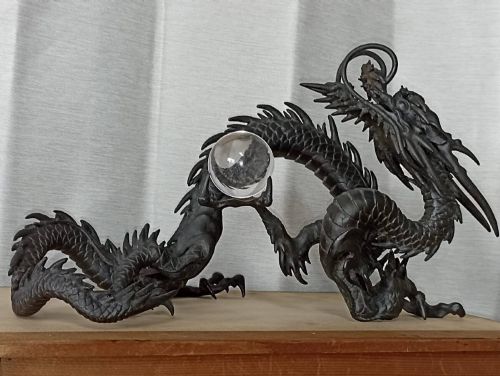
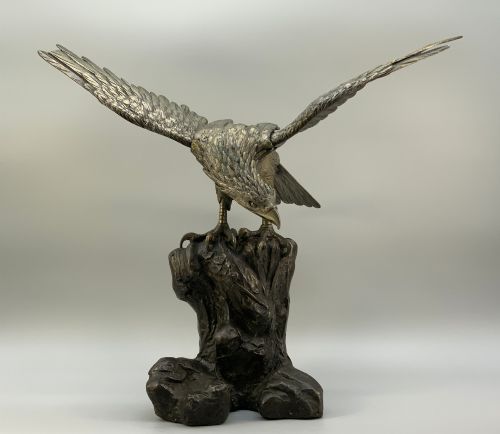
Vases and jardinières appear frequently, often cast with patinated surfaces or inlaid details. Animal subjects include birds, elephants, tigers, and highly detailed articulated creatures.
Garden sculptures and large decorative plates complete the range of items available. These pieces reflect distinct manufacturing periods from the eighteenth century through the Edwardian era.
Materials and construction
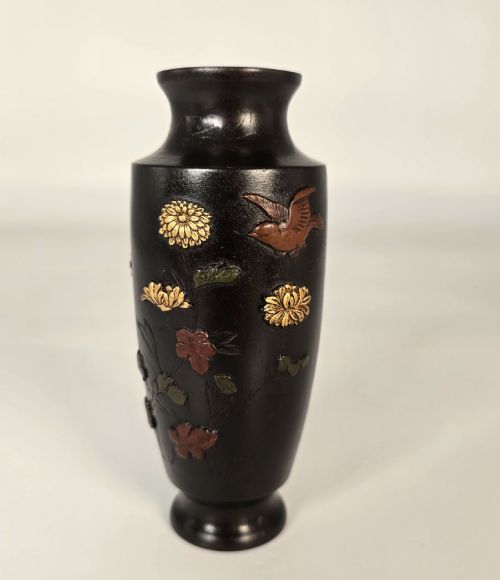
Metalworking relies heavily on bronze, copper, and brass, frequently enhanced with gold inlay and mixed metal applications. Artisans achieved varied surface colours through chemical patination techniques on the metal body.
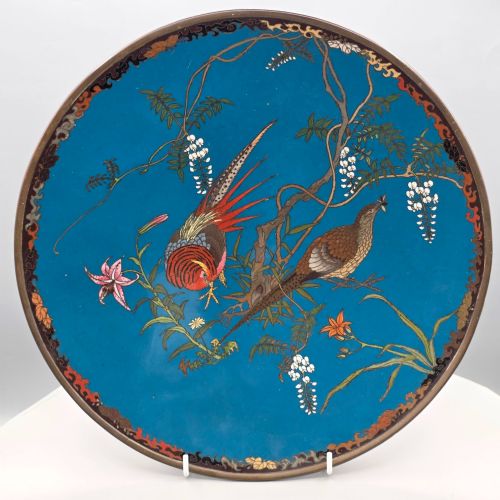
Cloisonné enamel provides colourful contrast on plates, chargers, and censers, using wire cells soldered to metal bases. Wood and enamel elements appear alongside the primary metal structures.
Listings span the Edo period, Meiji period, and the Edwardian era, incorporating bronze, enamel, copper, brass, and gold inlay.
Assessing the work
Quality separates through the precision of the casting and the crispness of surface detailing. Naturalistic animal okimono depend on accurate anatomical rendering and subtle patination to achieve realism.
Mixed metal components and inlay work demonstrate the maker's technical capability. Superior examples maintain clean lines and secure fittings across complex multi-part items like articulated figures and large vases.
Haruyama Shunzan·Masanori Kojima·Kabuki Shumei
The Japanese Art Bronze Glossary
- Okimono
- A Japanese ornamental statue or object for display, typically placed in a tokonoma alcove or on a shelf. These standalone sculptures depict animals, figures, and mythical subjects.
- Cloisonné
- An enamel technique where metal wire forms compartments on a vessel surface, which are then filled with paste and fired. Finished plates and vases display intricate patterns of birds, dragons, and flowers.
- Patinated metal
- Metal treated with chemical solutions to produce a specific surface colour or aged tone. This finish protects the underlying material while defining the visual character of bronze sculptures.
- Mixed metal
- The combination of different metallic alloys, such as copper, brass, and silver, within a single decorative piece. Artisans used this technique to create contrasting visual highlights on vases and plaques.
Japanese Art Bronze: Frequently Asked Questions
How do I identify Meiji period bronze?
Meiji period bronzes date between eighteen sixty-eight and nineteen twelve, a time of rapid artistic development in Japan. Look for naturalistic animal subjects, mixed metal details, and rich patinated surfaces.
Many pieces bear artist signatures or foundry marks, though unsigned works remain common. The style bridges traditional casting methods with western decorative influences.
What are jizai okimono?
Jizai okimono are articulated figures constructed with fully movable joints. Metal plates overlap to allow crabs, lobsters, and dragons to flex naturally.
These pieces required advanced smithing expertise to ensure every segment moved without falling apart. They represent a high point in Japanese metalworking ingenuity.
How do I clean antique bronze?
Antique bronze requires minimal intervention to preserve its original patinated surface. Dust the piece gently with a dry, soft cloth.
Avoid using water, metal polishes, or chemical cleaners, which strip away historical patination. Professional conservation is advised for pieces needing deeper attention.