







Japanese Arita Ceramics
Japanese arita ceramics bring durable porcelain, rich cobalt underglaze and traditional enamel work directly into modern homes.
Japanese Arita Ceramics
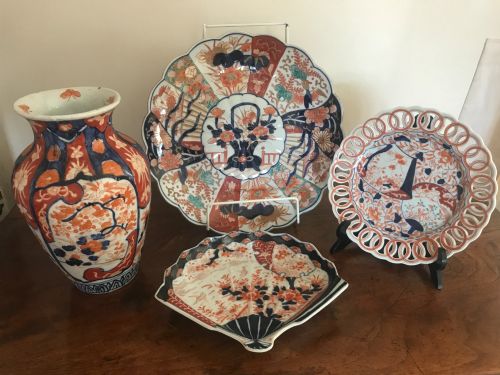
Japanese arita ceramics encompass durable porcelain vessels made in Hizen province, including decorative plates, chargers, bowls, vases, and lidded jars. Buyers searching this phrase look for functional and decorative ware shaped by centuries of kiln tradition.
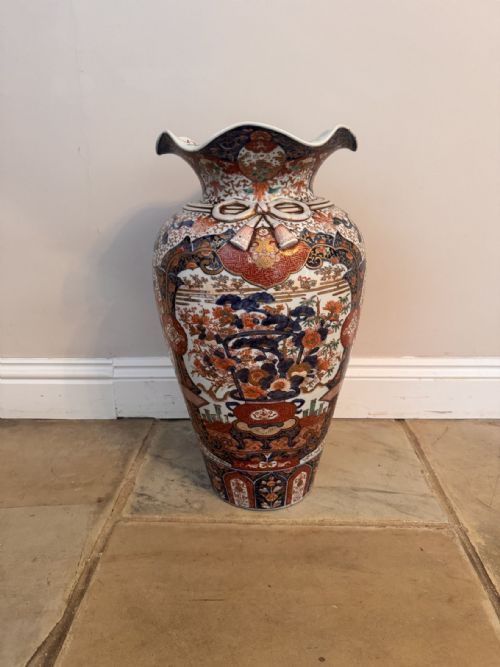
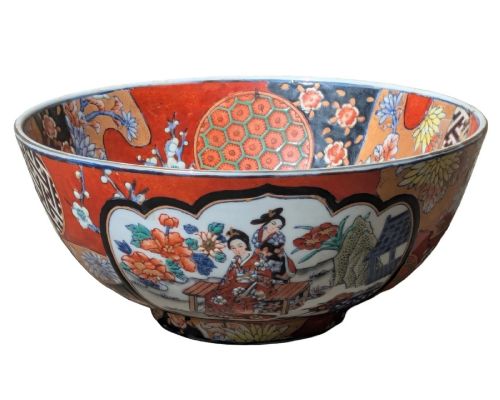
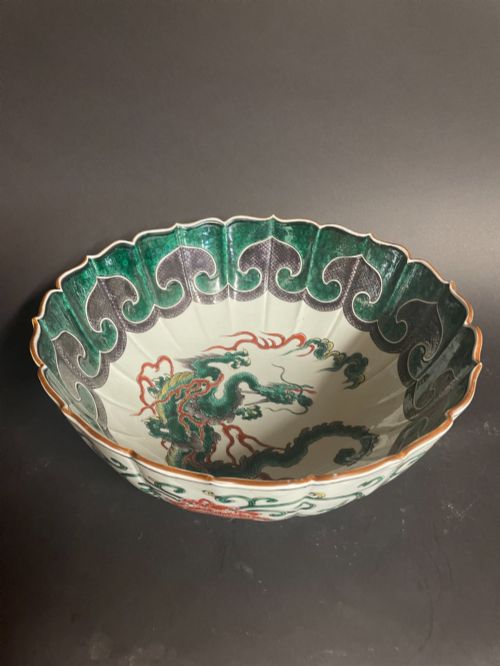
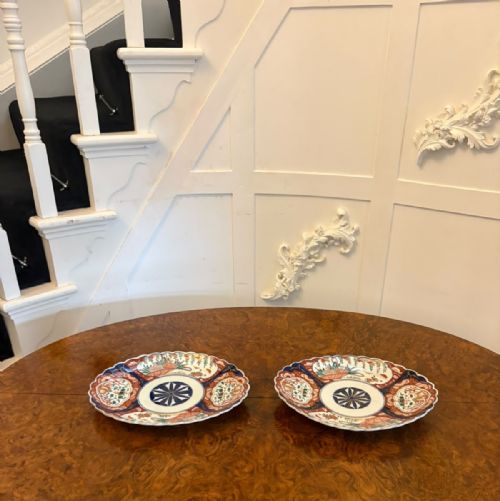
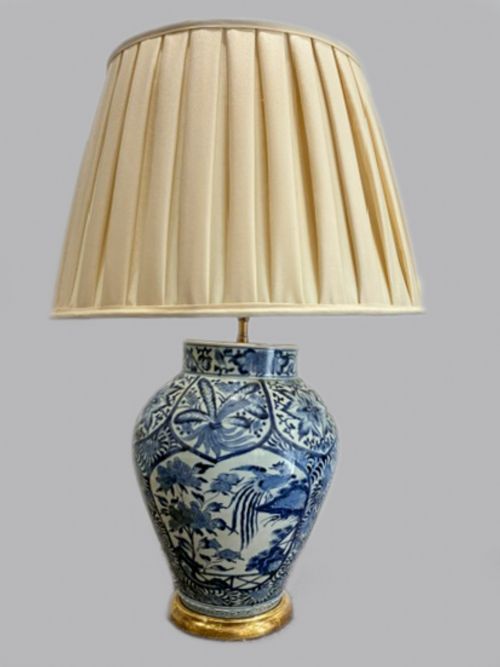
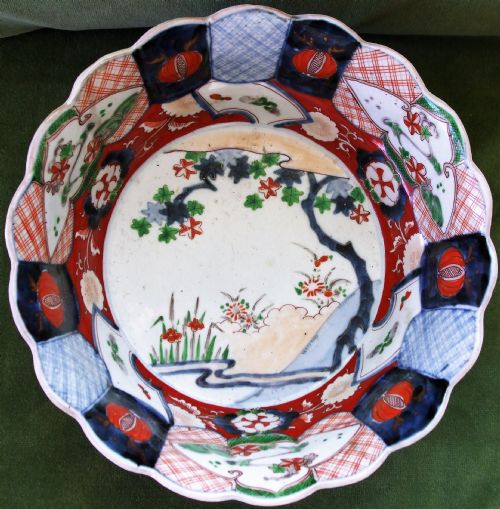
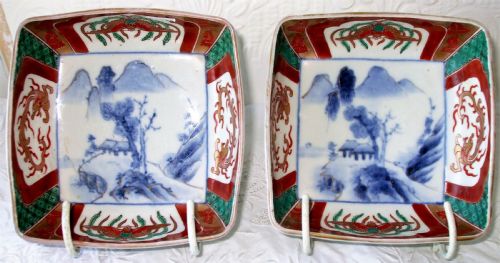
The pieces on this page span from the seventeenth century through the Edo and Meiji periods up to the twentieth century. Examples featuring the Japanese Imari style appear most frequently among these listings, alongside blue and white porcelain and figural representations.
Forms range from small scallop edge dishes to large floor standing vases and jardiniere pieces. These objects combine utilitarian forms with intricate surface decoration suited for display.
Materials and Techniques
Potters shaped refined porcelain clay into bowls, plates, and vases before applying cobalt underglaze pigment for deep blue motifs. Artisans then fired the pieces at high temperatures to achieve a vitrified body.
Painters added surface colour using enamel and gold leaf or gold gilt over the initial glaze layer. This combination of underglaze cobalt and overglaze enamel created the characteristic palette seen on Imari wares.
Kiln workers utilised specialised moulds and wheel-throwing techniques to form hexagonal plates, scalloped edges, and lidded jars. Careful stacking inside wood-burning kilns allowed for consistent heat distribution across large chargers and garniture sets.
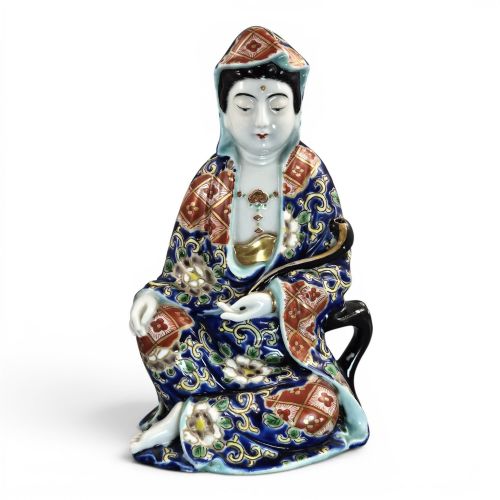
One historical figure immortalized in these ceramics is Jigoku Dayu, the hell courtesan, captured here in porcelain form.
Factors of Quality
Brushwork precision separates standard production ware from superior pieces. Crisp lines in the cobalt underglaze and controlled application of enamel and gold leaf indicate skilled handwork in the decoration.
Porcelain body purity and glaze consistency influence the overall finish of a vessel. Smoother surfaces and even glazing without firing distortions mark better execution during kiln production.
Complexity of form, such as scalloped edges, hexagonal shaping, or large scale chargers and lidded vases, demands greater technical control from the potter and painter alike.
The Japanese Arita Ceramics Glossary
- Imari
- A style of Japanese porcelain decorated in underglaze blue, iron red, and gold, originating from the port of Imari. This aesthetic gained widespread popularity for export and domestic use.
- Edo Period
- The period in Japanese history spanning from 1603 to 1868, characterised by economic growth and stability under the Tokugawa shogunate. Ceramics from this era often display traditional motifs and refined forms.
- Meiji Period
- The era spanning from 1868 to 1912, marked by the modernization of Japan and increased production of decorative arts for international markets. Pieces from this time show elaborate enamel and gold detailing.
- Cobalt Underglaze
- A blue pigment applied to raw porcelain clay before glazing and firing, capable of withstanding high kiln temperatures. It produces deep, permanent blue designs under a clear glass layer.
- Jardiniere
- A large ornamental pot or container designed to hold plants or flowers. These sturdy ceramic vessels often serve as prominent decorative centrepieces in rooms.
Japanese Arita Ceramics: Frequently Asked Questions
Can I use these vases for fresh flowers?
Many vases and jars held water originally, but antique porcelain develops micro-fissures over centuries. Using a hidden glass liner protects the historic body from moisture damage.
Inspect the interior for any hairline cracks before filling the vessel with water.
How do I date an imari charger?
Examine the footring, glaze characteristics, and pigment tones to determine the period of manufacture. Edo period pieces often display heavier potting and slightly irregular shapes compared to later Meiji examples.
Compare the cobalt blue depth and iron red hues against documented kiln standards from the seventeenth to nineteenth centuries.
Where were these ceramics made?
Artisans produced these works in kilns centred around Arita in Hizen province on the island of Kyushu. This region had access to high-quality local clay deposits suitable for fine porcelain.
Finished goods travelled to the port of Imari for shipment to domestic markets and international buyers.