


James Hadley Porcelain Figures
These james hadley porcelain figures combine Victorian character with delicate blush ivory glazes and meticulous painting.
James Hadley Porcelain Figures
When you search for james hadley porcelain figures, you are looking at sculptural works produced by a master modeller working with Royal Worcester. The pieces on this page span the nineteenth century and the Edwardian era, taking the form of figurines, candlesticks, and candelabra.
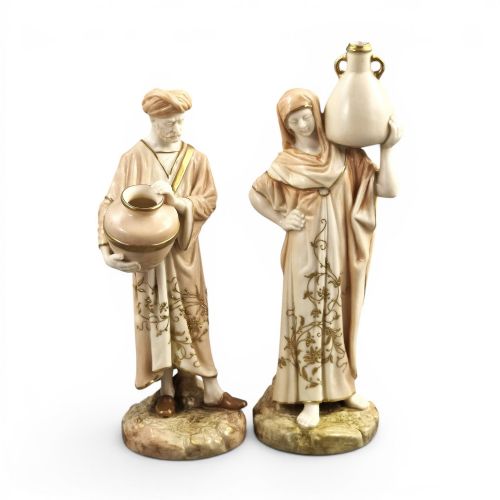
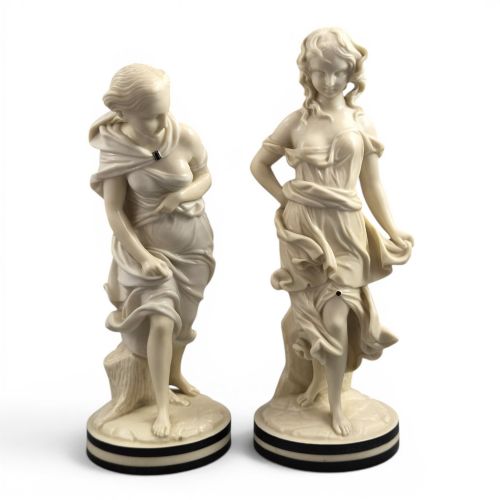
The most common examples you will meet include orientalist water carriers, musicians, and allegorical figures such as the wind maidens and pairs of figures. These works reflect Victorian tastes for exoticism, classical revival, and aesthetic movement design.
Subjects range from single decorative statuettes to large matched pairs and complex figural candelabra. Each piece demonstrates the sculptural skill and artistic direction associated with James Hadley during his tenure.
Materials and methods
These works are formed from fine porcelain and parian ware, utilising specialised ceramic bodies that take crisp detail. The surfaces often display blush ivory glaze, a soft matte finish that accepts delicate hand-painting.
Enamel colours, gold leaf, gilding, and gilt accents are applied to highlight garments, accessories, and bases. Patent metallic finishes also appear on specific models, adding a bronze-like sheen to select details.
Trinket makers, monks, satyrs, and wind maidens populate the output, proving that Victorian shelves were wonderfully eccentric.
Judging quality
The distinction between ordinary and exceptional pieces lies in the crispness of the modelling and the sensitivity of the hand-painting. Superior examples retain fine facial expressions, intricate drapery folds, and precise application of gilding and enamel without blurring.
Scale and complexity also define the upper tier, where large figural groups, matched pairs, and elaborate candelabra demand greater technical mastery from the potter and the painter. Complete preservation of delicate porcelain extremities and original surface finishes elevates a piece considerably.
James Hadley·Royal Worcester
The James Hadley Porcelain Figures Glossary
- Blush Ivory Glaze
- A soft, matte cream ceramic finish developed by Royal Worcester that provides a muted background for floral and figural decoration. This glaze absorbs light differently than traditional glossy finishes.
- Patent Metallic
- A specialised glaze treatment producing a lustrous, bronzed appearance on ceramic surfaces. It mimics metallic finishes while retaining the underlying porcelain form.
- Candelabra
- Branched lighting fixtures designed to hold multiple candles, often incorporating figural pedestals in these collections. They combine functional design with sculptural ornamentation.
James Hadley Porcelain Figures: Frequently Asked Questions
Who was James Hadley?
James Hadley was a principal modeller and artist working for the Royal Worcester porcelain factory during the nineteenth century. His work defined much of the sculptural output of the firm before he established his own works.
His designs encompass both naturalistic figures and heavily detailed orientalist subjects that remain sought after by ceramic collectors today.
How do I date these figures?
Dating relies on factory registration marks, shape numbers, and style periods recorded in the piece details. Victorian pieces often carry impressed or printed codes specific to the year of manufacture.
Comparing the recorded production dates and stylistic markers helps place each figurine within the nineteenth or early twentieth century.
How were these figures used?
These pieces served primarily as ornamental works of art displayed on mantelpieces, sideboards, and drawing-room tables throughout Victorian and Edwardian homes. Items incorporating sconces additionally functioned as decorative candlesticks and candelabra.
They demonstrated the owner's refined taste and appreciation for fine ceramic sculpture and exotic narrative subjects.