




Edwardian Ceramic Ornaments
Edwardian ceramic ornaments bring figurative charm and classical form to a room, offering finely modelled porcelain and earthenware figures for the collector.
Edwardian Ceramic Ornaments
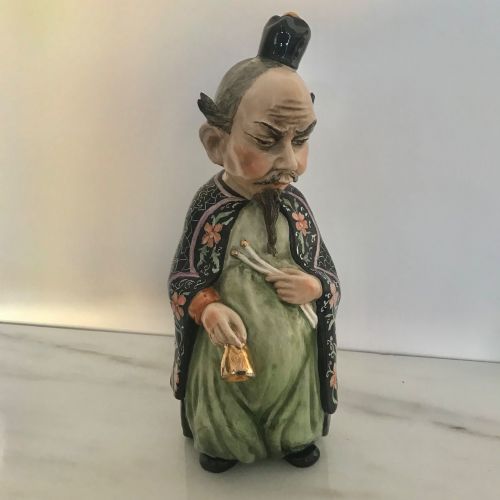
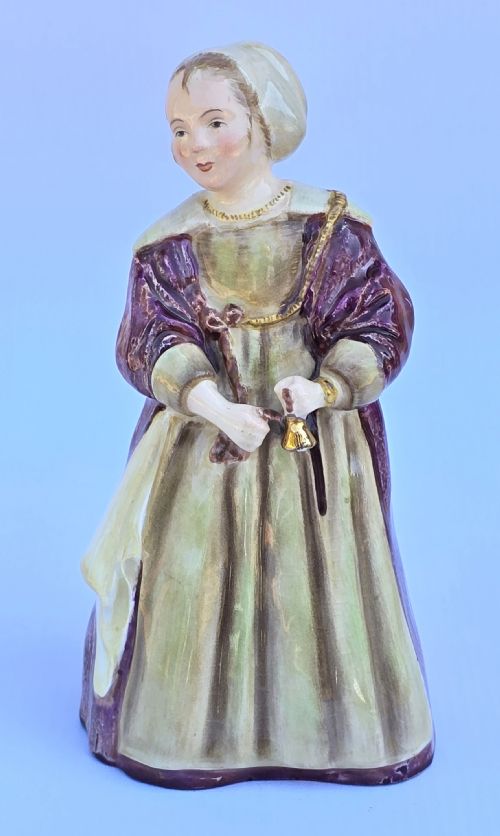
When you search for edwardian ceramic ornaments, you encounter a diverse selection of figures, centrepieces, and posy holders spanning the early twentieth century and surrounding decades. These decorative pieces capture both domestic and pastoral scenes, ranging from intricate spill vases to large sculptural groups.
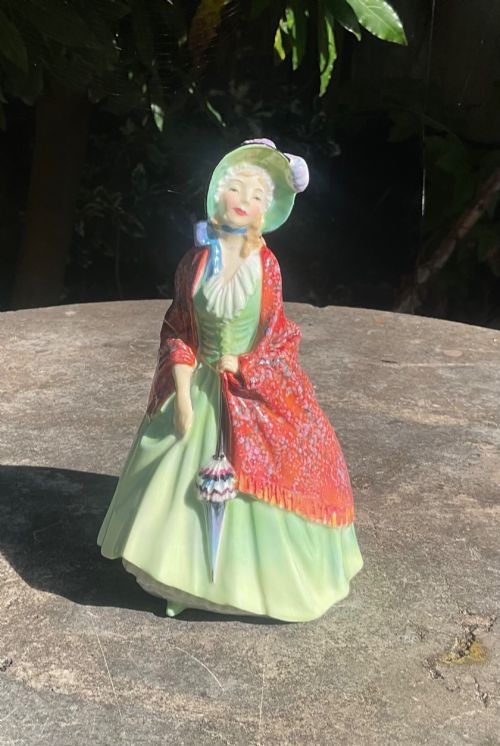
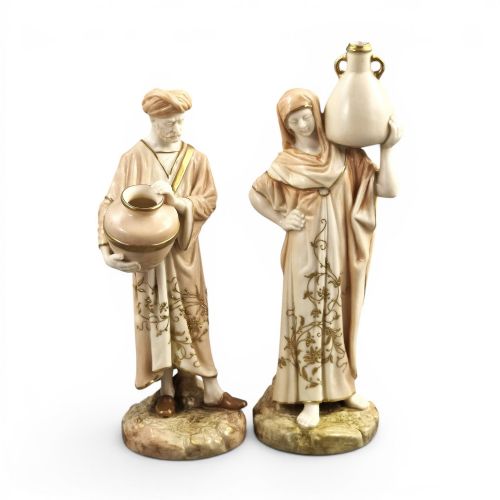
The objects represented on this page lean heavily towards porcelain and earthenware figures produced in European potteries, alongside Staffordshire and Bohemian works. You will frequently find figures carrying animals, water carriers, and classical groupings that reflect the taste of the period.
How they were made
Many of these pieces utilise fine porcelain or earthenware bodies, shaped through casting or hand sculpting before receiving detailed surface treatments. Potters applied glazes and enamel decoration by hand, sometimes enhancing the form with gilt highlights or gold leaf.
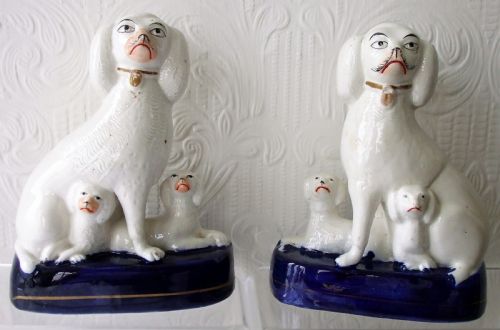
Several pieces on this page feature domestic pets, including poodles with pups, hunting dogs with hares, and cats carried by figures.
What varies in quality
The finesse of the hand modelling and the precision of the enamel painting determine the standing of an individual piece. Superior examples display crisp definition in the fingers, facial expressions, and clothing folds, whereas lesser pieces show softer, less distinct moulding.
The sophistication of the palette and the restraint of the gilding separate standard production wares from artist-led studio or factory creations. Well-preserved glaze surfaces and intact polychrome details maintain the visual integrity of the original design.
Royal Doulton·Royal Worcester·Royal Dux·Krister KPM Waldenburg·Wedgwood and Co Ltd·Volkstedt Porcelain
The Edwardian Ceramic Ornaments Glossary
- Bisque
- Unglistered porcelain that has been fired once, leaving a matte, porous surface resembling marble. This finish was frequently utilised for delicate figural groups to highlight fine sculptural detail.
- Posy Holder
- A small ceramic vessel designed to display short-stemmed flowers or posies. These objects combine utilitarian function with decorative figural or architectural modelling.
- Ewer
- A large jug with a flared spout and an ornate handle, often treated purely as a decorative ornament rather than a vessel for pouring water. In ceramic production, ewers allowed artists space for landscape or figural painting.
- Spill Vases
- Tall, narrow receptacles traditionally placed on mantelpieces to hold wooden spills used for lighting fires or pipes. They are commonly decorated with painted animals or pastoral scenes.
- Centrepiece
- A large decorative object placed in the middle of a dining table or sideboard. These elaborate porcelain or terracotta arrangements often incorporate multiple figures or basins.
Edwardian Ceramic Ornaments: Frequently Asked Questions
What are edwardian ceramic ornaments?
They are decorative figurines, centrepieces, and vases made from porcelain, earthenware, and terracotta during the early twentieth century.
These pieces often depict human figures, animals, and classical motifs, reflecting the artistic styles of the period.
How were these ornaments used?
Most of these items served purely decorative purposes on mantelpieces, sideboards, and display cabinets within Edwardian homes.
Some forms, such as posy holders and spill vases, combined ornamental display with practical functions for flowers or fireplace spills.
How do I clean porcelain figures?
Dust these delicate ceramic pieces gently with a soft, dry brush to prevent accumulation in recessed crevices.
Avoid using water or chemical cleaners, particularly on bisque surfaces or areas decorated with fragile enamel and gold leaf.
How can I tell the period?
Examine the base for factory backstamps, impressed model numbers, and registration marks characteristic of early twentieth-century production.
The style of the modelling, the palette of the hand enamels, and the type of glaze also offer strong indicators of date.