


James Dixon and Sons
These james dixon and sons pieces span sterling silver, silver plate, and pewter, offering functional elegance for barware, dining, and display from the nineteenth and twentieth centuries.
James Dixon and Sons
When you search for james dixon and sons, you encounter a prolific Sheffield manufacturer known for diverse metalwork spanning the Victorian, Edwardian, and Art Deco eras. The inventory ranges from substantial sterling silver cocktail shakers and pierced baskets to everyday silver-plated entree dishes, hip flasks, and tea sets.
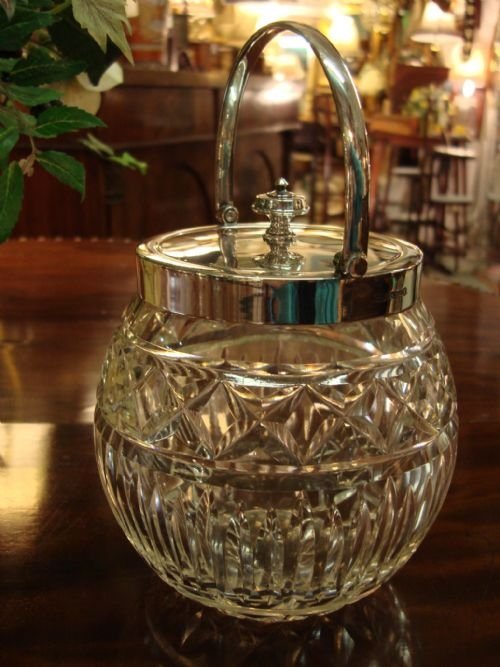
You are most likely to meet silver-plated barware and dining accessories from the 1930s, alongside solid silver centrepieces and candlesticks bearing Sheffield hallmarks from the early twentieth century. Practical items such as biscuit barrels, spirit sets, and trays demonstrate the firm's transition from nineteenth-century ornamentation to cleaner mid-century forms.
Materials and methods
Makers utilised sterling silver and heavy silver plate over a base metal, often incorporating cut glass, leather, cork, and ivory into utilitarian designs. Techniques included intricate pierced-work, engine-turning, and the application of Old Sheffield Plate methods for layered metal durability.
The workshops employed skilled silversmiths for hammering, casting, and hand-finishing details such as Corinthian columns on candlesticks or engraved ferns on large serving trays.
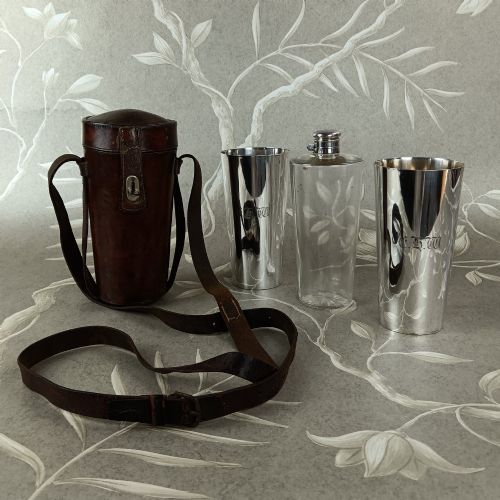
Some Edwardian travellers required silver-plated field campaign spirit sets just to ensure a civilised drink miles from home.
Evaluating quality
The distinction between standard production items and exceptional examples lies in the crispness of the casting, the depth of hand-engraving, and the integrity of the original plating or hallmarks. Superior pieces retain complex structural elements like integral lemon squeezers in cocktail shakers or fully fitted internal compartments.
Weight and balance also dictate standing, as solid silver centrepieces and heavy-gauge plated trays demand substantial metal thickness to endure decades of formal dining use without distortion.
James Dixon and Sons·Dixon and Son
The James Dixon and Sons Glossary
- Hallmark
- Official stamps applied to precious metals indicating the standard of purity, the assay office, and the date letter. Sheffield serves as the primary origin for these pieces.
- Old Sheffield Plate
- A fused technique where a thin sheet of sterling silver is united with a copper base before rolling. This method predates modern electroplating.
- Pierced-work
- A decorative technique involving the cutting or sawing of patterns through sheet metal. It appears frequently on Edwardian baskets and centrepieces.
- Engine-turned
- A geometric surface decoration applied mechanically by a lathe. It is common on Art Deco cocktail shakers and cigarette cases.
- Entree dish
- A covered serving vessel designed for dining tables. These often feature detachable handles for versatile serving options.
James Dixon and Sons: Frequently Asked Questions
How do I date james dixon and sons items?
Dating relies heavily on official Sheffield assay office date letters stamped alongside the maker's mark on sterling silver pieces. Stylistic shifts, such as Victorian florid engraving versus Art Deco geometric engine-turning, help narrow down unmarked silver plate.
Researching registration numbers and patent marks also provides precise production years for functional items like hip flasks and cocktail shakers.
How should I clean silver plated barware?
Gentle cleaning with a non-abrasive silver cloth preserves the remaining plate without exposing the base metal underneath. Avoid harsh chemical dips that strip away the dark patina accumulated in recessed details.
Hand washing in warm soapy water immediately after use prevents tarnishing from acidic cocktail ingredients or wine.
What defines Art Deco style in these pieces?
Art Deco examples feature streamlined silhouettes, geometric engine-turning, and minimal ornamentation that break away from Victorian and Edwardian ornate traditions. Cocktail shakers and trays from the 1930s embody this modern aesthetic through cylindrical forms and stepped handles.
Functionality dictates the design, reducing superfluous decoration in favour of sleek, balanced metallic surfaces.