


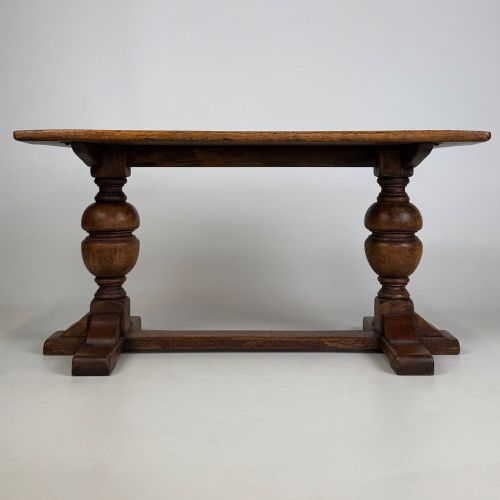
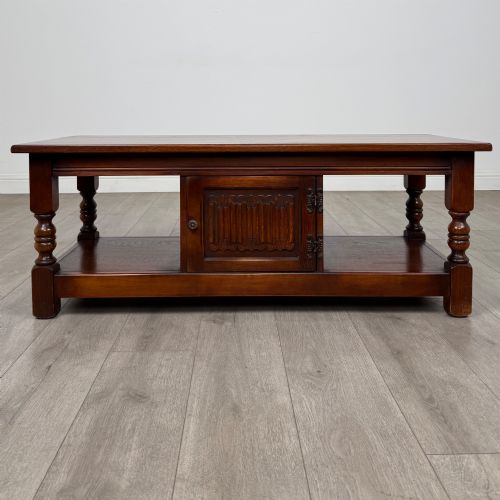
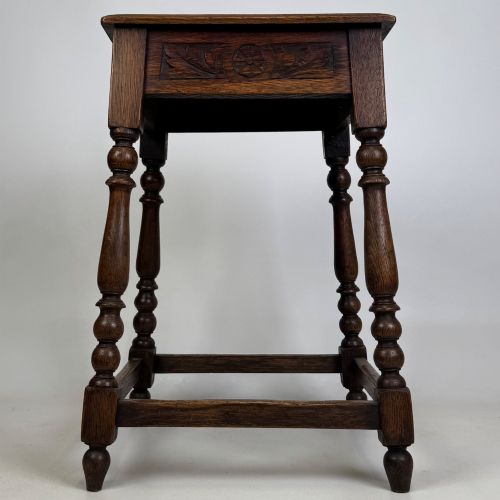
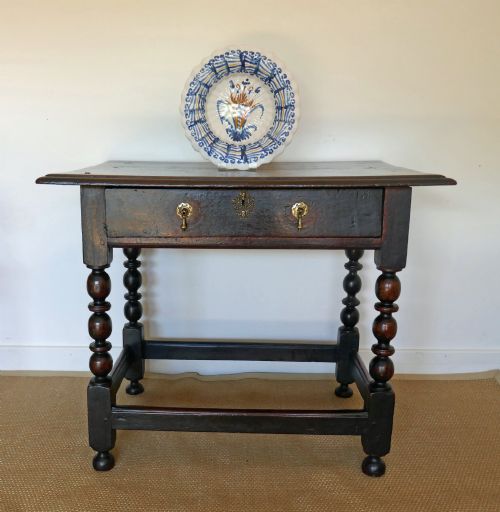
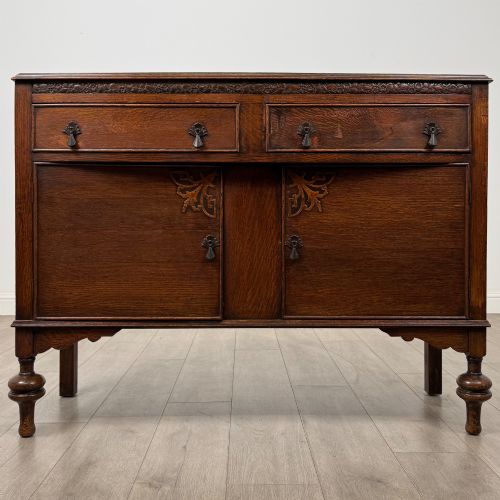
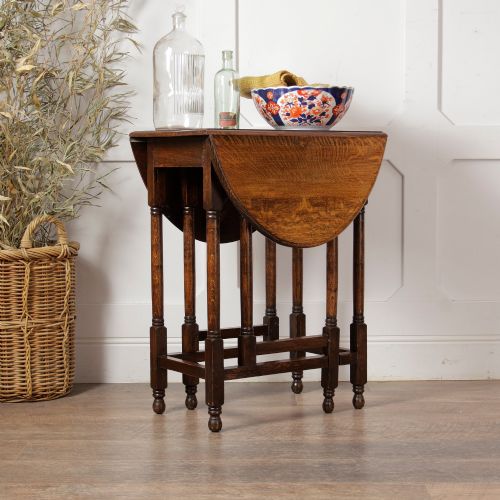
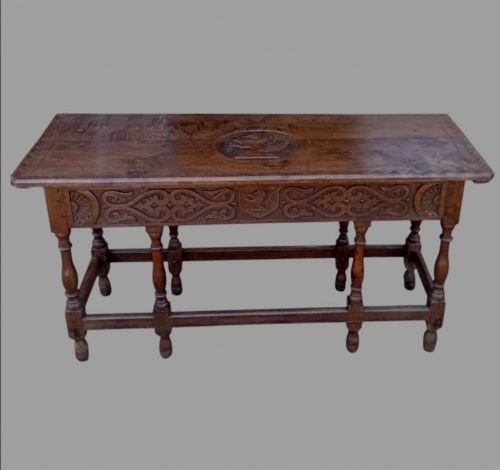
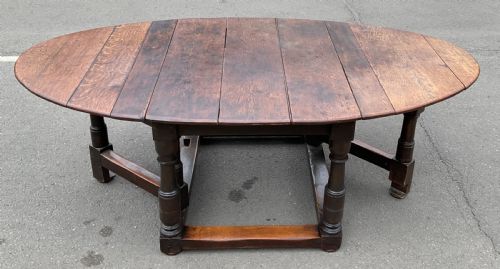
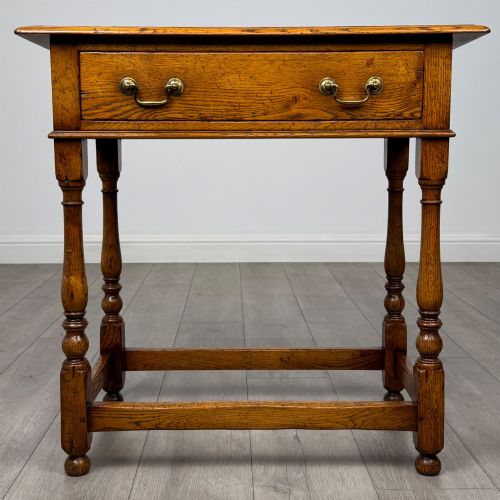
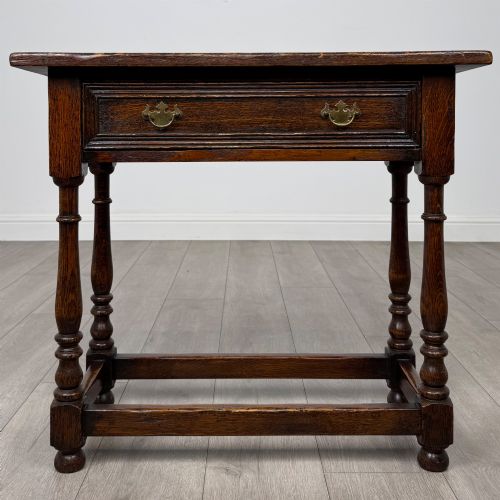
Jacobean Turned Leg Table
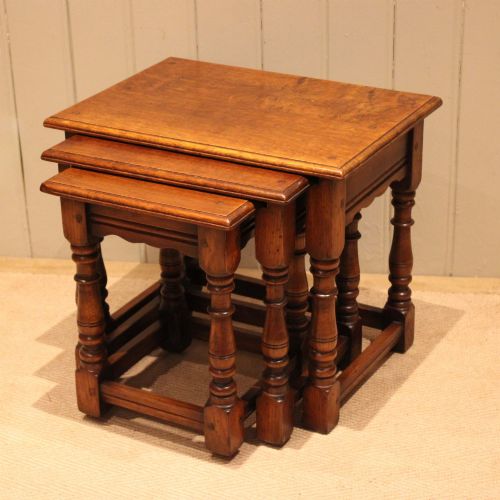
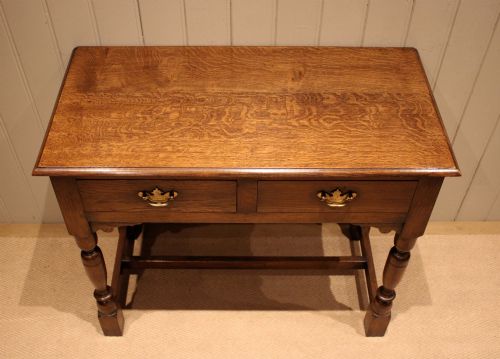
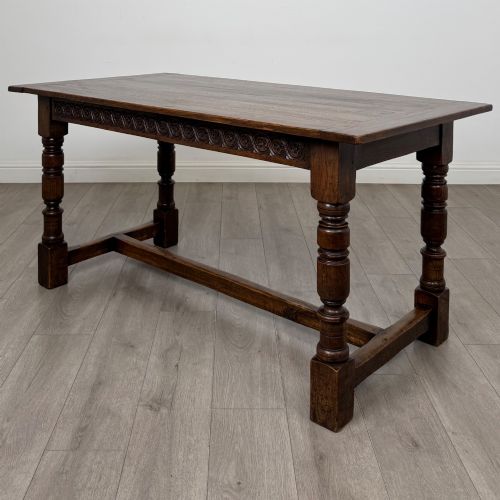
These jacobean turned leg table pieces combine sturdy timber construction with distinctive character, offering practical surfaces for daily use.
Jacobean Turned Leg Table
A jacobean turned leg table brings historical timber furniture into modern interiors through practical forms like side tables, coffee tables, and dining tables. These pieces originate from multiple periods, stretching from the seventeenth century through to the Edwardian era and the 1920s.
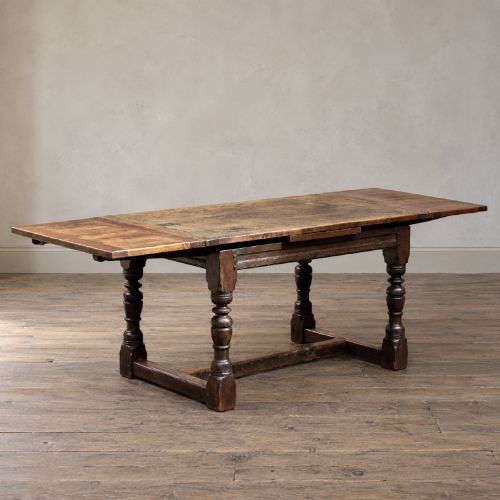
The selection on this page focuses heavily on oak, alongside solid oak, yew wood, and elm. Alongside traditional side and dining formats, buyers encounter gateleg tables, draw-leaf extending tables, and joint stools matching the jacobean turned leg table search.
Many examples date from the early twentieth century as revival pieces, adopting seventeenth-century English styles, Charles II influences, and Jacobean Revival motifs. These sit alongside authentic seventeenth-century survivals, presenting distinct visual periods within the same furniture group.
How They Were Made
Construction relies predominantly on native hardwoods, with oak forming the backbone of the tradition, supplemented by yew wood and elm for specific tops and secondary components. Artisans utilised solid timber planks joined simply and effectively for everyday use.
Legs and supports take shape through manual turning on lathes, producing bobbin, baluster, and geometric profiles. These turned elements provide both structural strength and decorative rhythm beneath plain or moulded tabletops.
Listings feature solid oak, yew wood, and elm across periods spanning the seventeenth century, the Edwardian era, and the 1920s.
What Varies in Quality
Quality rests upon the integrity of the timber and the depth of the original patina developed over generations of use. Surfaces that retain authentic wear show superior character compared to later interpretations.
Proportion and the execution of the turned legs dictate the visual success of the piece. Crispness in the lathe work and balanced scaling between the tabletop and the underframe separate standard examples from finer works.
The Jacobean Turned Leg Table Glossary
- Jacobean Revival
- A nineteenth and twentieth century style that copies the heavy carved ornament and dark finishes of early seventeenth-century English furniture. Makers often utilised oak to recreate authentic seventeenth-century aesthetics.
- Gateleg table
- A table featuring hinged leaves supported by swing-out legs that pivot from the frame. This clever mechanism allows the surface to expand or contract depending on the room.
- Joint stool
- A low wooden seat constructed with mortise and tenon joints using pegs rather than glue. These sturdy items predate chairs in many households and double as small occasional tables.
- Draw-leaf table
- An extending dining table with two pull-out leaves stored beneath the main top. The central surface remains stable while the leaves slide out to extend the length.
- Bobbin turning
- A type of lathe work producing a series of rounded, spool-like shapes along the length of a furniture leg. This decorative turning style appears frequently on seventeenth-century gateleg supports.
Jacobean Turned Leg Table: Frequently Asked Questions
How do I spot a reproduction?
Examine the timber shrinkage, tool marks, and construction methods used beneath the tabletop. Seventeenth-century originals display hand-cut joinery and natural wear patterns built up over centuries.
Twentieth-century revival pieces often reveal machine-sawn timber and uniform finishing. Look closely at the patina and the underside of the boards to determine age.
Can I use these tables daily?
Solid oak and elm tables handle regular daily use well thanks to their robust timber construction. Their durable surfaces suit modern dining rooms, hallways, and living spaces.
Protect the historic wood from excess moisture and direct heat. Use coasters and placemats to preserve the original finish.
How do I care for antique oak?
Maintain the timber by dusting with a dry cloth and applying natural beeswax occasionally. Avoid modern silicone sprays that build up and damage the historic surface.
Keep tables away from direct radiators and rapid humidity changes. Stable indoor conditions prevent the old wood from splitting or warping.