






Early Oak Occasional Table
An early oak occasional table is a compact surface built for utility, offering sturdy timber and honest construction for daily use.
Early Oak Occasional Table
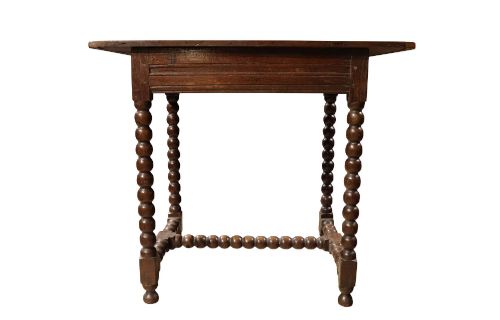
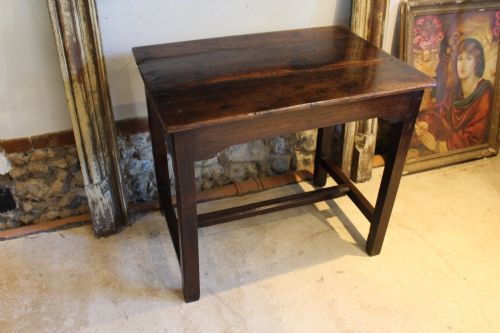
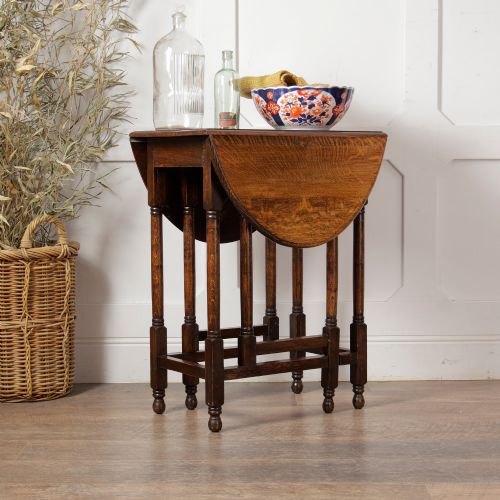
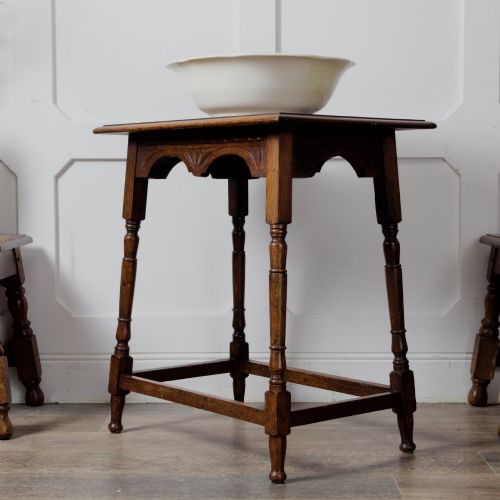
An early oak occasional table serves as a portable surface for domestic tasks, spanning forms such as side tables, tripod tables, cricket tables, lowboys and gateleg tables. These items appear across centuries, running from the seventeenth century through the Georgian and Victorian eras into the twentieth century with revivals.
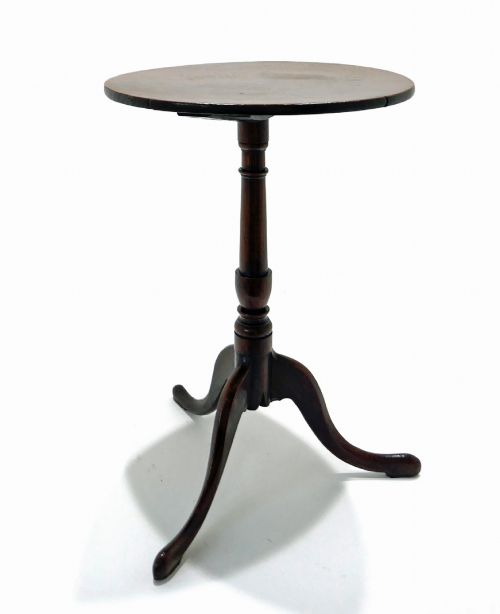
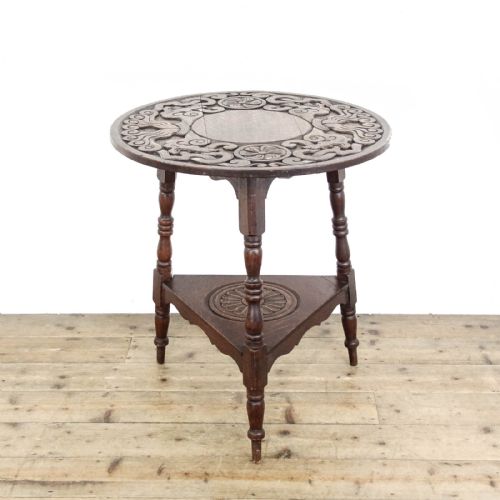
The most common formats on this page are side tables and tripod tables, alongside cricket tables with three splayed legs. Buyers also encounter lowboys and occasional tables built from solid timber with occasional secondary woods like elm or fruitwood.
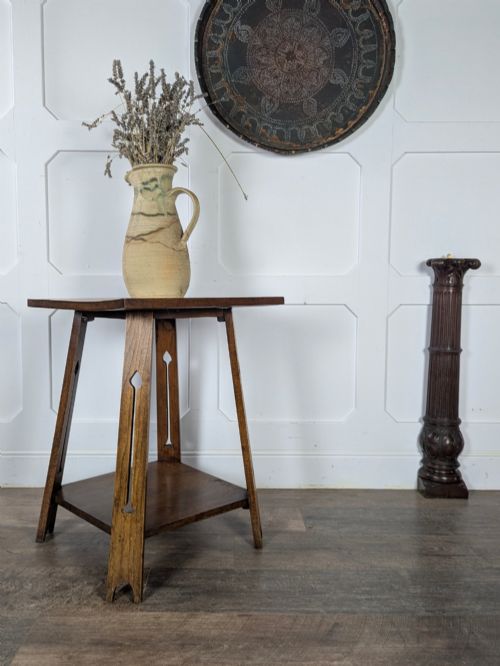
Origins range from English country workshops to French examples, incorporating styles like Jacobean, Georgian, Gothic Revival and Arts and Crafts. Pieces scale down to small formats intended to fit beside seating or in hallways.
How they were made
Makers built these pieces primarily from solid oak, sometimes combining it with elm, fruitwood, teak or brass hardware. Timber selection prioritised durability, utilising native hardwoods that withstood heavy household service.
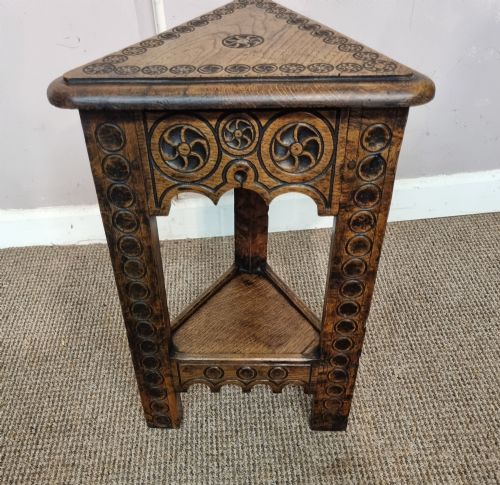
Joinery techniques relied on pegged mortise and tenon joints, turned legs, and slender central columns on tripod bases. Carved decoration, turning and tilt-top mechanisms appeared depending on the period, from plain seventeenth-century boards to elaborate nineteenth-century revival carving.
Early Oak Occasional Table Retail Price Guide 2026
Typical asking prices for early oak occasional table among the pieces listed under this phrase on Sellingantiques today, from the lower quarter to the upper quarter. They describe what is for sale here now, not the wider market.
Listings span multiple eras from the 17th century through the 18th, 19th and 20th centuries, featuring oak, elm, fruitwood and brass.
What varies in quality
The standard of timber and execution sets examples apart, distinguishing workshop pieces with careful proportion and balanced grain from heavier utilitarian items. Crispness of hand-carved detail and the integrity of original structural joints determine the tier of a piece.
Proportion and surface finish dictate how successfully a table wears its age, where patination developed through centuries of use enhances the material rather than masking alterations.
The Early Oak Occasional Table Glossary
- Cricket table
- A small three-legged round table with splayed legs, traditionally used on uneven flagstone floors.
- Lowboy
- A small oak or walnut table with one or more drawers, often acting as a dressing table or side table.
- Gateleg table
- A table with drop leaves supported by hinged legs that swing out like a gate.
- Tripod table
- A small table standing on a central pillar supported by three feet.
- Joint stool
- A sturdy wooden stool constructed with mortise and tenon joints, serving as a seat or auxiliary surface.
Early Oak Occasional Table: Frequently Asked Questions
Where should I place an early oak occasional table?
These tables suit hallways, beside armchairs in a sitting room, or as lamp stands where a compact surface is required.
Their restrained proportions allow them to fit into tight corners without dominating a room.
How do I clean an old oak table?
Dust the surface regularly with a dry soft cloth and avoid modern silicone polishes that build up over time.
Apply a traditional beeswax occasionally to nourish the dry timber.
Can I use an antique oak table daily?
Solid oak construction makes these tables robust enough for everyday household use, holding cups, books and lamps.
Use coasters to protect older finishes from moisture rings.
How can I tell a seventeenth century table from a revival piece?
Seventeenth-century examples display hand-split timber, pegged joinery and authentic tool marks developed through primitive workshop methods.
Revival pieces from later centuries often show mechanical saw marks and standardised turned components.