

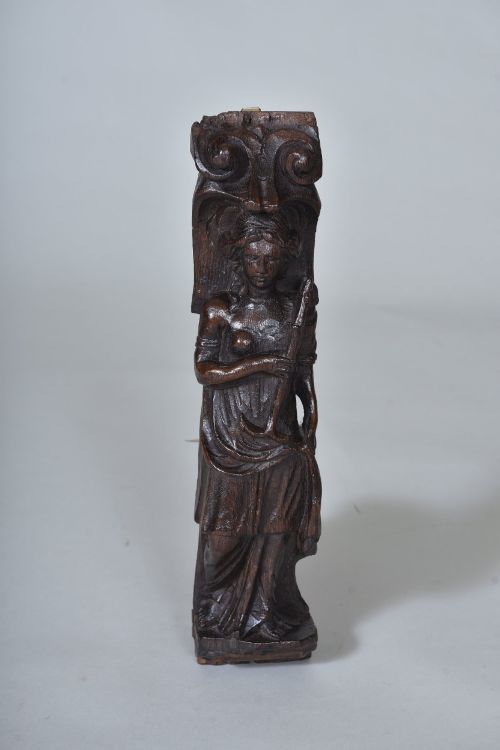
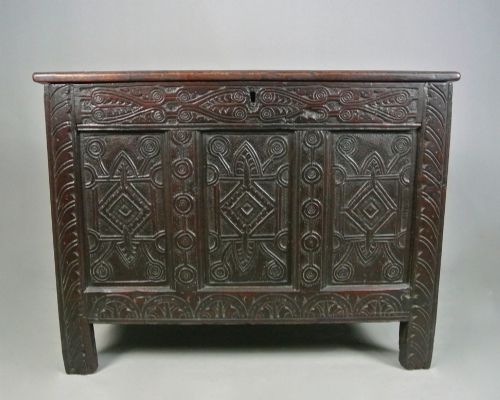
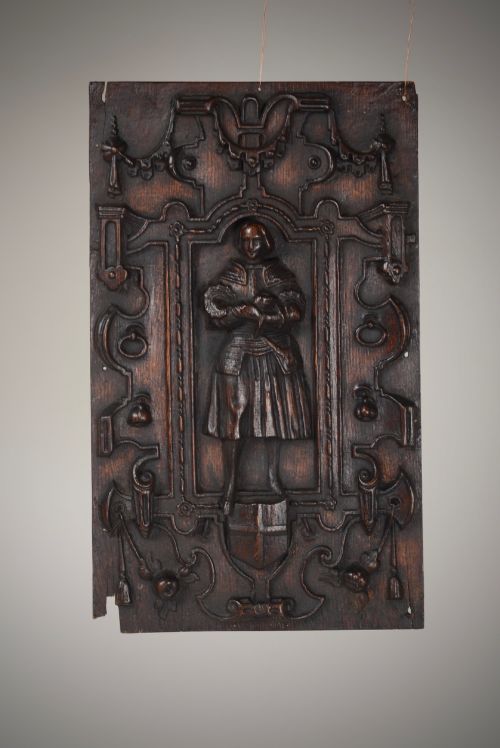
Jacobean Oak Panel Carving
Jacobean oak panel carving brings dense timber and hand-chiselled geometric motifs into an interior, offering robust storage and historic presence.
Jacobean Oak Panel Carving
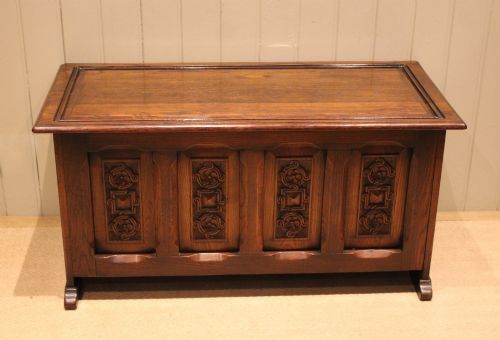
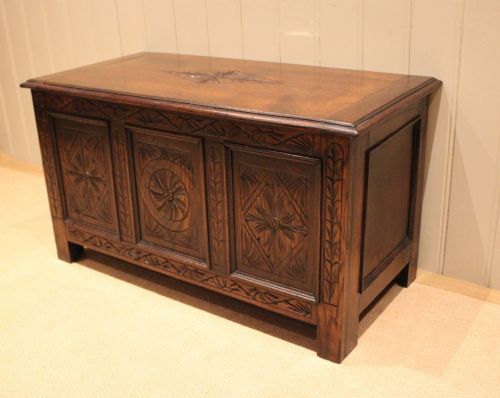
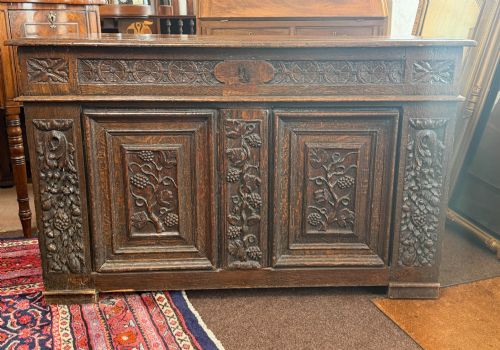
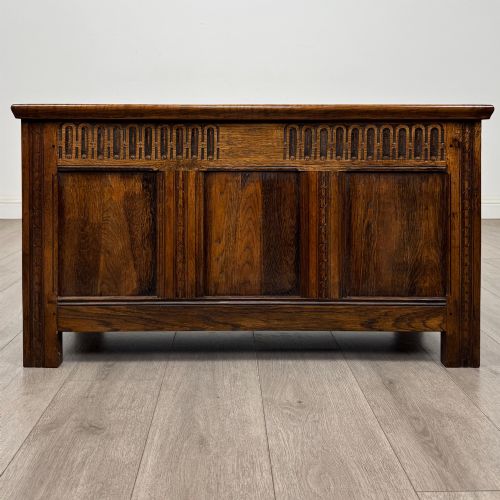
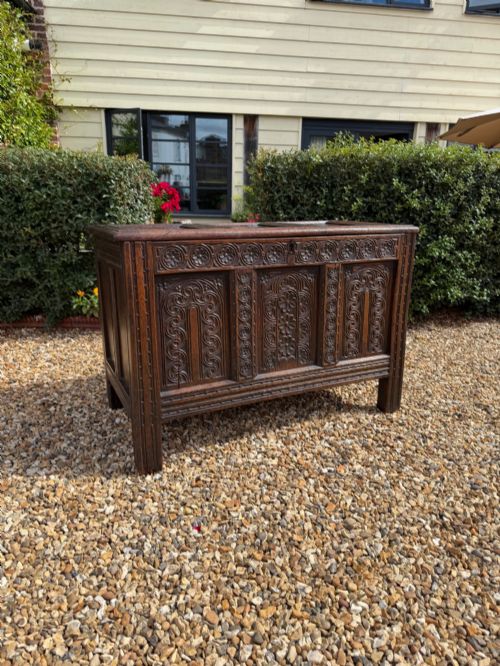
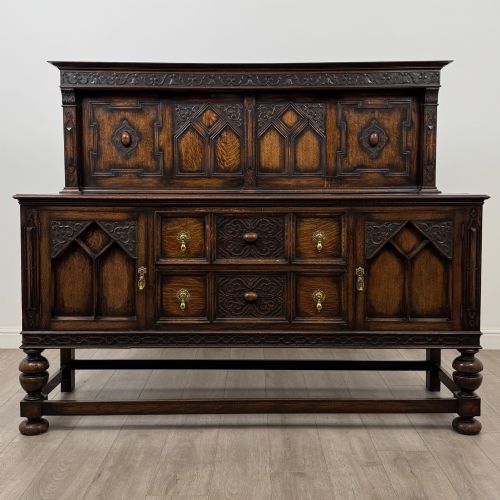
When you search for jacobean oak panel carving, you encounter sturdy storage chests, wainscot armchairs, sideboards, and architectural panels dating from the seventeenth century onward. The selection spans authentic early pieces from the sixteen-hundreds alongside later revivals from the Edwardian era, Victorian period, and nineteen-thirties.
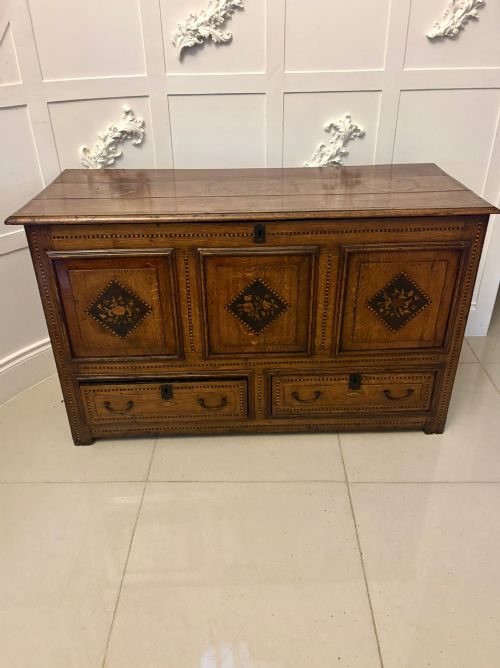
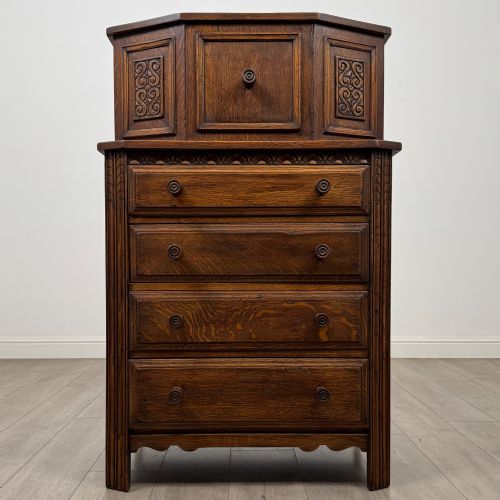
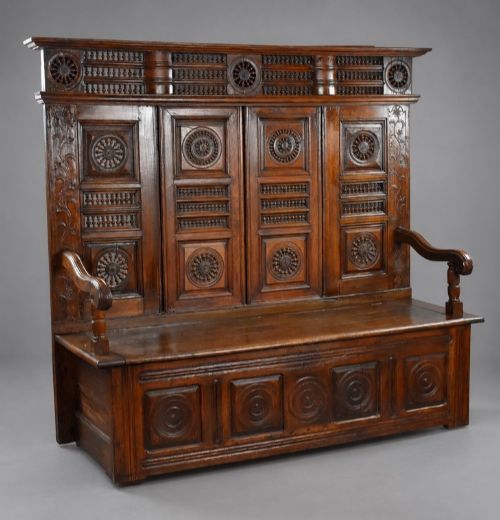
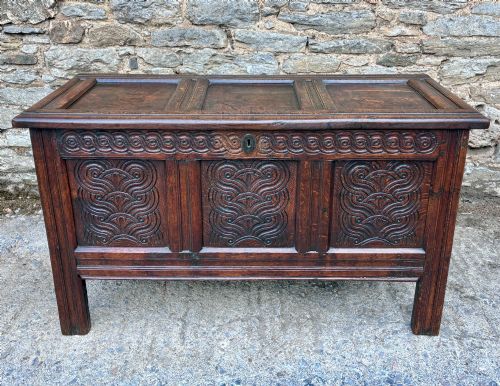
Coffers and mule chests dominate the available forms, often featuring panelled construction and relief carving upon the timber. Buyers also meet cupboards, chests of drawers, and hall benches that incorporate similar historic panel motifs into domestic furniture.
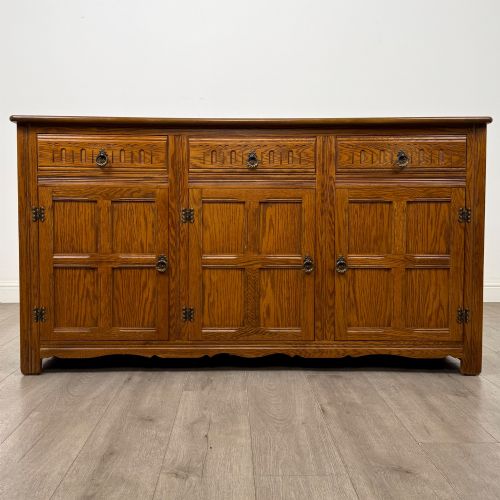
The periods represented stretch from the sixteenth and seventeenth centuries through to twentieth-century revivals styled after the Jacobean and Charles II eras. Authentic seventeenth-century examples sit alongside later nineteenth- and twentieth-century interpretations.
Grading Quality
Quality rests upon the crispness of the hand-carving and the integrity of the original timber construction. Pieces from the period command attention through deep relief work and untouched surface patination.
Revival pieces from later centuries vary according to the fidelity of their stylistic execution and the weight of the oak employed. Finer examples retain period hardware and unblemished panel joins.
The Jacobean Oak Panel Carving Glossary
- Coffer
- A large wooden chest used for storage, typically constructed with panelled sides and a hinged lid. These form a major part of early oak furniture.
- Wainscot Armchair
- A heavy wooden chair made primarily of oak, featuring panelled backs and solid armrests popular in the seventeenth century. They display substantial joined construction.
- Linenfold
- A style of relief carving used on wooden panels to imitate folded linen fabric. It appears frequently on sixteenth and seventeenth-century pieces.
- Marquetry Inlay
- The art of applying pieces of veneer to a structure to form decorative patterns. This technique enhances certain mule chests and storage pieces.
Jacobean Oak Panel Carving: Frequently Asked Questions
What is a wainscot armchair?
A wainscot armchair is a heavy wooden seat constructed from oak during the seventeenth century or later revival periods. They feature solid panelled backs and sturdy armrests designed for domestic halls.
These chairs represent early joined furniture techniques, utilising mortise and tenon joints secured with wooden pegs rather than metal fasteners.
How do I identify a seventeenth-century coffer?
Seventeenth-century coffers display hand-carved panels, pegged frame construction, and heavy oak boards that show age-related wear and patination. Secondary woods are absent in authentic early examples.
Examining the interior reveals hand-tooled surfaces and older hand-forged iron hinges, distinguishing genuine period pieces from later nineteenth or twentieth-century revivals.
Where were oak panel carvings placed?
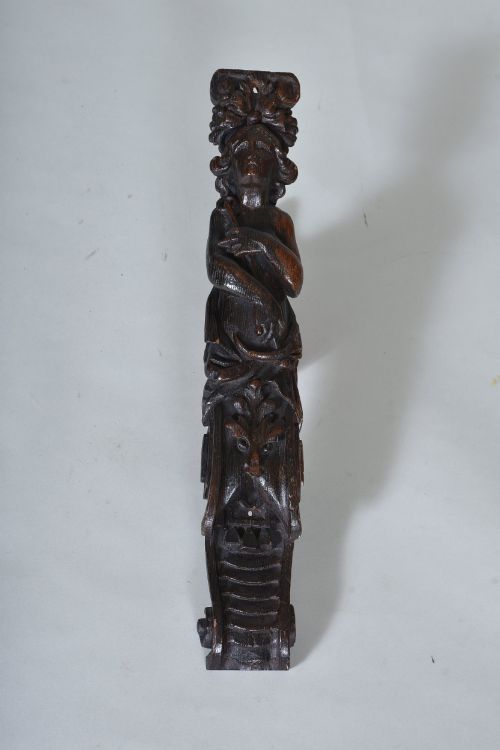
Oak panel carvings were integrated into furniture such as coffers, sideboards, and cupboards, or mounted directly onto walls as overmantel panels. They served both decorative and architectural functions in period homes.
In living spaces, carved panels added texture and reflected the status of the household through intricate geometric or figurative motifs.
What is linenfold carving?
Linenfold is a specific type of relief carving that mimics the appearance of vertical folds of cloth. It adorns wooden panels on early furniture and architectural woodwork.
This technique requires precise chisel work to create the illusion of fabric texture on a rigid oak surface, characteristic of sixteenth and seventeenth-century aesthetics.