


Antique Wooden Figure Sculpture
An antique wooden figure sculpture brings centuries of carved character into a room, spanning Continental saints, Black Forest animals, and Asian deities.
Antique Wooden Figure Sculpture
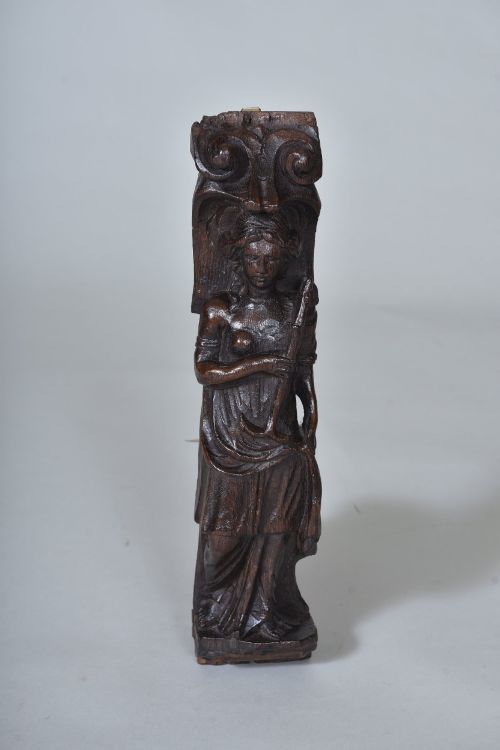
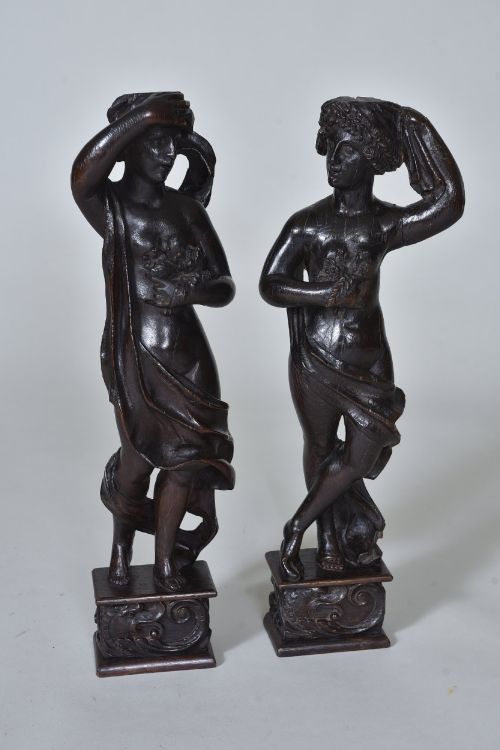
An antique wooden figure sculpture covers a vast geographic and temporal range, from sixteenth-century European devotional oak carvings to twentieth-century folk art and animal studies. When searching for this phrase, collectors encounter Continental saints, Japanese bears, Chinese immortals, and nineteenth-century trade figures carved from various timbers.
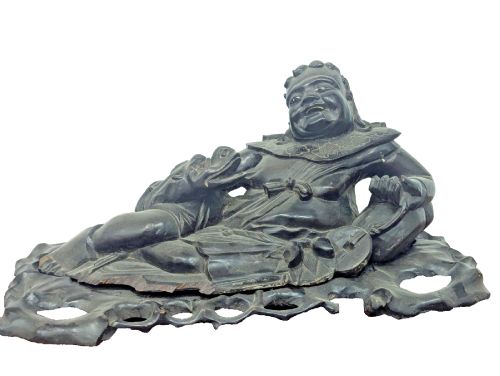
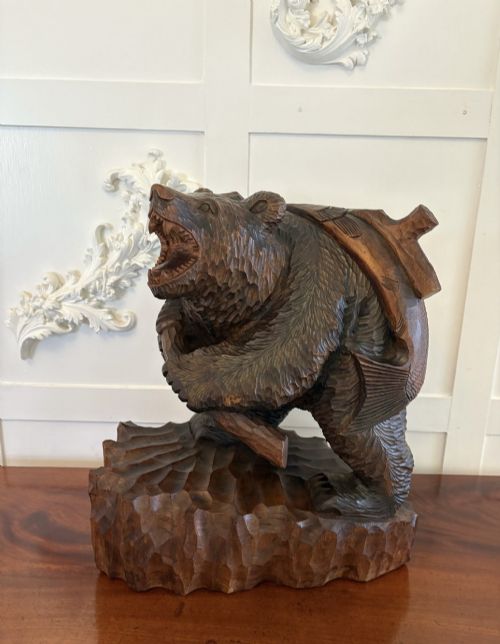
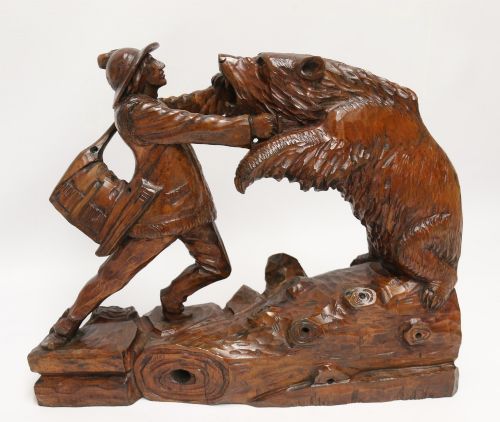
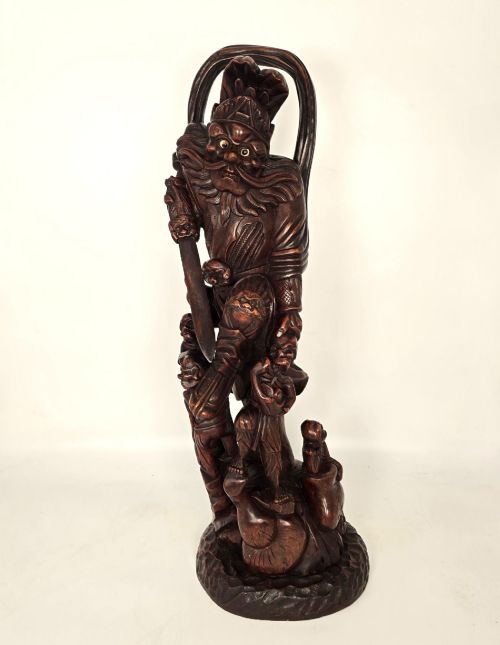
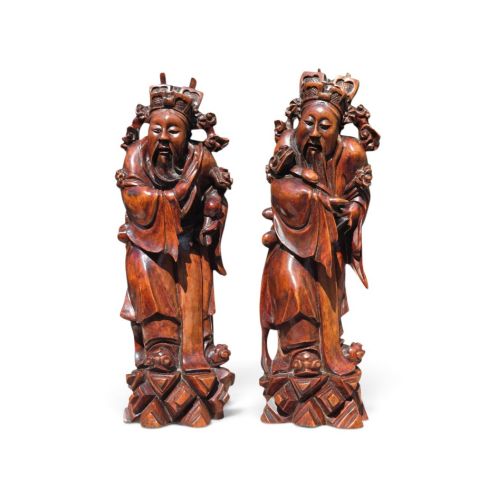
The pieces appearing on this page lean heavily towards European regional works, particularly Black Forest linden wood carvings of animals and figures, alongside eighteenth and nineteenth-century religious fragments. Alongside these sit Qing Dynasty hardwood deities and Japanese folk art representations, offering a diverse array of sculptural forms.
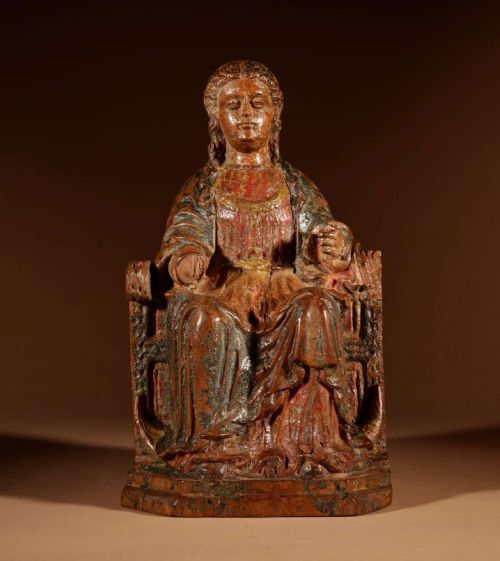
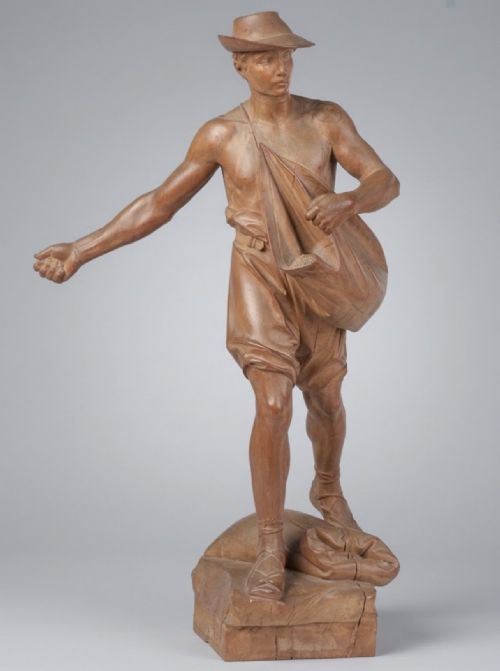
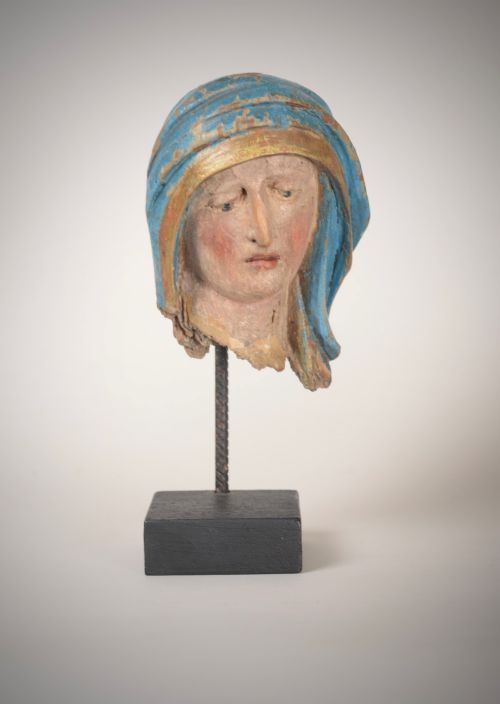
Religious figures form a substantial portion of the selection, including seventeenth-century oak Madonnas, polychromed saints, and Corpus Christi figures. Secular subjects are equally prevalent, ranging from carousel horses and tobacco shop figures to life-sized Continental nobility and detailed animal groups.
How they were made
Makers utilised regional timbers suited to detailed carving, relying primarily on oak for early European figures, linden wood and fruitwood for Black Forest and Alpine pieces, and dense hardwoods for Asian sculptures. Walnut and olive wood also appear in specific Continental devotional pieces, chosen for their grain and stability.
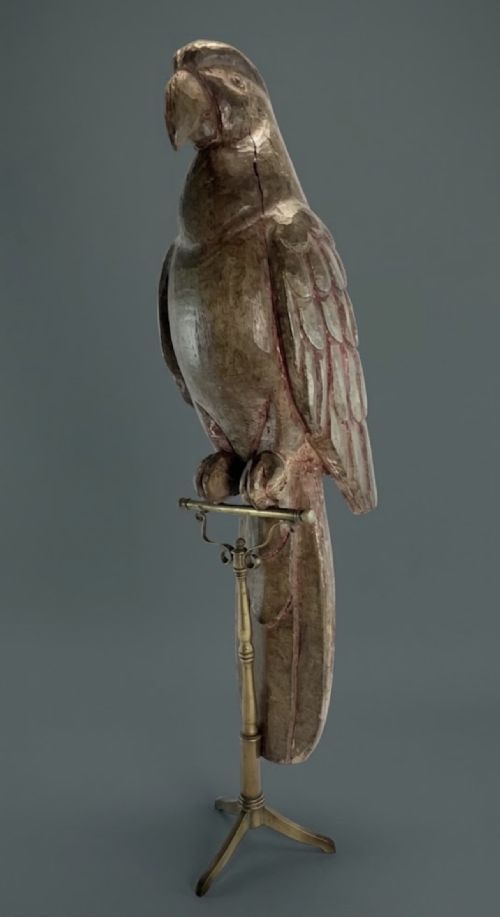
Listings include European devotional oak carvings, Asian hardwood deities, and nineteenth-century Black Forest linden wood animal groups.
What varies in quality
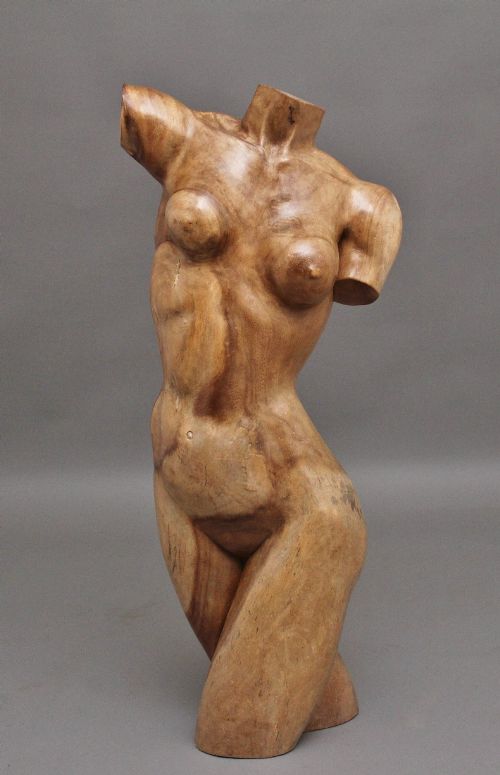
Proportion and stance dictate the visual success of a sculpture, separating rigid decorative objects from dynamic works of art. The integration of the figure with its original base or stand further elevates the piece, preserving the intended context of the carver's work.
J HUGGLER
The Antique Wooden Figure Sculpture Glossary
- Polychrome
- Painted in several colours. This surface treatment is frequently found on devotional figures and Asian deities to render garments and flesh tones lifelike.
- Black Forest
- A nineteenth-century style of wood carving originating from the Brienz region of Switzerland. These pieces typically feature realistic animals and human figures rendered in linden wood.
- Gesso
- A plaster-like mixture applied to wood as a base for paint or gold leaf. It provides a smooth ground for delicate surface decoration.
- Corpus Christi
- Latin for body of Christ. This term describes a sculpted figure of Jesus on a cross.
- Shabti
- A small funerary figure placed in ancient Egyptian tombs. Later examples appear as Grand Tour souvenirs carved in wood.
Antique Wooden Figure Sculpture: Frequently Asked Questions
How old is my wooden figure?
Dating relies heavily on the choice of wood, tool marks left by the carver, and the style of the clothing or subject matter. Earlier pieces from the seventeenth century typically utilise heavy oak with deep hand-cut facets, while later nineteenth-century works often employ linden wood or fruitwood.
Secondary clues include the presence of original polychrome paint, gesso layers, or shrinkage splits that develop over centuries. Comparing the sculptural style to documented regional traditions helps narrow down the decade of creation.
What is Black Forest carving?
Black Forest carving refers to highly detailed wooden sculptures produced in Switzerland and the German border region during the nineteenth and early twentieth centuries. These pieces are usually carved from linden wood and frequently depict bears, dogs, goats, and human figures.
The style is celebrated for its naturalistic textures, capturing fur and muscle with precision. Many of these sculptures functioned as practical objects such as umbrella stands, clocks, or furniture.
How should I clean antique wood?
Dusting with a dry, soft-bristled brush is the safest method to remove debris from deep recesses and carved details. Avoid using water, household detergents, or modern polishes, which can strip historic wax finishes and damage fragile polychrome surfaces.
If the wood appears exceptionally dry, a light application of microcrystalline wax can nourish the surface without attracting dust. Professional conservation is recommended for pieces with flaking paint or loose elements.
Where were religious figures displayed?
Devotional figures carved from wood were traditionally housed in domestic shrines, private chapels, or churches across Europe. Smaller pieces served as personal objects of contemplation, while larger figures formed parts of architectural altarpieces.
Many survived through the centuries by being passed down within families or preserved in monastic collections. Their original placement often dictated whether the back of the sculpture was fully carved or left flat.