
Dark Oak Architectural Carving
Dark oak architectural carving brings deep timber relief and structural history into an interior, sourced from salvage, panels and church furnishings.
Dark Oak Architectural Carving
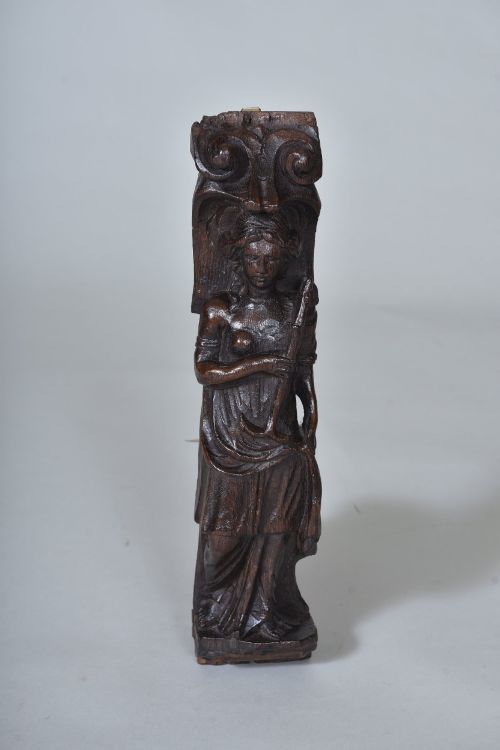
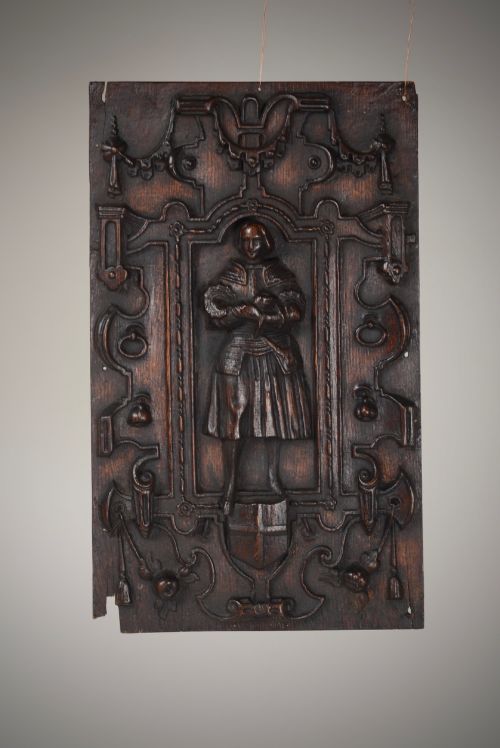
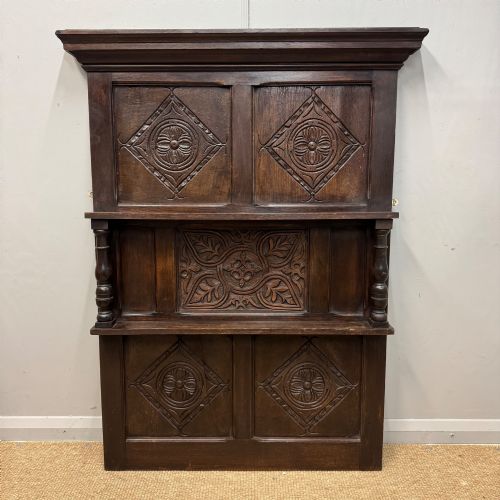
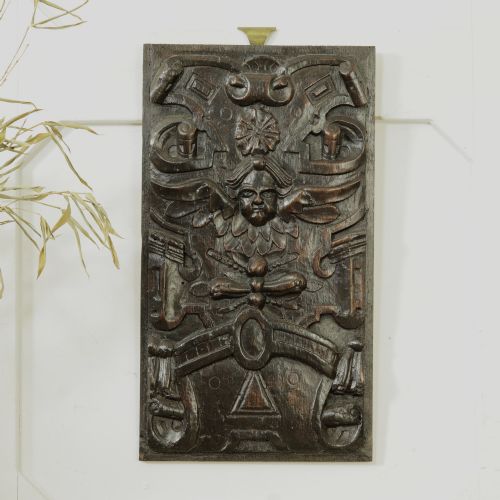
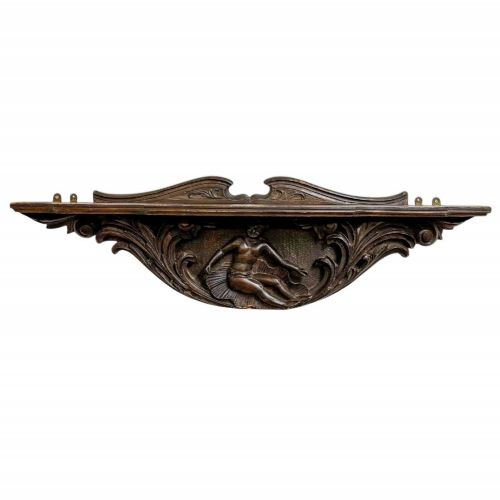
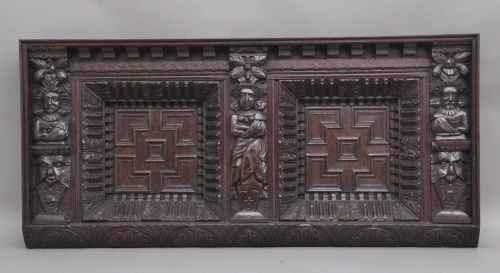
Dark oak architectural carving encompasses heavy timber elements salvaged from buildings, churches and grand interiors. Buyers searching for dark oak architectural carving typically encounter wall panels, overmantles, friezes and church fragments derived from sixteenth, seventeenth and nineteenth century contexts.
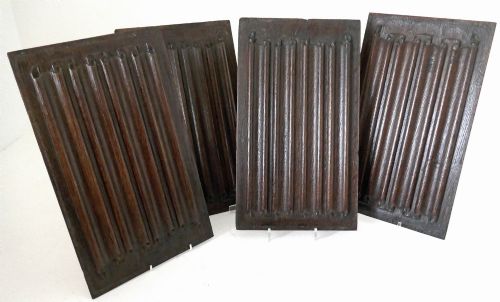
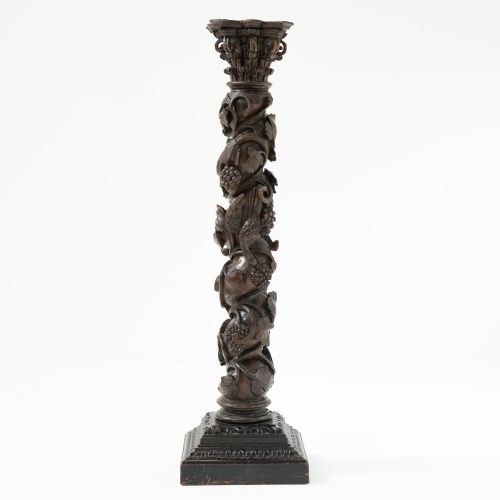
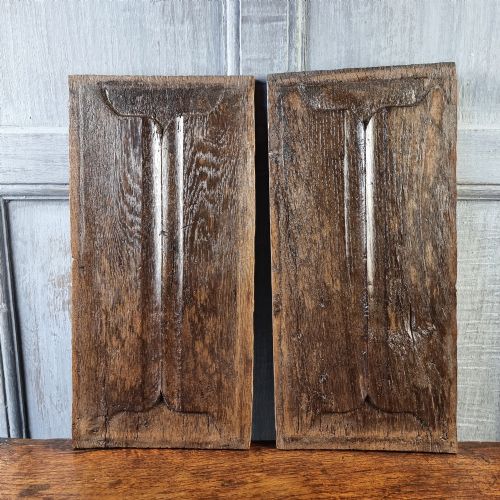
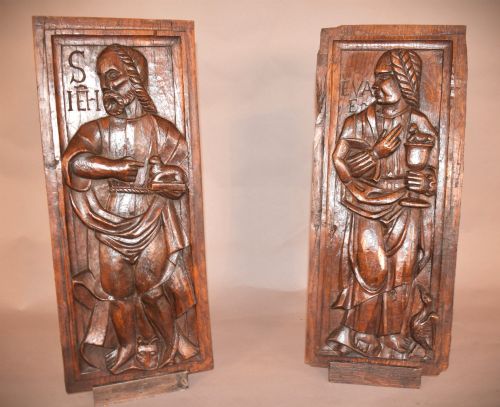
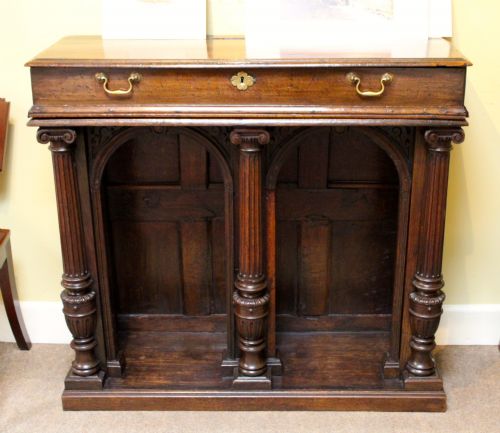
The selection ranges from linenfold and parchemin panels to figural reliefs, caryatids, lion newel post finials and solid oak pedestals. Many pieces originate from English, Flemish, German and Dutch workshops, spanning Tudor origins through to Victorian Gothic revivals.
Materials and Technique
Makers utilised solid oak, walnut and heavy timber, applying deep hand-carving and high-relief chiselling directly into the dense grain. Surfaces display pierced acanthus leaves, heraldic motifs and figural subjects shaped with gouges and chisels.
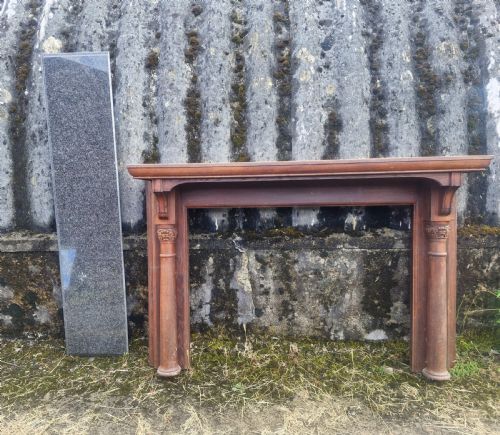
Structural elements integrate glass, brass and iron where components function as mirrors, fire surrounds or wall brackets. Age and historical patination manifest through the darkened tone of the timber.
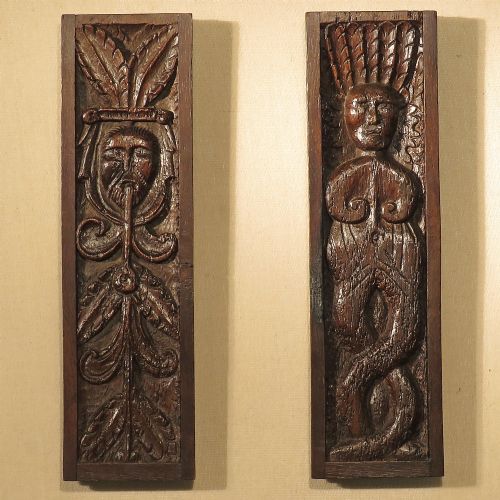
Stray medieval lions and sixteenth-century green men watch over the collection from their posts.
Evaluating the Carving
Quality rests in the crispness of the hand-carved detail and the depth of the relief work. Pieces attributed to skilled hands display expressive faces, sharp foliate undercut and well-defined proportions rather than soft, mechanical repetition.
Integrity of the timber grain and the survival of the original structural form distinguish superior architectural salvage. The depth of the dark oak patina and the complexity of motifs such as green men or allegorical figures elevate individual panels.
Edward Pearce
The Dark Oak Architectural Carving Glossary
- Linenfold
- A style of wood panel carving resembling folded cloth or parchment. This motif appeared frequently on sixteenth-century panels.
- Solomonic
- A helical or twisted column shaft resembling a spiral. These columns occur on seventeenth-century pedestals and architectural surrounds.
- Caryatid
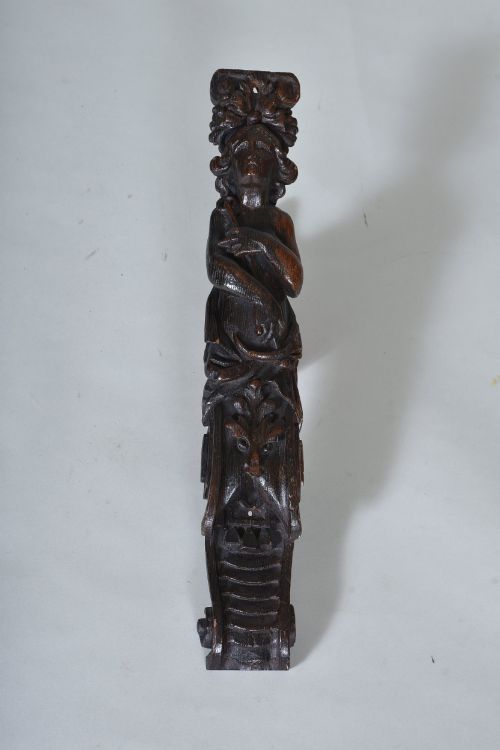
- A sculpted female figure serving as an architectural support instead of a column. They appear on sixteenth and seventeenth-century carved panels.
- Corbel
- A structural piece of stone or timber projecting from a wall to support a weight. Pairs of oak corbels provide structural and decorative bracing.
Dark Oak Architectural Carving: Frequently Asked Questions
How were these carvings used originally?
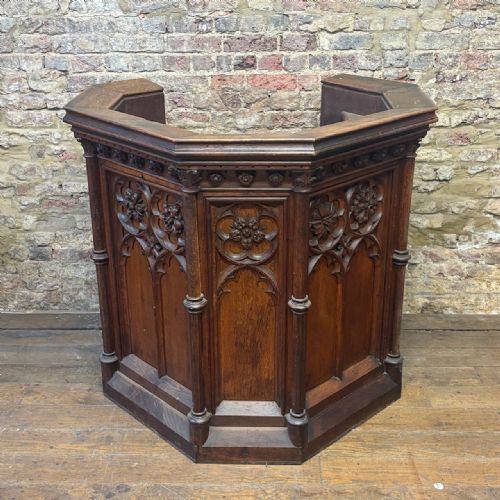
These elements served as structural and decorative components within churches, state rooms and domestic halls. They functioned as wall panels, overdoors, friezes and pulpits.
Craftsmen integrated them into staircases, mantelpieces and ceilings as bosses, corbels and armorial displays, combining structural support with heavy visual ornamentation.
How do I hang a heavy oak panel?
Heavy architectural carvings require secure wall fixings suited to the dense weight of solid oak and timber frames. Metal brackets or concealed battens attached to wall studs support the load safely.
Consulting a professional installer ensures the weight distributes evenly without damaging the antique timber or the wall structure.
How do I tell seventeenth century from nineteenth century?
Seventeenth-century pieces display tool marks from hand chisels, irregular dimensions and deep oxidised patination characteristic of early timber seasoning. The carving styles reflect authentic Baroque, Jacobean or Tudor traditions.
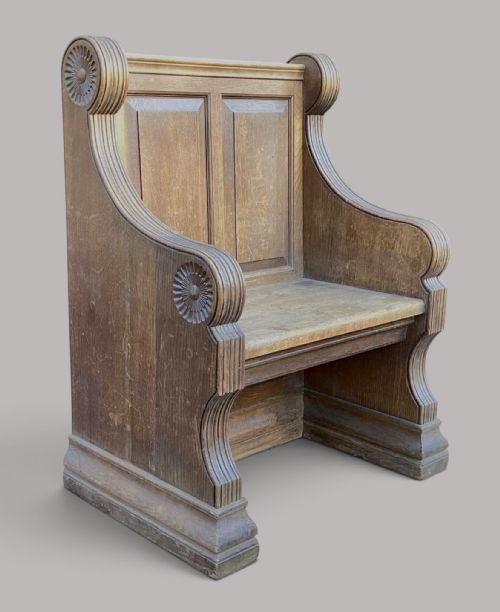
Nineteenth-century examples often emerge from the Gothic Revival movement, showing machine assistance or stylistic interpretations of earlier medieval forms alongside granite or modern fittings.
Can I use these outdoors?
Oak architectural carvings are intended for interior display where humidity and temperature remain stable. Exposing antique timber to weather causes warping, splitting and degradation of the dark patina.
Keeping them indoors preserves the original surface finish and structural integrity of the wood.