

Jacobean Moulded Drawer Chest
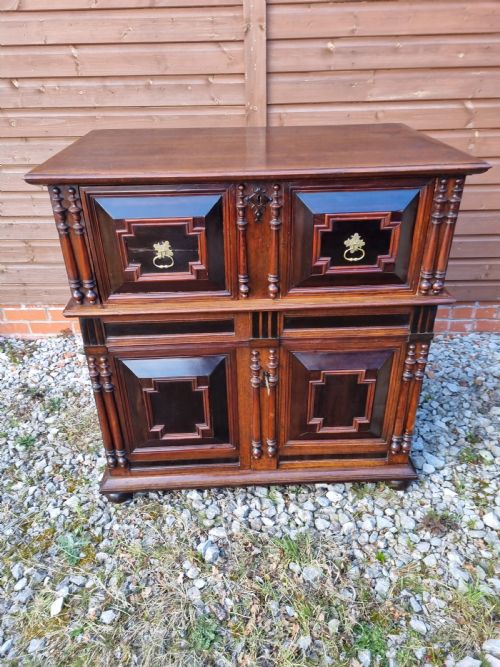
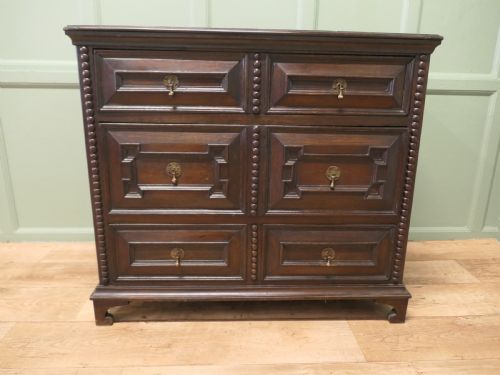
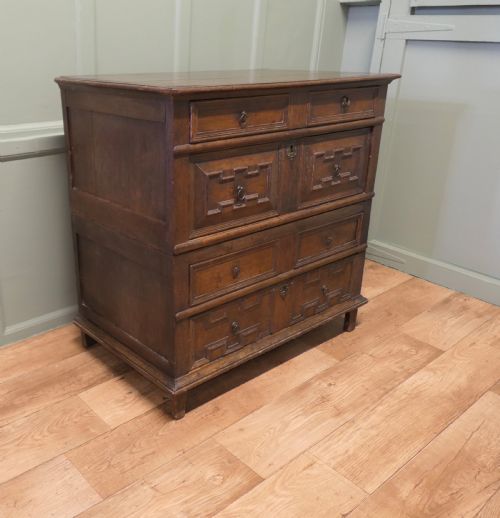
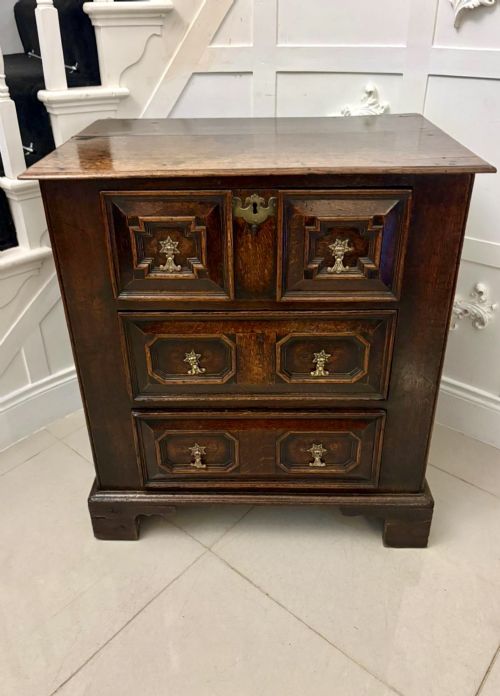
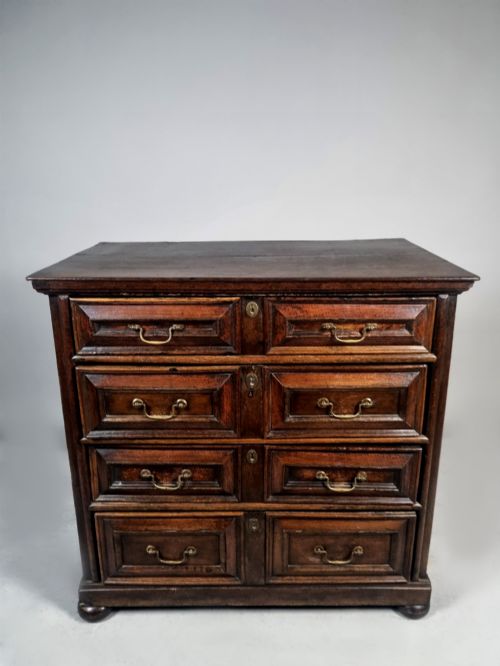
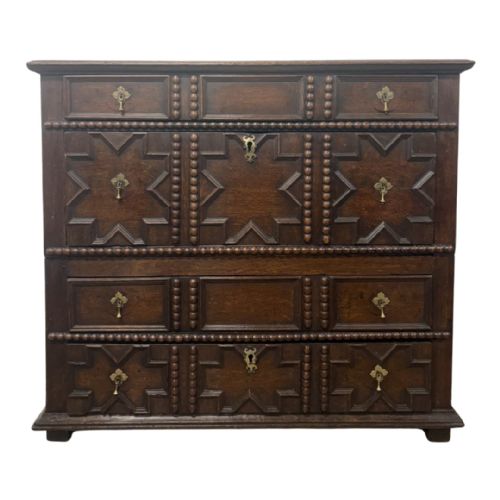
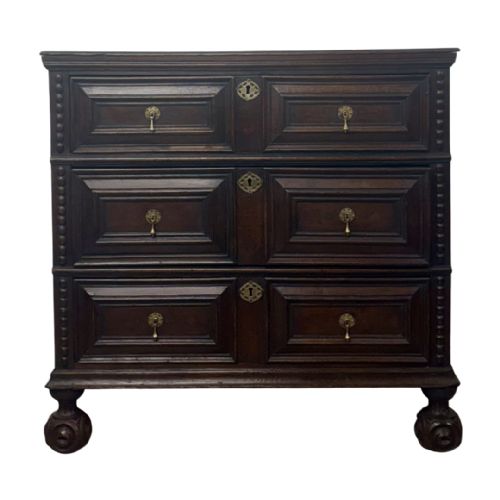
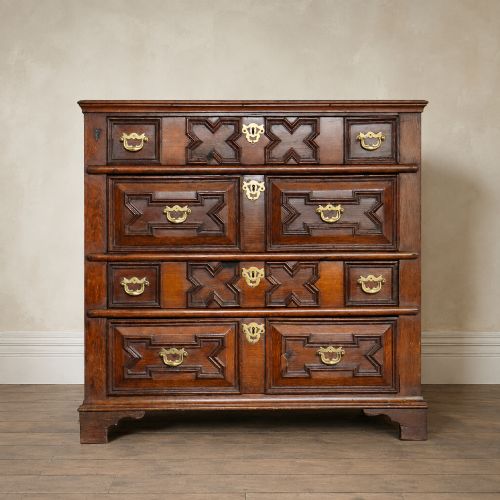
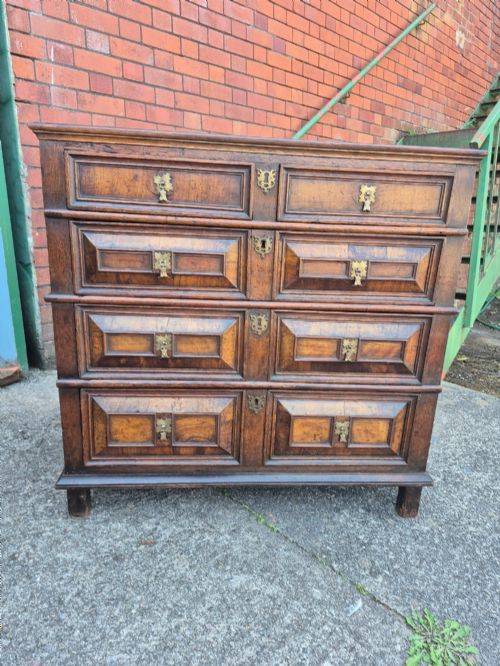
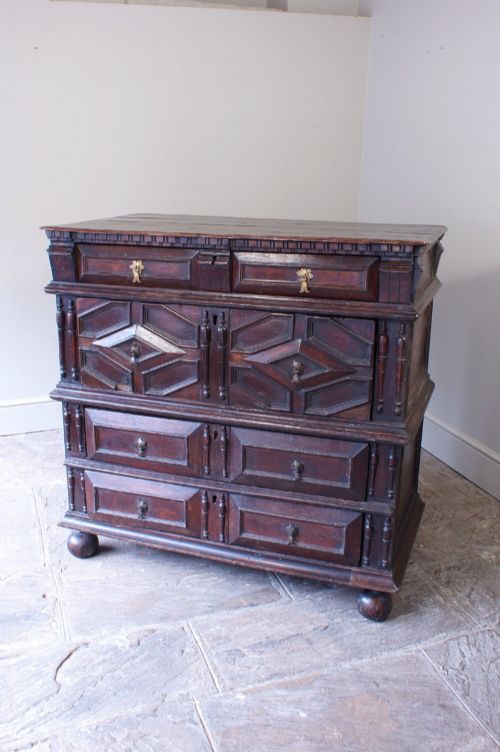
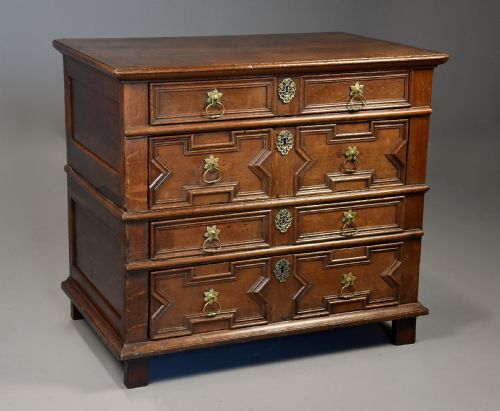
A jacobean moulded drawer chest offers robust seventeenth-century storage defined by striking geometric drawer fronts and honest timber construction.
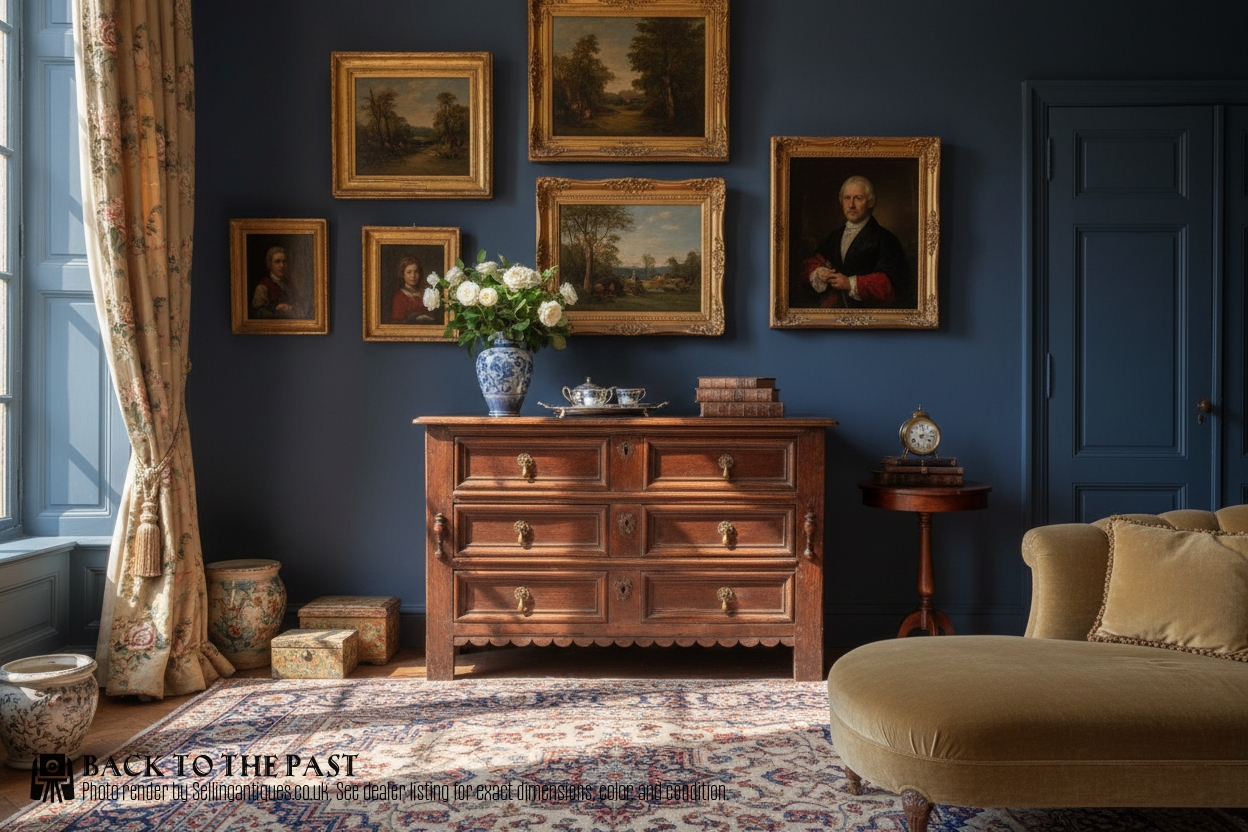
Jacobean Moulded Drawer Chest
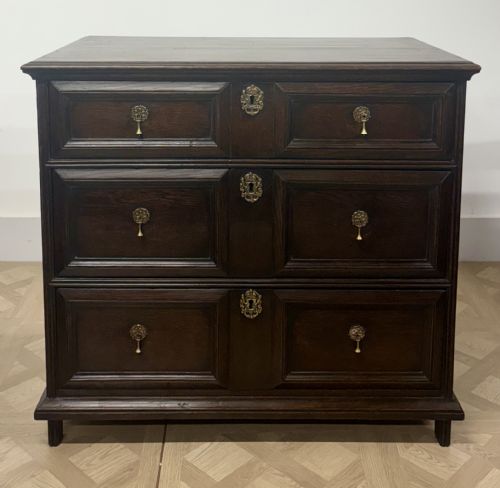
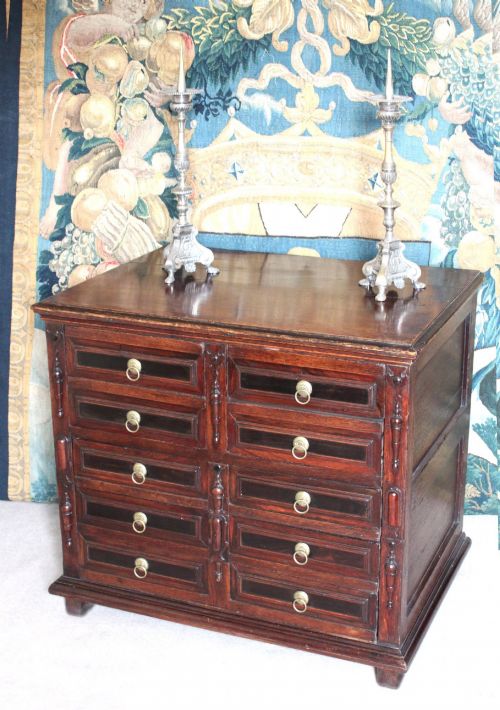
A jacobean moulded drawer chest is a sturdy timber storage piece typically originating from the seventeenth century, displaying characteristic low-relief geometric mouldings applied across the drawer fronts. These items span periods from the seventeenth century through to later revivals, though seventeenth-century examples dominate the selections.
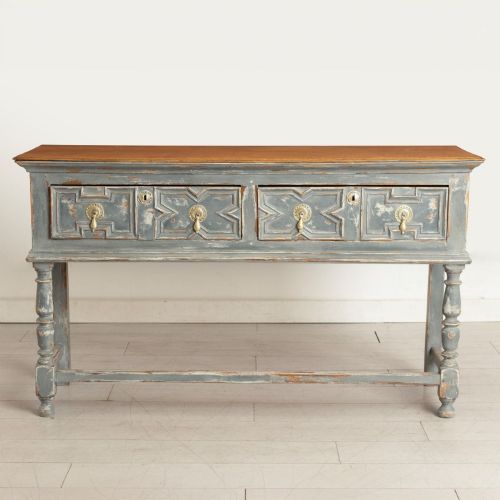
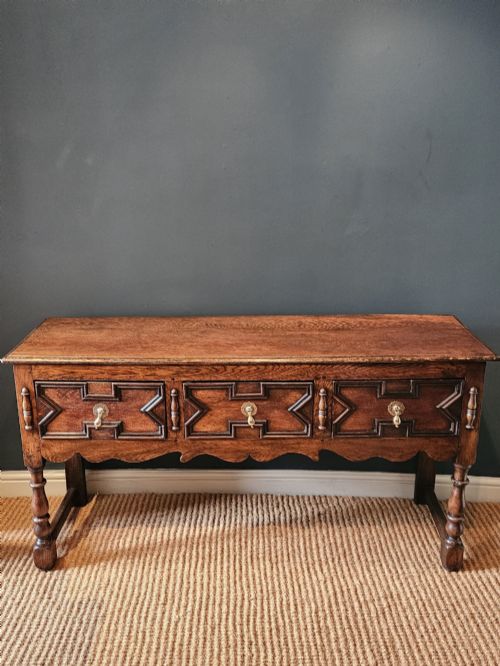
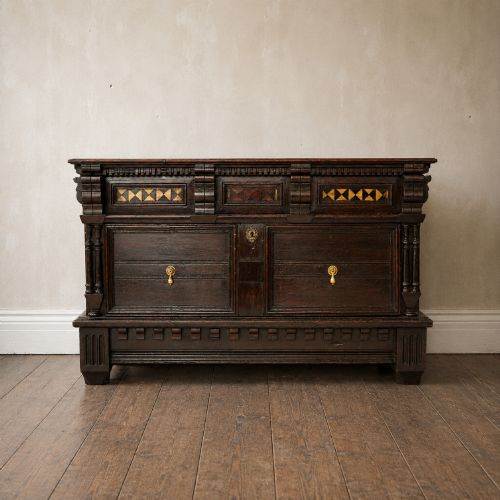
Most pieces appear in solid oak, occasionally combined with walnut, fruitwood, or oyster veneers, and built as single units or two-part chests. Alongside standard chests of drawers, buyers encounter related forms such as dresser bases and cabinets featuring similar geometric ornamentation.
How They Were Made
Carpenters built these chests primarily using solid oak, shaping timber with hand tools to form heavy framework and drawer boxes. Selected pieces incorporate decorative details in walnut, fruitwood, snakewood, or paint, alongside applied wood inlay.
Mouldings were meticulously shaped and fixed to drawer faces to create raised geometric panels, accompanied by brass hardware and iron fixings where appropriate.
Jacobean Moulded Drawer Chest Retail Price Guide 2026
Typical asking prices for jacobean moulded drawer chest among the pieces listed under this phrase on Sellingantiques today, from the lower quarter to the upper quarter. They describe what is for sale here now, not the wider market.
Listings feature oak, walnut, fruitwood, and oyster veneer across pieces dated from the seventeenth century to the early twentieth century.
What Varies in Quality
Quality rests on the integrity of the timber, the crispness of the geometric mouldings, and the survival of original surfaces such as faded patination or early brasses. Pieces retain greater appeal when alterations are minimal, distinguishing untouched period examples from those with later rebuilt cupboards or heavily restored elements.
The Jacobean Moulded Drawer Chest Glossary
- Geometric moulding
- Raised wooden strips applied to drawer fronts in repetitive patterns like squares, octagons, and rectangles. This technique defines the visual rhythm of seventeenth-century case furniture.
- Oyster veneer
- Thin circular or oval slices of branch wood arranged closely to form a decorative surface resembling oyster shells. It appears on select high-status pieces.
- Two-part chest
- A cabinet constructed in two separate stacking sections to ease transport up narrow staircases. This format is common in seventeenth-century English joinery.
- Dresser base
- A long low storage unit featuring drawers above, sharing construction methods and moulding styles with contemporary chests. They function well as sideboards in modern dining spaces.
- Patina
- The deep surface sheen developed by aged timber through decades of handling, wax application, and exposure to light. A desirable patination signals genuine age and minimal harsh stripping.
Jacobean Moulded Drawer Chest: Frequently Asked Questions
How do I date a moulded chest?
Examine the construction methods, timber choice, and style of the mouldings on the drawer faces. Seventeenth-century pieces typically show hand-split oak panels, pegged joints, and characteristic geometric patterns.
Later revival pieces from the early twentieth century often display machine-cut timber marks and different internal secondary woods. Compare the hardware holes and backboards to verify whether the components date from the same period.
Where should I place this chest?
Position your chest in a hallway, bedroom, or living room against a sturdy wall where its deep proportions and dark timber can anchor the space. Keep the piece away from direct heat sources and strong sunlight to protect the dry oak and delicate veneers.
Use the surface for simple displays of ceramics or books, allowing the front geometric mouldings to remain the primary visual focus.
How do I care for old oak?
Maintain the timber by dusting regularly with a soft, dry cloth and applying a traditional beeswax sparingly when the wood looks dry. Avoid silicone-based polishes, which can sink into the grain and harm the historic finish.
Maintain stable humidity levels in the room to prevent the solid oak panels and applied mouldings from shrinking or splitting.