
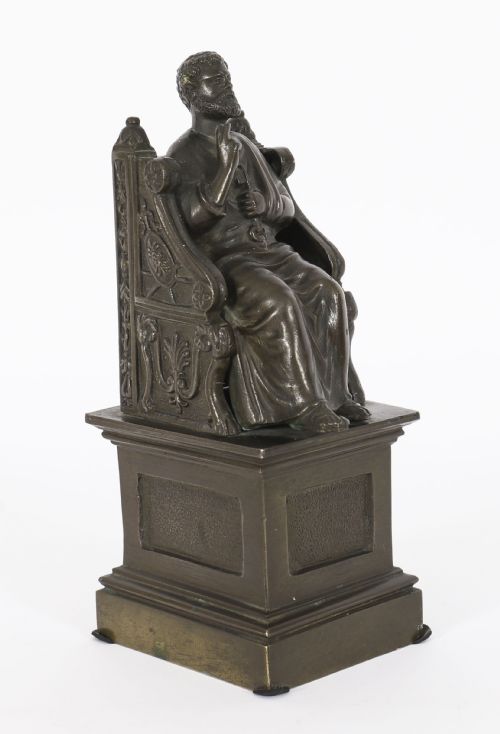


Italian Souvenir Bronze Figure
An italian souvenir bronze figure brings the classical sculpture of Rome and Pompeii straight onto a nineteenth-century desk or cabinet.
Italian Souvenir Bronze Figure
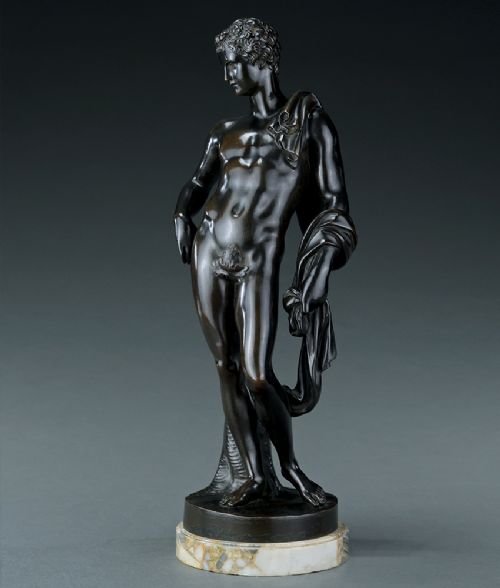
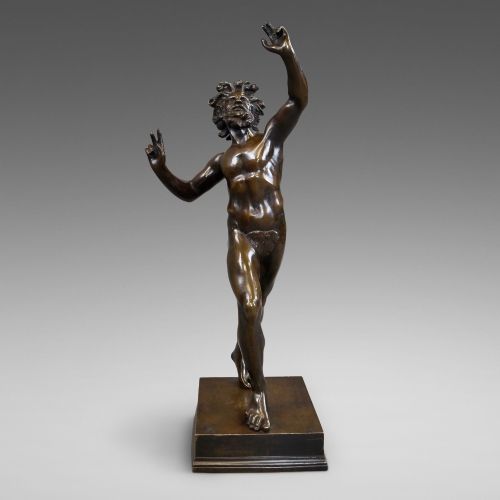
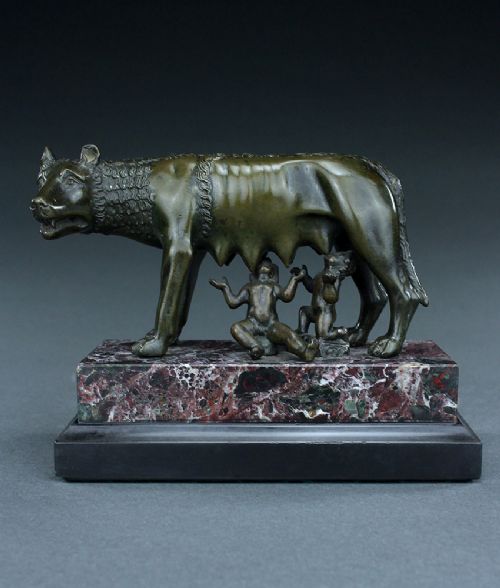
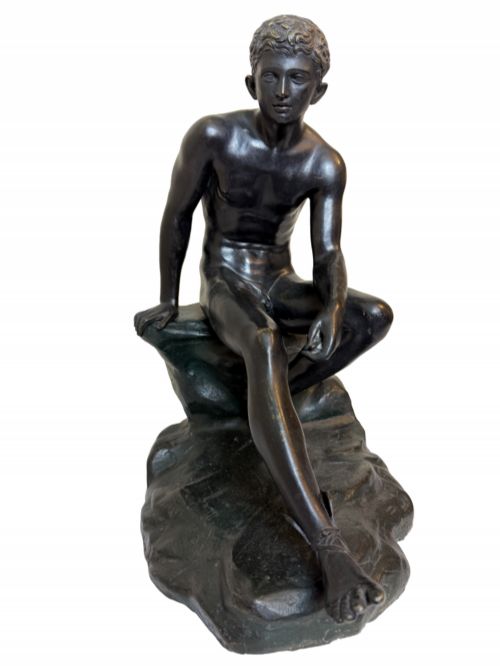
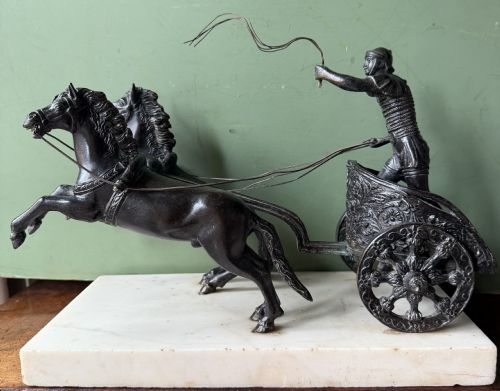
An italian souvenir bronze figure is a small-scale reduction cast in Italy for travellers on the Grand Tour, reproducing famous classical, Renaissance, or Hellenistic sculptures. These pieces take the form of mythological figures, emperors, animals, and architectural subjects modelled after ancient originals found in Italian museums and excavations.
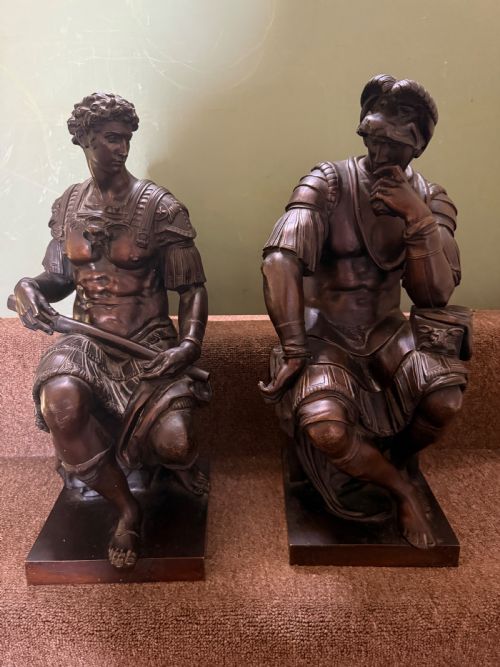
The versions most commonly met on this page date from the nineteenth century, particularly the decades around eighteen-eighty and eighteen-ninety, though eighteenth-century examples and Victorian interpretations also appear. They range from diminutive table ornaments to large sculptural groups mounted on marble or stone plinths.
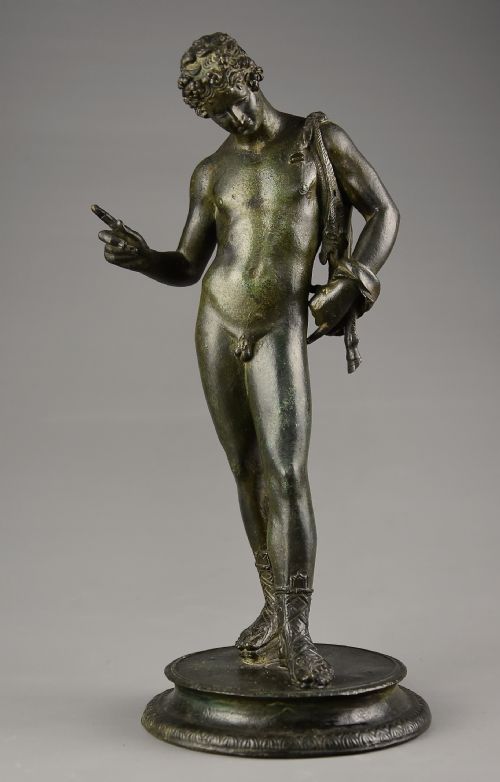
Subjects draw heavily on antiquity and the Renaissance, including representations of fauns, satyrs, mythological heroes like Hercules and Narcissus, and portraits of Renaissance figures after Michelangelo and Verrocchio. Many of these bronzes were produced in workshops in Naples and Rome to satisfy the demand of foreign visitors returning from their travels.
How They Were Made
These figures are cast in bronze, brass, and patinated bronze, frequently utilising the lost-wax method to capture intricate details of the human form and drapery. Many pieces feature chemical patination ranging from deep dark tones to green and verdegris finishes that imitate aged classical metalwork.
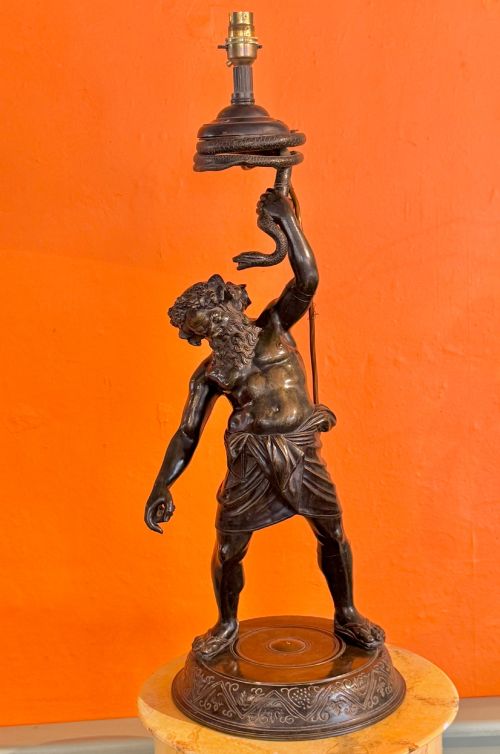
Bases are a key structural element, with figures frequently mounted upon white marble, dark stone, or specialised plinths to provide stability and visual weight. Some works incorporate secondary media such as brass fittings or lamps, combining sculptural form with functional utility.
Materials recorded across the inventory include bronze, patinated bronze, brass, marble, and stone.
What Varies In Quality
The refinement of the chasing and the crispness of the casting separate superior reductions from heavier, less detailed workshop output. A finer bronze preserves the subtlety of facial expressions, musculature, and surface textures derived from the original marble or bronze source.
The quality of the patina and the integration with the marble or stone base dictate the overall presence of the object. Weight, proportion, and the fidelity of the reduction to the canonical proportions of the antique sculpture define the standing of each piece.
G Amodio Naples·Messina Roma
The Italian Souvenir Bronze Figure Glossary
- Grand Tour
- A traditional trip through Europe, chiefly Italy, undertaken by upper-class young men in the eighteenth and nineteenth centuries as a part of their education. These journeys created a high demand for portable bronze souvenirs modelled after classical sculpture.
- Patination
- The process of treating the surface of a metal object to alter its colour and texture. Nineteenth-century founders applied chemical solutions to bronze to produce dark brown, black, or green finishes.
- Reduction
- A scale copy of a larger sculpture, produced by mechanical means or skilled hand-modelling. Founders utilised reduction techniques to create cabinet-sized versions of monumental ancient statues.
- Lost-wax casting
- A method of metal casting in which a molten metal is poured into a mould that has been created by means of a wax model. Once the wax is melted away, the bronze fills the cavity to form the sculpture.
- Verdegris
- A green patina or crust formed on copper, brass, or bronze surfaces through natural weathering or chemical treatment. Makers often applied this finish to simulate the appearance of buried antiquities.
Italian Souvenir Bronze Figure: Frequently Asked Questions
What is an italian souvenir bronze figure?
These pieces are small-scale metal casts produced in Italy during the eighteenth and nineteenth centuries for travellers touring classical sites and museums. They served as portable reminders of famous antiquities and Renaissance masterpieces.
Founders in cities like Naples and Rome specialised in reducing monumental sculptures into cabinet-sized figures made of bronze, often mounted on marble bases.
How were these bronzes displayed?
Travellers typically placed these figures upon desks, library tables, and mantelpieces in their homes abroad to signal their classical education and travel experience. Some pieces were adapted for other uses, such as table lamps.
Heavier examples incorporated marble or stone plinths to anchor the figures securely and provide an architectural frame for the metalwork.
How do you date a nineteenth century bronze?
Dating relies on stylistic evidence, casting characteristics, and the nature of the patina applied to the surface. Nineteenth-century examples frequently reference specific excavation discoveries from Pompeii or Herculaneum.
Inscribed signatures or foundry marks on the base or body can occasionally link a piece to specific Italian workshops active during the period.
Why do some figures have green patination?
Makers applied chemical treatments to the bronze surface to imitate the aged appearance of ancient Roman artefacts recovered from archaeological digs. This green or verdegris finish gave newly cast souvenirs an antique character.
Other pieces received dark brown or black patinas depending on the aesthetic preference of the workshop and the specific classical model being copied.