


Italian Renaissance Style Art
These Italian renaissance style art pieces bring centuries of classical portraiture and religious painting into domestic spaces.
Italian Renaissance Style Art
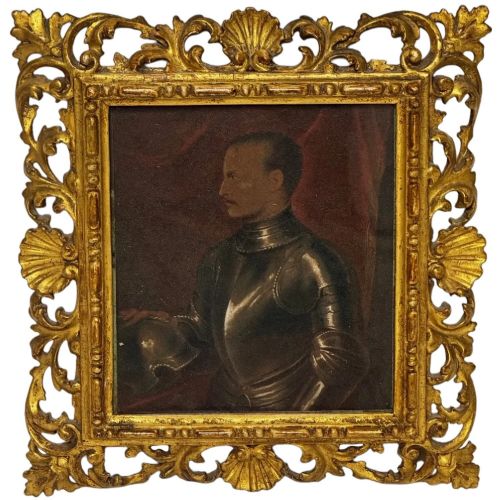
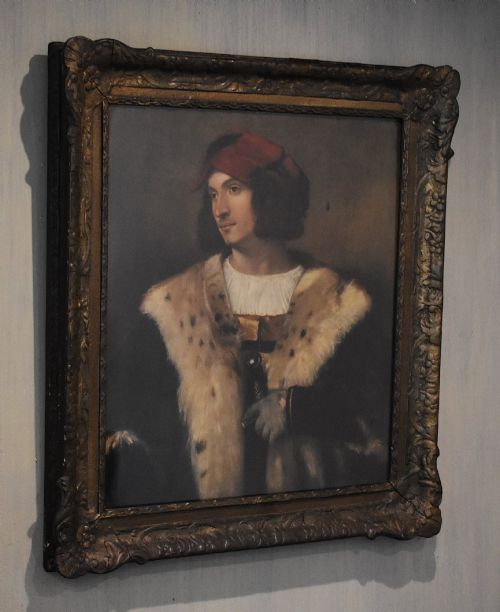
Italian renaissance style art encompasses oil paintings, drawings, prints and sculptures that echo the aesthetic of the fifteenth and sixteenth centuries. Pieces on this page span from period works to later revivals, capturing famous compositions through the hands of followers and copyists.
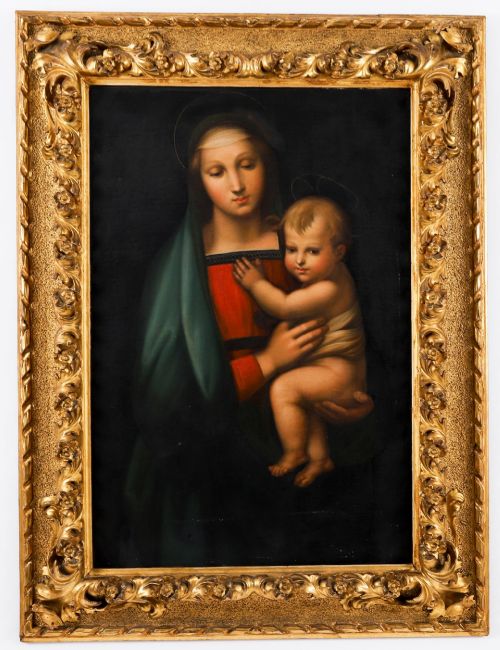
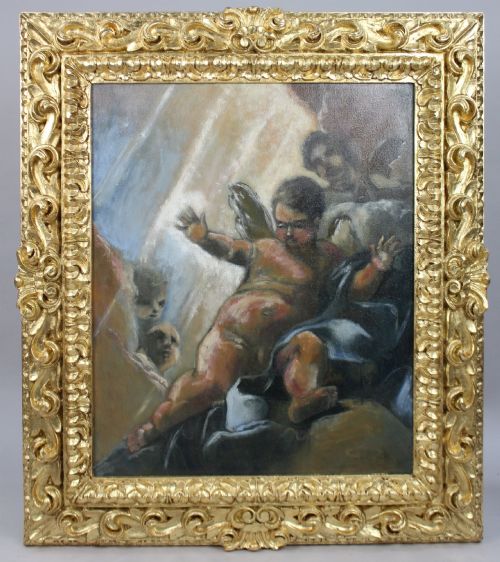
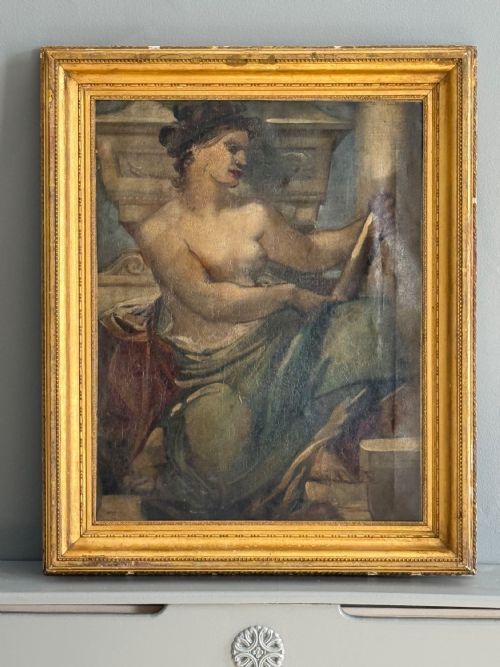
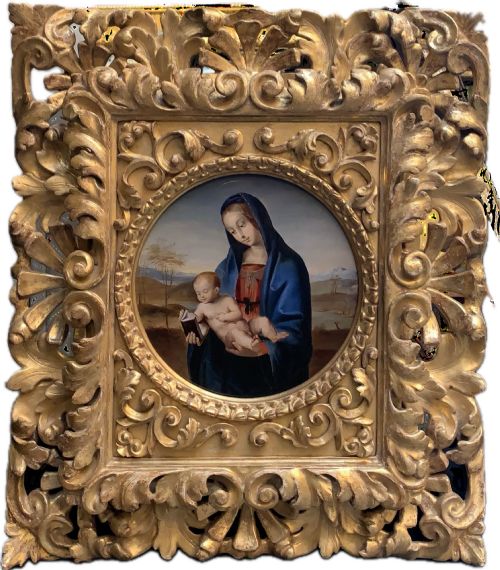
Buyers encounter oil on canvas portraits, religious panel paintings of the Madonna and Child, and decorative details like carved giltwood frames. Forms range from intimate drawings to large framed wall art and sculptural reliefs.
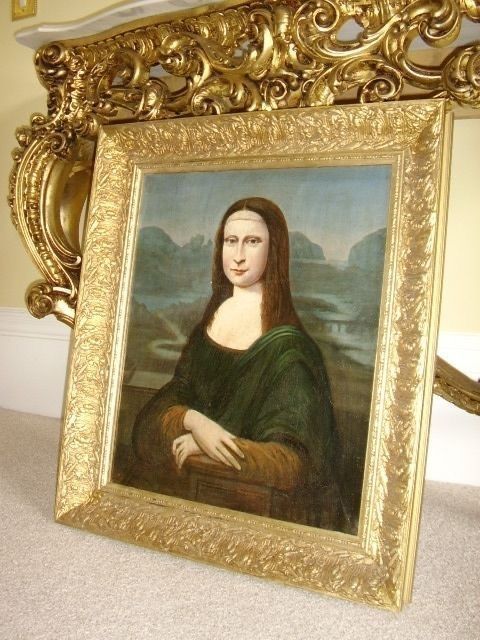
The selection includes reinterpretations after masters such as Raphael, Titian and Correggio, produced across the seventeenth, eighteenth, nineteenth and twentieth centuries. These works offer a traditional visual language rooted in historic European studios and ateliers.
Materials and technique
Artisans applied oil paint and pigments to canvas, wood panels and paper, often employing traditional layering methods to achieve depth in portraiture and religious scenes. Frames were frequently constructed from wood, utilising gold leaf and carved giltwood to complement the visual weight of the imagery.
Sculptural elements utilise carved marble and polychrome painted wood, demonstrating hand-finishing techniques common in historical workshops. Drawings employ pastel and ink on paper, recording preparatory studies and finished compositional copies.
At least one painted book cover binding survives to remind us that Renaissance aesthetics once protected household tax records.
Quality and execution
Execution in brushwork and proportion distinguishes finer interpretations from simpler decorative copies, reflecting the skill of the artist working in the manner of the old masters. The sensitivity of line in drawings and the depth of gilding on period frames indicate the level of craftsmanship involved.
Condition of the canvas, pigment stability and the integrity of historic wooden supports influence the overall integrity of each piece. Original framing that suits the period of the artwork adds cohesion to the presentation.
Icilio Federico Joni·Gian Paolo Pace·Bernardino Luini·Scipione Pulzone·Giovanni Battista Moroni
The Italian Renaissance Style Art Glossary
- Giltwood
- Wood that has been coated with gold leaf or metal leaf for decorative effect. This technique was widely utilised for framing important paintings and mirrors.
- Tavolette
- Small painted wooden panels, often used for book covers or portable devotional items. Historic examples frequently display intricate Sienese decorative aesthetics.
- Polyptych
- A painting divided into multiple sections or panels, commonly seen in religious altarpieces from the Renaissance period. These hinged or fixed panels allowed complex narrative scenes.
- Provenance
- The documented history of ownership of an antique object. Clear records help establish authenticity and past exhibition history.
- Tempera
- A permanent, fast-drying painting medium consisting of coloured pigments mixed with a water-binder agent, such as egg yolk. It preceded oil paint in many early Italian workshops.
Italian Renaissance Style Art: Frequently Asked Questions
What is Italian Renaissance style art?
These works are paintings, drawings, and sculptures that emulate the techniques, subjects, and compositions of fifteenth and sixteenth-century Italian masters. They include period copies, religious devotional pieces, and later revival works.
Collectors acquire them to bring classical portraiture, mythological scenes, and sacred iconography into traditional interiors. The category bridges original historical output and subsequent artistic homages.
How should I care for oil paintings on canvas?
Keep paintings away from direct sunlight, high humidity, and rapid temperature fluctuations to protect the canvas and oil pigments. Gentle dusting with a soft, dry brush is generally sufficient for surface maintenance.
Avoid using liquid cleaners or chemical solvents on the painted surface or giltwood frames. Professional conservation is recommended for any structural repairs or deep cleaning.
How can I tell an older copy from a modern reproduction?
Examine the materials, craquelure in the oil paint, and the backing of the canvas or wood panel for signs of age. Historic pieces often display natural ageing patinas, hand- forged framing nails, and period pigments.
Consulting the stretcher bars, frame construction, and paper types can provide additional clues regarding the manufacturing era. Expert appraisal helps confirm whether a piece dates to the nineteenth century or earlier.
Where were these decorative panels and paintings displayed?
Historically, religious panels and devotional art hung in private chapels, domestic antechambers, and noble palazzos across Italy. Portraiture and narrative scenes adorned the walls of libraries, salons, and formal dining rooms.
In modern settings, these artworks suit living rooms, studies, and hallways, often serving as focal points above mantelpieces or sideboards. Their classical compositions complement both period properties and eclectic interiors.