





Gilt Framed Religious Painting
A gilt framed religious painting brings centuries of devotional artistry and striking craftsmanship directly into a room.
Gilt Framed Religious Painting
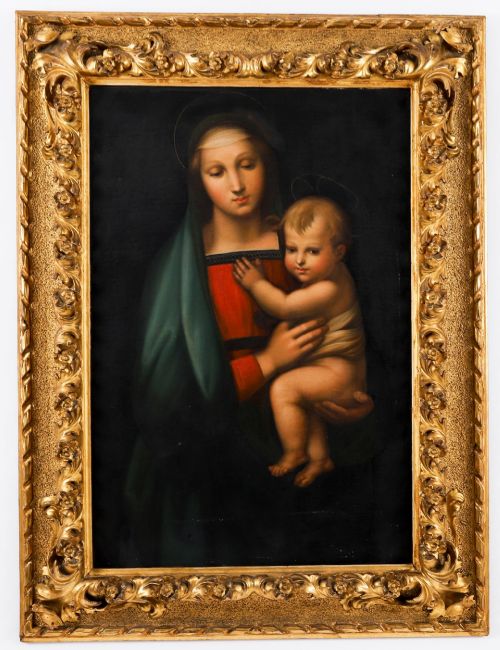
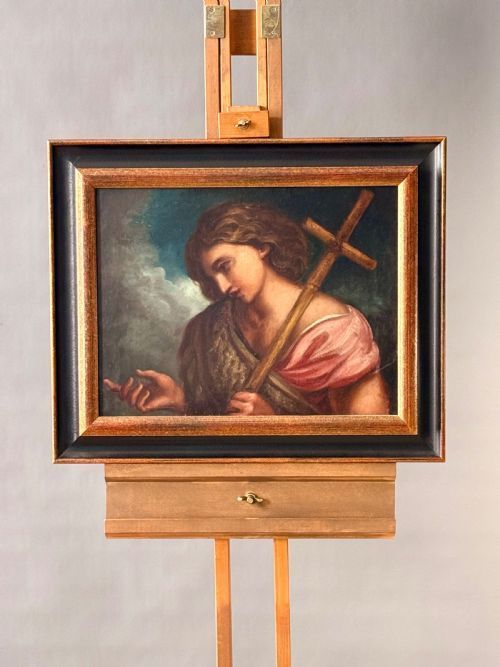
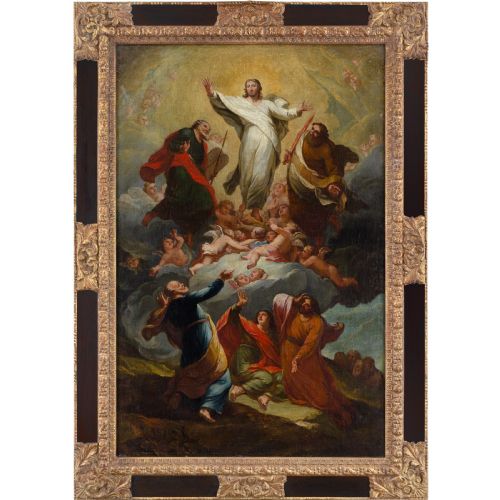
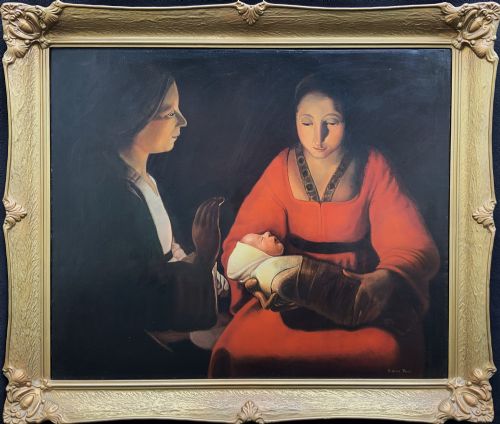
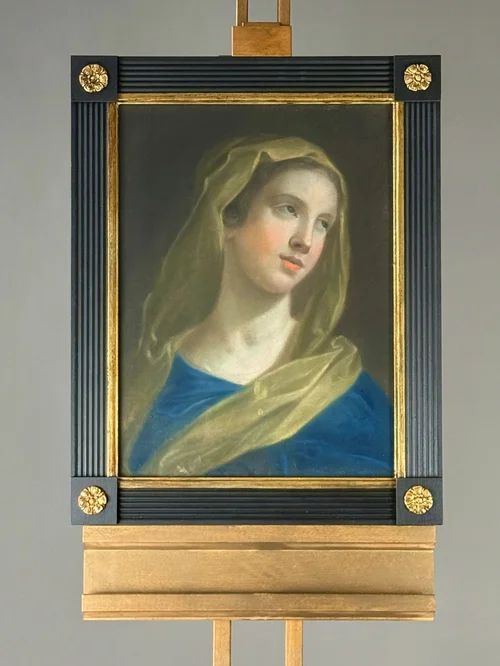
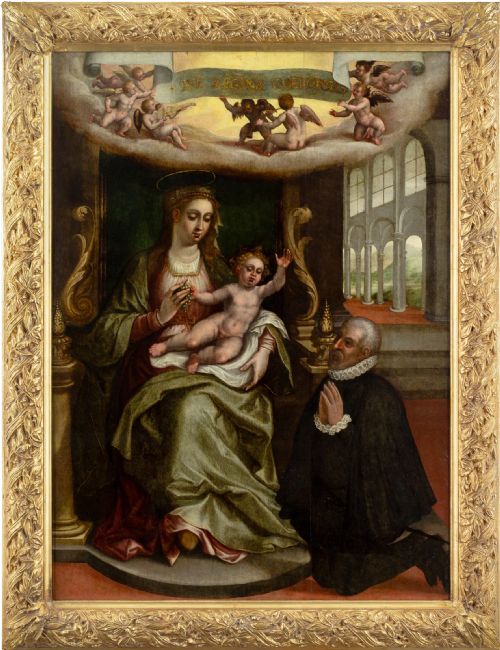
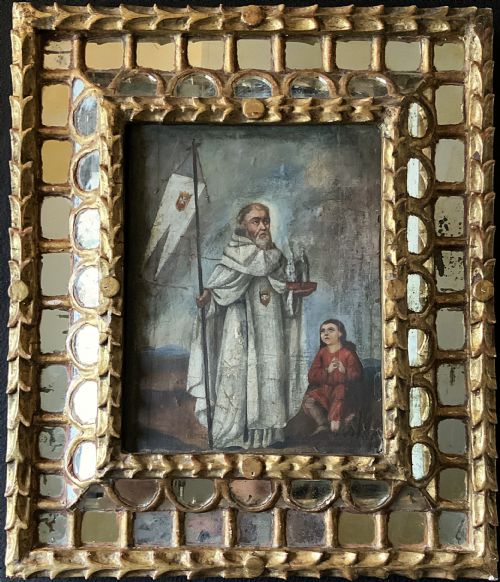
A gilt framed religious painting encompasses devotional artwork housed within ornate, gold-adorned surrounds spanning the sixteenth to the twentieth centuries. These works frequently depict sacred figures, biblical scenes, and saints executed in oil, tempera, or pastel on canvas and wood panels.
Buyers routinely encounter examples originating from various European traditions, with Italian, Spanish, and French schools prominently represented alongside later nineteenth-century interpretations. The selection frequently includes pieces created after Renaissance and Baroque masters, capturing the enduring influence of classical religious iconography.
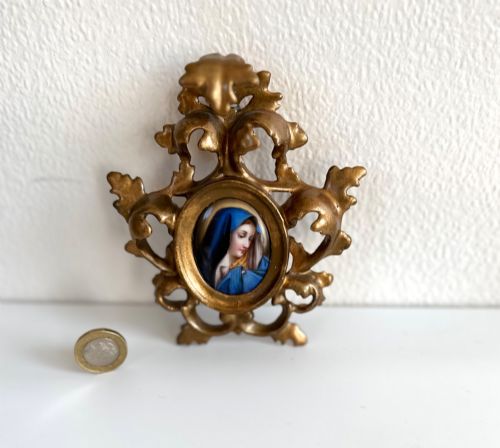
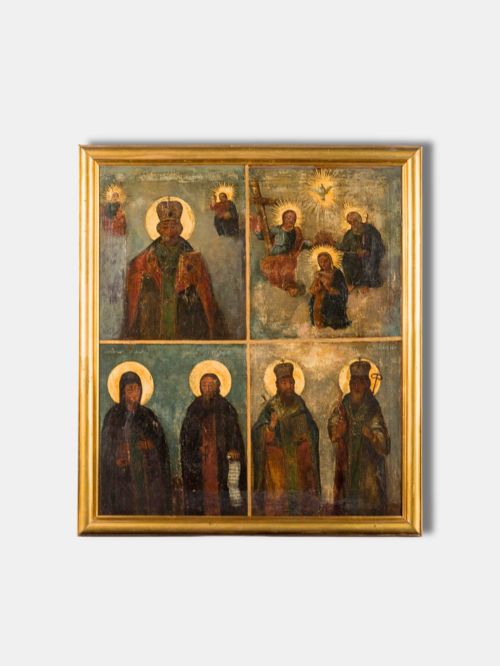
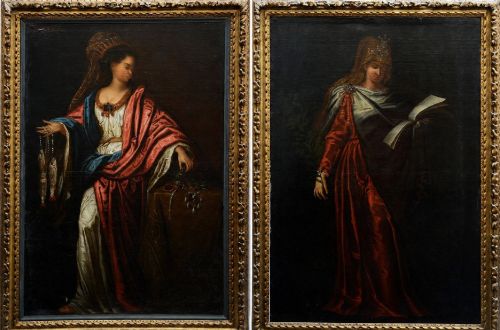
The objects take diverse forms, ranging from large-scale oil paintings and framed porcelain plaques to miniature portraits and Russian icons. Each format reflects the specific devotional or decorative function it originally served within domestic or ecclesiastical settings.
How they were made
The creation of these works relies fundamentally on traditional painterly techniques applied to canvas, wood panels, or copper, utilising oil paint, tempera, and gold leaf. Pigments are layered to achieve depth and luminosity, particularly in depictions of sacred subjects and liturgical garments.
The framing component typically consists of carved wood finished with gold leaf or giltwood, designed to complement the visual weight of the central artwork. Mouldings often reflect period styles such as Baroque Revival or Renaissance Revival, enhancing the overall presentation of the piece.
Listings feature works spanning the sixteenth to the twentieth centuries, utilising oil on canvas, tempera, and gold leaf.
What varies in quality
The degree of artistic execution distinguishes studio works and primary-hand master creations from later copies and follower pieces. Nuances in brushwork, anatomical proportion, and facial expression reveal the competency of the hand behind the painting.
The integrity and craftsmanship of the accompanying frame contribute significantly to the overall character of the piece. Hand-carved giltwood surrounds showing period appropriate construction methods contrast with later replacements or simplified mouldings.
Benedetto Luti·Miguel Barroso·Francesco Solimena·Juan Ruiz Soriano·Pompeo Batoni
The Gilt Framed Religious Painting Glossary
- Giltwood
- Wood that has been coated with gold leaf or a gold-coloured finish. This material is characteristic of decorative frames designed to house fine art.
- Tempera
- A permanent, fast-drying painting medium consisting of coloured pigments mixed with a water-binder, frequently egg. It often appears on early panel paintings and icons.
- Icon
- A religious work of art, most commonly depicting Jesus Christ or other sacred figures. These are traditionally executed on wooden panels within Eastern Christian traditions.
- Baroque
- An artistic style originating in Europe during the early seventeenth century, characterised by exaggerated motion and clear detail. Works from this period often display dramatic lighting and intense emotional depth.
- Provenance
- The chronology of the ownership, custody, or location of a historical object. Establishing this history helps confirm the authenticity and origin of older artworks.
Gilt Framed Religious Painting: Frequently Asked Questions
What is the difference between an original and an after-master piece?
An original work is conceived and executed independently by an artist, whereas an after-master piece is a deliberate study or reproduction of a known masterwork. These copies were frequently produced for study purposes or to satisfy collector demand.
Many of these secondary works hold significant historical value in their own right, demonstrating the enduring legacy of Renaissance and Baroque compositions.
Where should I hang a large gilt framed painting?
These works require sturdy wall anchors capable of supporting the combined weight of the heavy wooden frame and canvas. Placing them away from direct sunlight and moisture protects the delicate oil pigments and gold leaf.
Displaying them against neutral backgrounds allows the rich tones of the gilding and the depth of the religious imagery to command the space properly.
Are these paintings suitable for modern interiors?
Religious art integrates effectively into contemporary spaces by providing a strong focal point and a sense of historical depth. The ornate gilt frames contrast sharply with minimalist architecture, creating a balanced aesthetic.
Choosing pieces that complement the existing colour palette of a room ensures the artwork enhances the environment without overwhelming it.