




Renaissance Devotional Artwork
Renaissance devotional artwork carries centuries of quiet prayer, bringing sacred figures and old master style directly onto your wall.
Renaissance Devotional Artwork
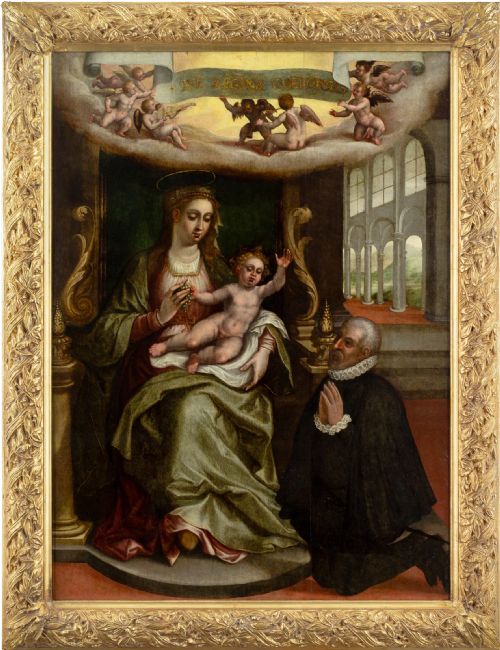
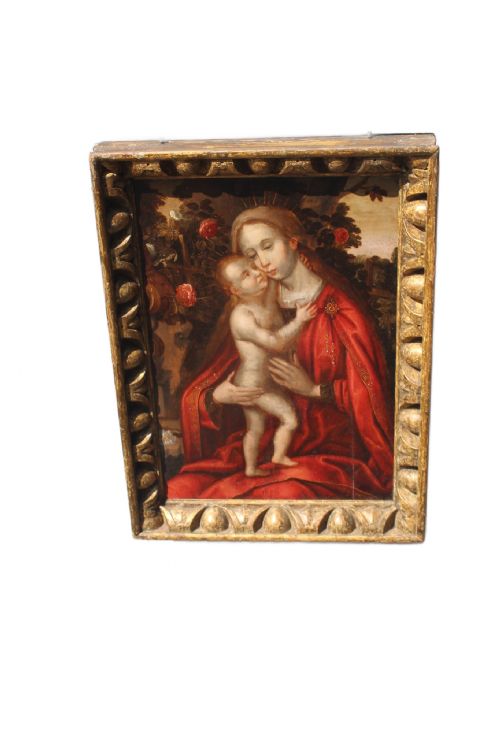
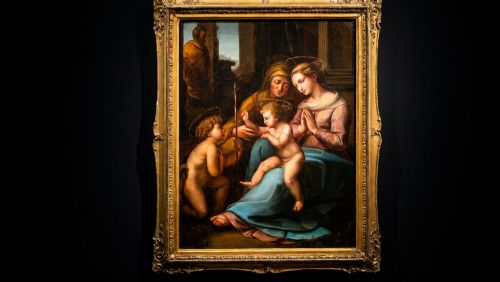
Renaissance devotional artwork centres on religious subjects such as the Madonna and child, the holy family, and sacred portraits produced in traditions from the sixteenth century to later revivals. Buyers seeking this phrase encounter painted oils on canvas and framed prints reflecting Italian, Spanish, and Northern Renaissance schools.
The pieces on this page range from sixteenth-century oils by followers of historical masters to nineteenth-century copies and twentieth-century prints. These works capture centuries of spiritual devotion through traditional portraiture and classical religious iconography.
How they were made
Makers utilised oil paint applied to canvas, often supported by wooden frames and enhanced with gold leaf and giltwood. These traditional materials allowed artists to build rich colour palettes and luminous surfaces suited to sacred imagery.
Print reproductions on paper also appear, utilising historical imagery after famous compositions by masters like Raffaello Sanzio da Urbino. The physical construction combines canvas stretching, framing, and pigmented layers designed for enduring religious display.
Listings span from sixteenth-century oils on canvas to twentieth-century classical prints, encompassing Italian, Spanish, and Northern Renaissance styles.
What varies in quality
Quality depends upon the closeness of the connection to original Renaissance workshops and the skill evident in brushwork or print transfer. Pieces painted by circle members or followers show greater artistic nuance than later decorative reproductions.
The preservation of the canvas, the depth of the oil pigments, and the integrity of the original framing materials distinguish finer works from standard historical items.
Bernardino Luini·Miguel Barroso·Benvenuto Tisi·Raffaello Sanzio da Urbino·Girolamo Dai Libri·Ambrious Benson
The Renaissance Devotional Artwork Glossary
- Circle
- An artist working in the direct milieu or workshop of a master, absorbing their specific style and technique.
- Follower
- An artist painting significantly later in the manner of a master, adopting their compositional choices.
- Giltwood
- Wood carved and coated with gold leaf or a gold-coloured finish, frequently utilised for traditional frames.
- Old Master
- A European painter of skill working before about eighteen hundred, or a work produced by such an artist.
Renaissance Devotional Artwork: Frequently Asked Questions
What is renaissance devotional artwork?
These pieces comprise oil paintings and framed prints depicting religious subjects like the Madonna and child, created across the sixteenth, seventeenth, eighteenth, and nineteenth centuries.
They reflect the artistic traditions of Italian, Spanish, and Northern Renaissance schools, serving as historical objects of private or public worship.
How were these paintings displayed?
Historical works were typically housed within private domestic chapels, churches, or homes to inspire contemplation and prayer.
They were framed in wood or giltwood to enhance their sacred subjects and integrate with architectural interiors.
How do I date a painting?
Dating relies on stylistic evidence, canvas preparation, and the historical school or follower attribution recorded in the piece.
Twentieth-century prints and nineteenth-century revivals can be distinguished from sixteenth-century originals through material analysis and painting technique.
What subjects are most common?
Depictions of the Madonna and child dominate the category, often accompanied by figures like Saint Joseph and John the Baptist.
Other works show holy family scenes and religious portraits reflecting classic Italian and Northern compositional themes.