

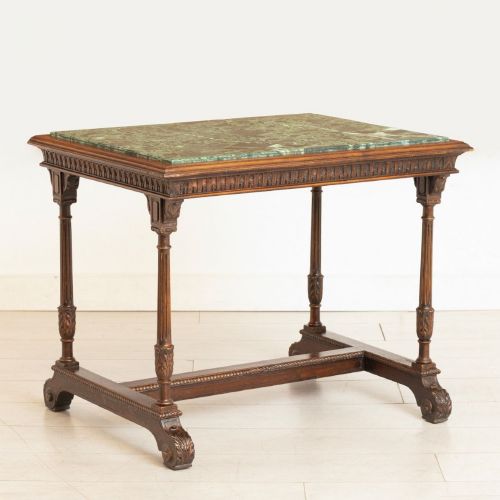


Italian Occasional Table
An italian occasional table brings continental craftsmanship into a room, offering both functional surface space and intricate decorative heritage.
Italian Occasional Table
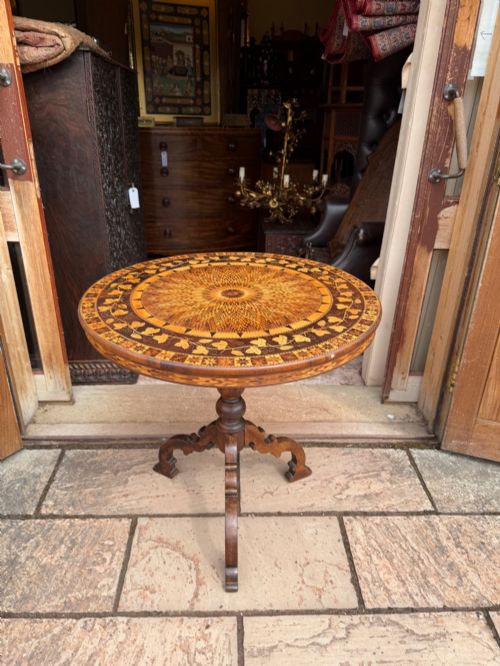
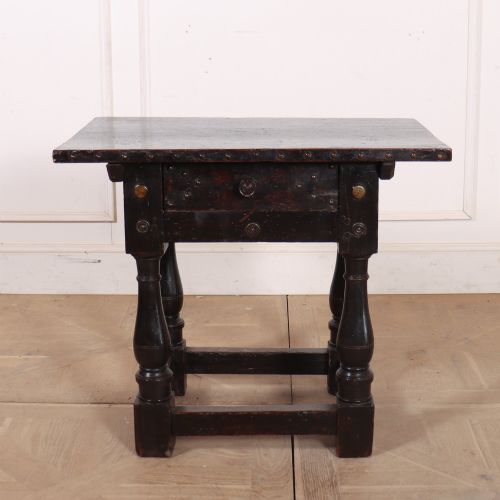
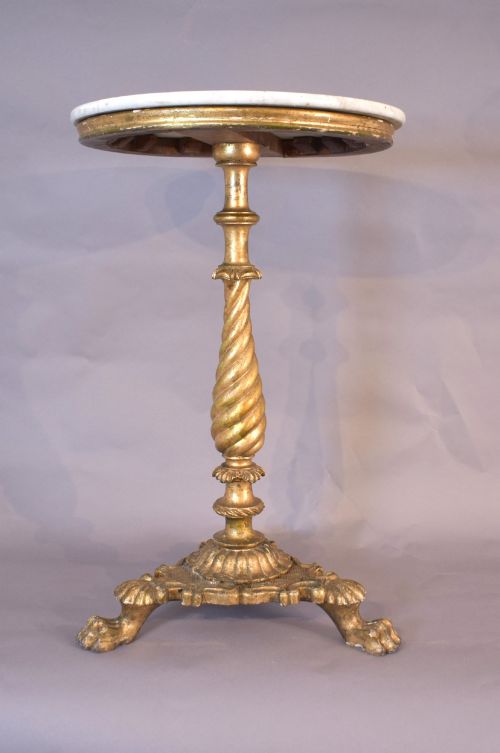
An italian occasional table spans varied forms including pedestal designs, tilt-top tables, and tripod bases suited for display or everyday use. The pieces originate from periods ranging across the eighteenth, nineteenth, and early twentieth centuries, reflecting diverse regional aesthetics from Venetian painted finishes to Sorrento marquetry.
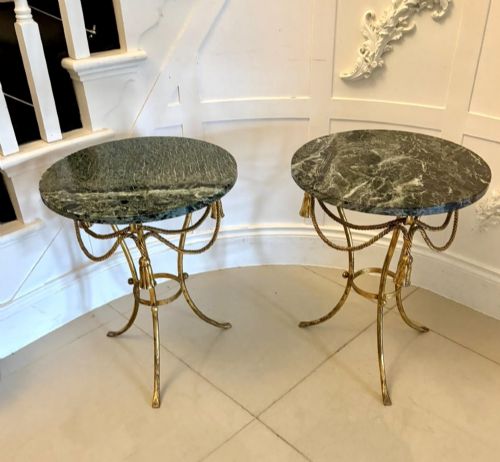
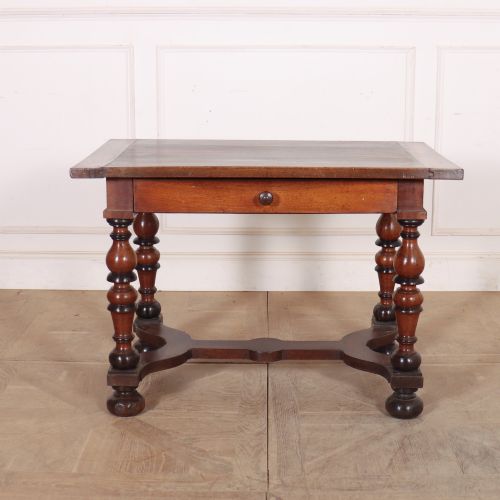
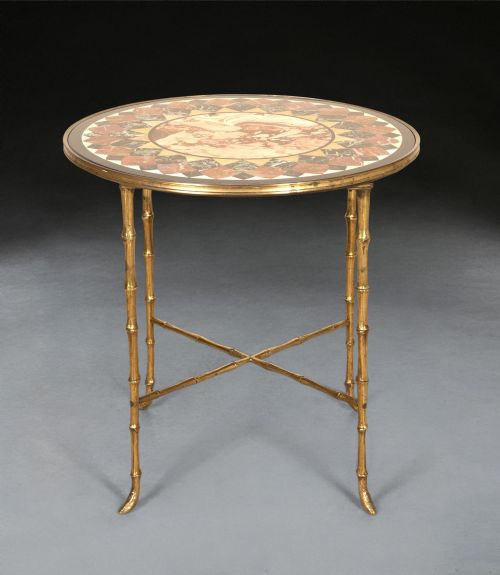
Buyers most frequently encounter walnut and fruitwood structures decorated with intricate wood inlays, alongside marble-topped variants and occasional tables featuring brass or gilt metal accents. These diverse formats demonstrate the adaptability of southern European furniture design across drawing rooms and boudoirs over multiple centuries.
Materials and Techniques
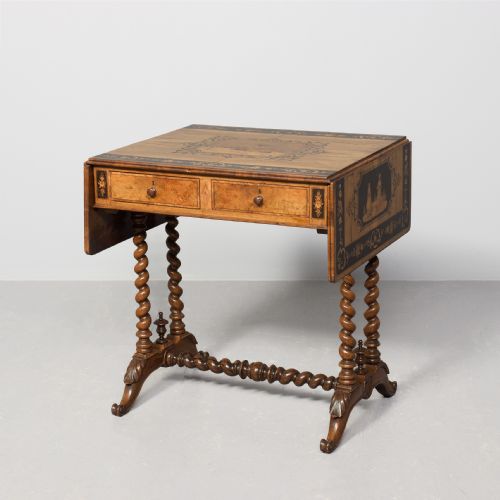
Cabinetmakers utilised dense timbers such as walnut, mahogany, and olivewood as foundations for detailed surface decoration. Marquetry and parquetry techniques required precise cutting of diverse woods, bone, and individual stone specimens to create geometric or pictorial table tops.
Marble and specimen marble inserts formed heavy, smooth surfaces supported by carved wooden frames or ebonised pedestals. Artisans also applied hand-painted polychrome finishes, gilt wood, and parcel gilt highlights to enhance the visual depth of regional pieces.
The inventory records regional styles spanning Sorrento ware, Venetian painted finishes, and Italian Renaissance Revival.
Craftsmanship and Execution
The sophistication of the surface decoration determines the standing of an individual piece, moving from simple geometric parquetry to pictorial marquetry and complex pietra dura stone mosaics. Finer examples display rigorous alignment in their inlaid motifs and careful selection of figured walnut or olivewood veneers.
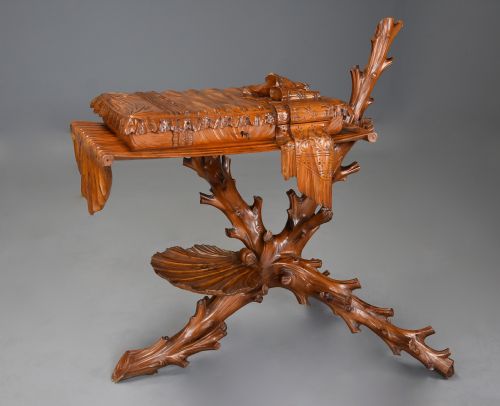
Structural integrity and the quality of the timber preparation separate standard production from master craftsmanship. Hand-carved details, such as grotto work or gilt wood elements, reveal the sculptorial ambition behind the workshop.
Carlo Bugatti
The Italian Occasional Table Glossary
- Marquetry
- Decorative veneer applied to furniture in geometrical patterns or pictorial scenes. This technique uses thin slices of different woods, bone, or other materials to form intricate surface pictures.
- Pietra Dura
- Inlay technique using cut and fitted polished coloured stones to create images. Craftsmen assemble hardstones like lapis lazuli and marble to form seamless pictorial panels.
- Sorrento Ware
- Wooden decorative items featuring intricate mosaic inlay produced in the town of Sorrento. The style often incorporates local timbers such as olivewood and walnut depicting floral or architectural motifs.
- Parquetry
- Geometric mosaic woodwork used for floors and furniture surfaces. It involves arranging small pieces of timber in repeating patterns such as cubes or chequers.
- Tilt-top
- A table mechanism allowing the top to pivot to a vertical position when not in use. This design saved floor space in historical interiors.
Italian Occasional Table: Frequently Asked Questions
How do I style an italian occasional table?
These versatile pieces serve well beside seating arrangements to hold lamps or display small decorative objects. Their distinct inlay or marble surfaces allow them to function as standalone visual accents within a room.
Consider placing a marquetry or specimen marble top where natural light can highlight the precision of the surface work. They complement both traditional period interiors and more eclectic modern spaces.
What is pietra dura?
Pietra dura is a decorative technique involving the meticulous assembly of cut and polished coloured stones. Craftsmen use hardstones to create detailed pictorial panels on table tops.
This method demands immense skill and patience, resulting in durable surfaces that showcase natural geological colours. Such tables represent some of the most ambitious decorative work from nineteenth-century workshops.
How do I care for antique wood surfaces?
Antique wooden surfaces benefit from stable indoor humidity and protection from direct sunlight. Regular dusting with a soft, dry cloth preserves the finish without building up heavy chemical residues.
Avoid placing damp items directly onto unsealed wood or vintage veneer. Occasional application of appropriate wax maintains the natural lustre of walnut and fruitwood.
What distinguishes Sorrento pieces?
Sorrento pieces are defined by their distinctive inlaid woodwork originating from the Campania region of Italy. Local artisans utilised native timbers like olivewood to construct geometric and pictorial marquetry.
These tables often feature warm tones and intricate banded borders surrounding central landscape or floral motifs. The style gained immense popularity during the nineteenth century through the Grand Tour.