





Italian Marble Column
An italian marble column brings classical weight and sculptural presence to a room, offering a sturdy architectural stage for display.
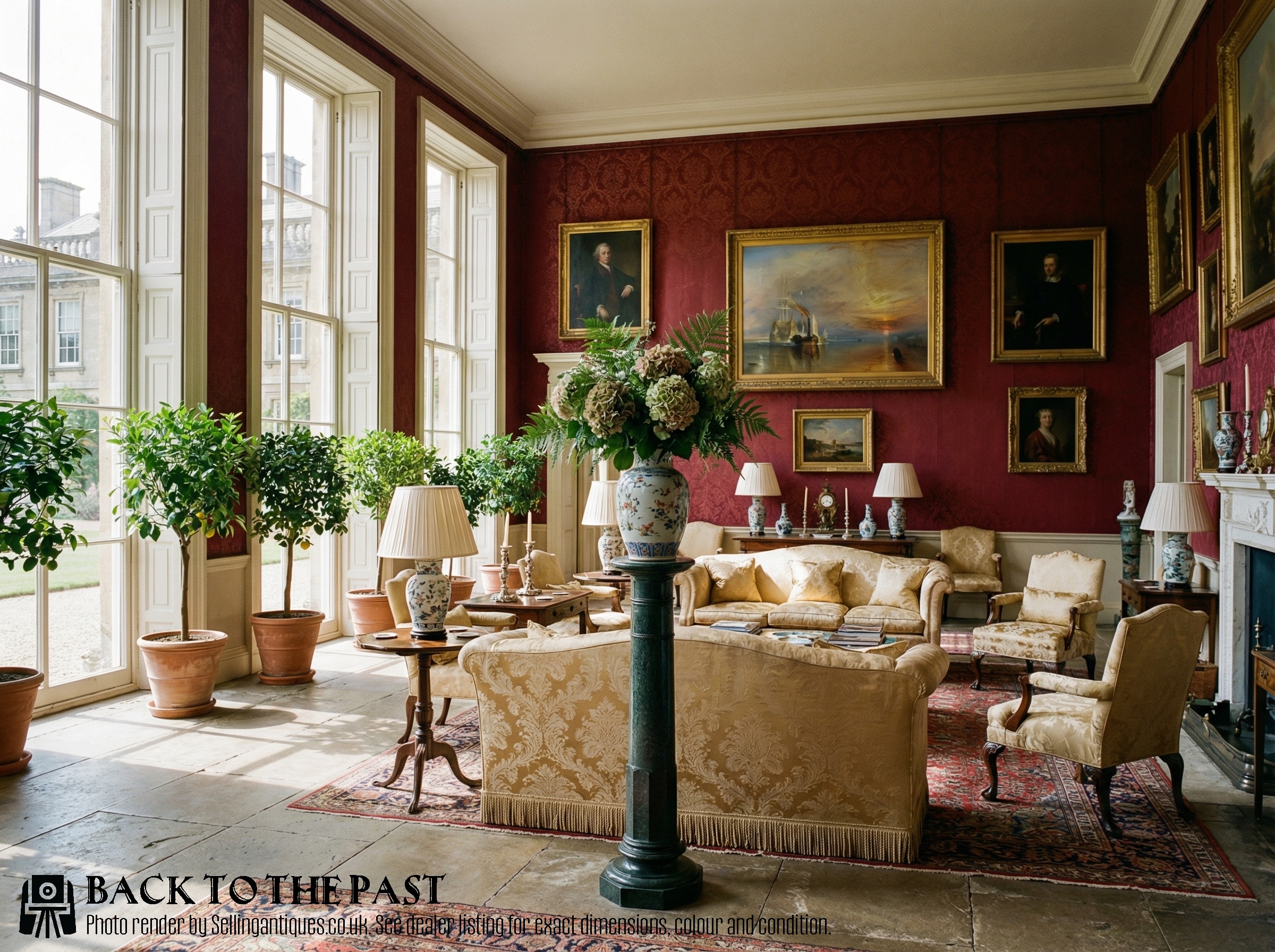
Italian Marble Column
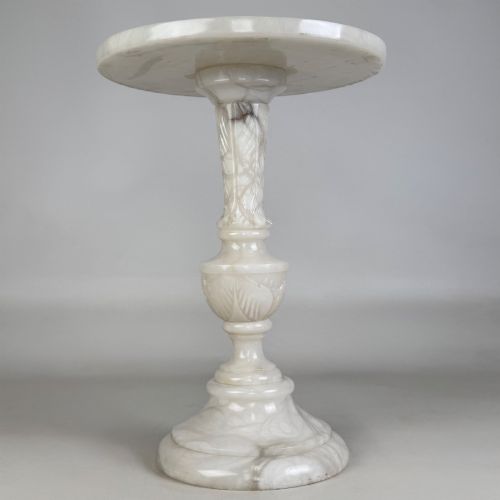
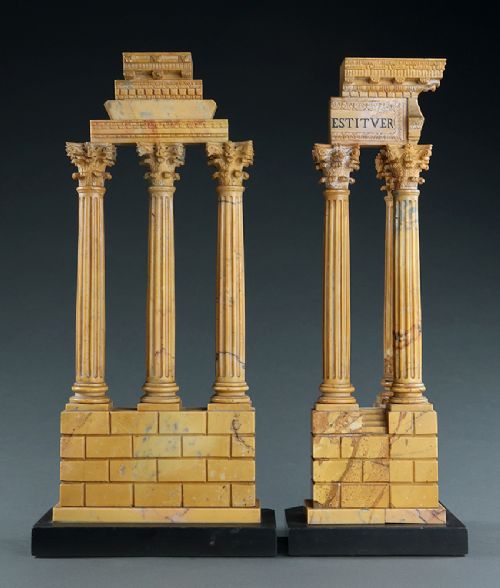
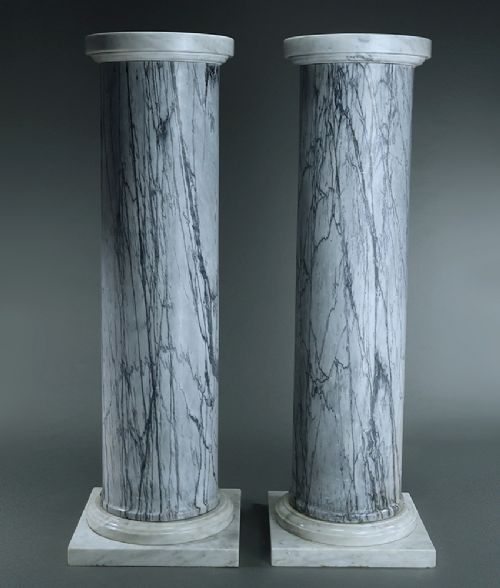
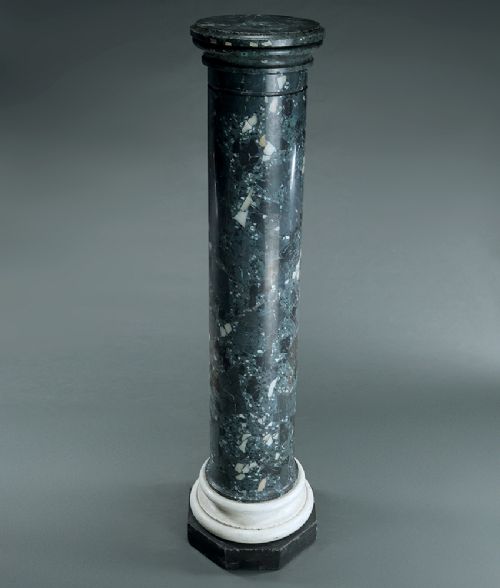
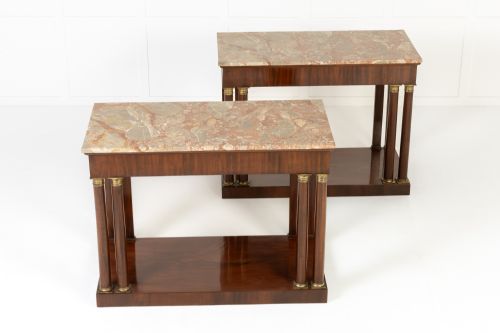
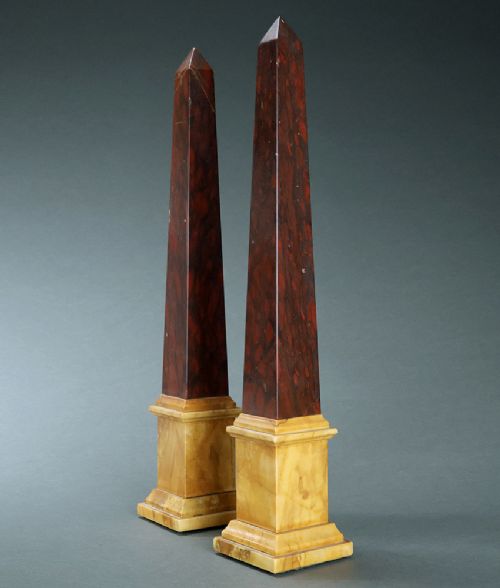
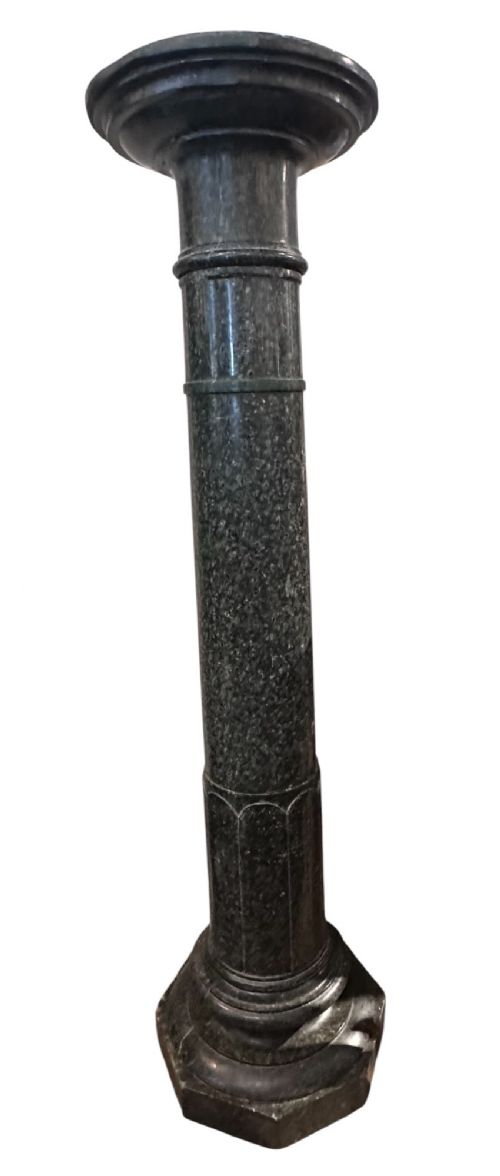
An italian marble column takes various architectural and decorative shapes across the records, appearing as tall structural shafts, plant stands, table lamps, and architectural models. The pieces span periods from the eighteenth century through the Victorian era and the nineteen-thirties, reflecting enduring neoclassical tastes.
Buyers most frequently encounter tall architectural pedestals and columns carved from distinctive stones, alongside smaller Grand Tour souvenirs and table lamps. These objects serve as display supports for sculpture or botanical specimens, grounding a room with historical authority.
Distinctions in quality
Quality rests primarily on the rarity of the marble variety and the crispness of the stone carving. Fine examples display intricate hand-carved capitals and richly variegated natural veining rather than uniform machine-cut surfaces.
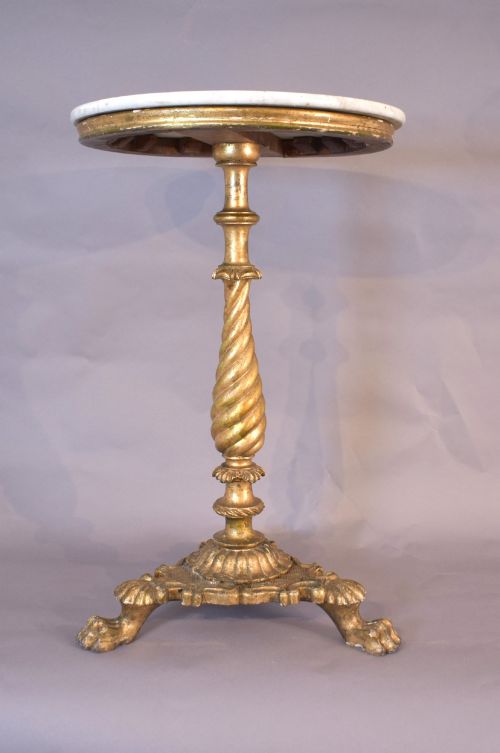
The sophistication of secondary mounts, such as cast bronze ormolu supports, elevates a piece from a simple utility stand to a high-status furnishing. Superior weight and balanced proportions separate monumental architectural shafts from smaller domestic plant stands.
Eduardo Giolli
The Italian Marble Column Glossary
- Grand Tour
- A traditional trip through Europe undertaken by upper-class young men in the eighteenth and nineteenth centuries. Travellers acquired miniature architectural models, obelisks, and marble columns as cultural mementos.
- Verde Antico
- A dark green serpentine marble heavily veined with white calcite. This ornamental stone appears frequently on classical Italian columns and decorative table bases.
- Tazza
- A shallow saucer-like dish mounted on a stem and foot. These carved marble vessels often sit atop pedestals as classical display pieces.
- Portoro
- A distinctive black marble featuring dramatic golden-yellow veins. Quarried in Italy, this high-contrast stone commands attention on luxury architectural columns.
Italian Marble Column: Frequently Asked Questions
How do I style an italian marble column?
Place a single tall column in an empty corner or flanking a doorway to add vertical architectural interest to a room. They work effectively as heavy structural supports for bronze sculptures, urns, or large floral arrangements.
Ensure the floor surface is level and capable of bearing the substantial weight of solid stone. Avoid overcrowding the surrounding space so the natural veining and carved details remain the focal point.
Are these columns solid stone?
Most pieces feature solid natural marble or heavy scagliola construction, though some larger architectural columns may contain internal core support or wooden framing for stability.
The weight of the object typically indicates its material composition, with genuine stone shafts feeling exceptionally heavy and cold to the touch.
What is the difference between Carrara and Siena marble?
Carrara marble originates from the mountains of Tuscany and typically displays a white or blue-grey ground with soft grey veining. It forms the basis of many classical columns and sculptural works.
Siena marble comes from the quarries of central Italy and is recognised by its warm yellow ground with dark purple or brown veining. This striking colour variation makes Siena stone highly desirable for decorative Grand Tour pieces.
How do I clean an antique marble column?
Dust the stone regularly with a soft, dry microfiber cloth to prevent surface grit from accumulating in the carved fluting. Avoid acidic cleaners, vinegar, or abrasive scrubbing pads, which etch and ruin the polished finish.
For deeper cleaning, use a damp cloth with a tiny amount of neutral pH soap, then dry the surface thoroughly. Natural stone benefits from occasional specialist waxing to protect the polish.