



Italian Marble Bust
An italian marble bust brings classical presence into a room, carved from stone by hands that understood the weight of history.
Italian Marble Bust
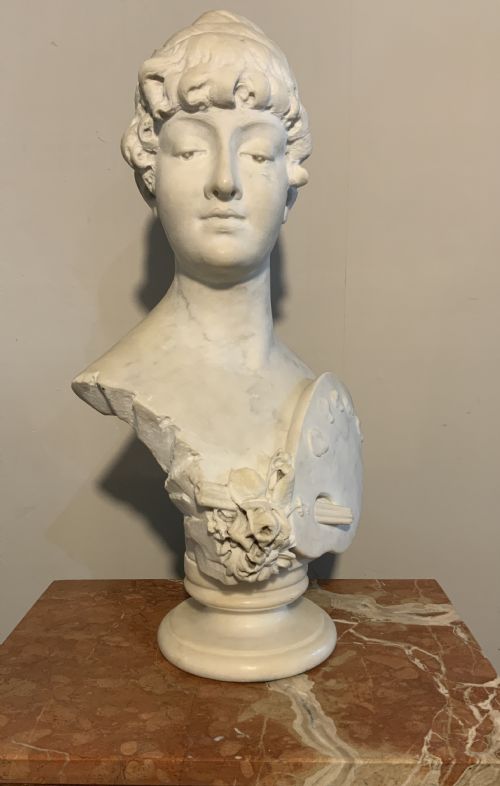
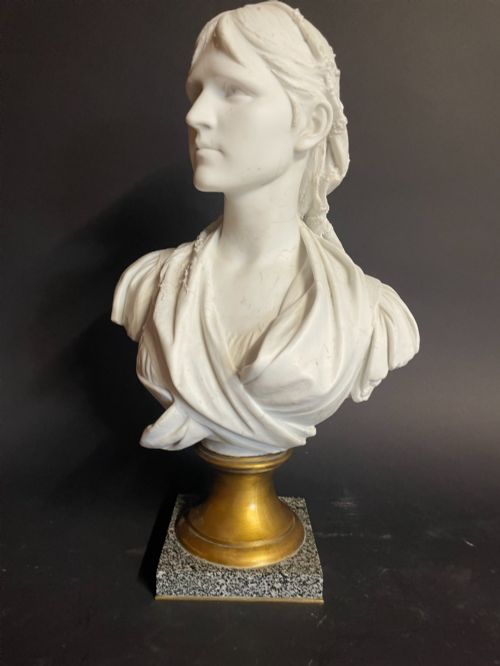
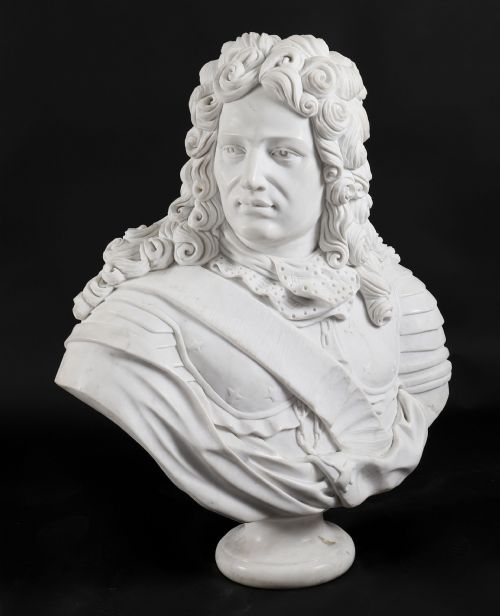
When you search for an italian marble bust, you find carved depictions of historical figures, literary icons, mythological deities, and noble personages. The selection spans centuries of craftsmanship, connecting modern interiors directly to classical traditions.
The most common pieces on this page originate from the nineteenth century, often reflecting Grand Tour souvenirs or revivalist aesthetics. These works range from life-size portrayals to smaller library studies and profile relief plaques.
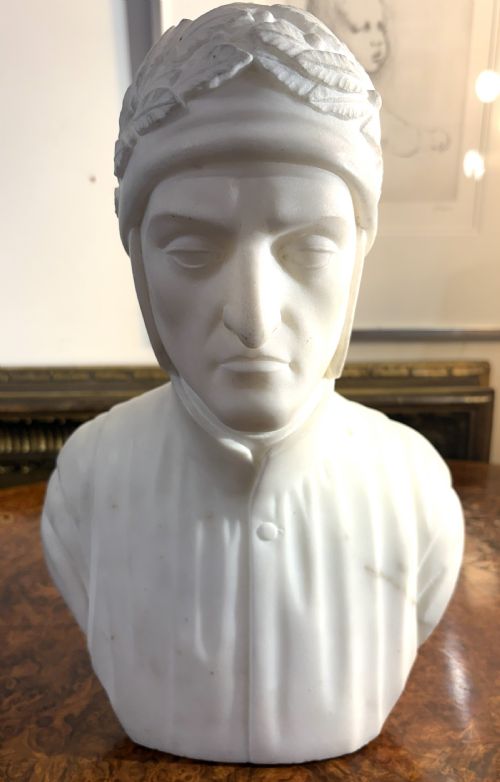
Subjects include literary figures like Dante Alighieri, mythological characters such as Diana and Apollo, and Roman emperors. Makers frequently translated classical antiquity and Renaissance ideals into solid stone.
How they were made
Carvers utilised fine materials such as Carrara marble, white marble, and alabaster, sometimes mounting the finished figures upon bases of Portoro or Vert de Mer marble. Bronze and brass occasionally appear as supporting elements or structural contrasts within the sculptures.
The working process combined precise hand-carving techniques with polished finishing, capturing delicate drapery, hair texture, and facial expression. Sculptors often signed their works directly onto the stone or incorporated mixed media like verdigris bronze.
Materials across these listings include Carrara marble, alabaster, bronze, brass, stone, and granite, mounted on Portoro and Vert de Mer bases.
What varies in quality
Quality depends upon the precision of the carving and the subtlety with which the stone conveys expression and textile movement. Finer pieces demonstrate mastery in rendering soft flesh and intricate drapery without losing structural integrity.
The choice of base material and the presence of a signature from a known workshop or sculptor elevate a piece. Superior works display a careful balance between the stone's natural grain and the sculpted detail.
R Mattei·Antonio Merente·Pugi·Gory·Desiderio da Settignano·Gugliermo Pugi·Cavaceppi Workshop·Giuseppe Carnevale·Richard Aurili
The Italian Marble Bust Glossary
- Carrara marble
- A type of white or blue-grey marble quarried in the city of Carrara in Tuscany, prized for its purity and consistent grain. Sculptors have favoured this material since Roman times for detailed figurative work.
- Grand Tour
- A traditional trip of Europe undertaken by upper-class European young men of sufficient means in the eighteenth and nineteenth centuries. Souvenirs from these journeys included small-scale marble busts and bronzes.
- Scagliola
- A composite substance made from selenite, glue, and pigments, mimicking inlay in marble and other stones. Artisans used this technique to create decorative architectural elements and pedestals.
- Alabaster
- A fine-grained stone that is softer than marble, allowing for translucent qualities when carved thinly. It appears frequently in nineteenth-century sculptural studies of children and deities.
- Portoro marble
- A deep black limestone with intense gold veins originating from Portovenere in Italy. It provides a dramatic, contrasting base for marble and bronze sculptures.
Italian Marble Bust: Frequently Asked Questions
How do I display an italian marble bust?
These sculptures require sturdy placement on pedestals, columns, or heavy sideboards capable of supporting considerable stone weight.
Keep them away from direct heat sources and abrasive cleaning materials to preserve the polished surface.
What periods do these busts come from?
The pieces span from the seventeenth century through the nineteenth century and into the mid-twentieth century.
Nineteenth-century Grand Tour items and revivalist pieces form the majority of the available selection.
What materials are used besides marble?
Alabaster appears frequently, alongside bronze, brass, and stone.
Some sculptures combine white marble figures with coloured bases made from Portoro or Vert de Mer marble.
Are these pieces signed by artists?
Certain busts feature signatures carved directly into the stone by the sculptor or studio.
Signed works often attribute the carving to established Italian artists or specific period workshops.