
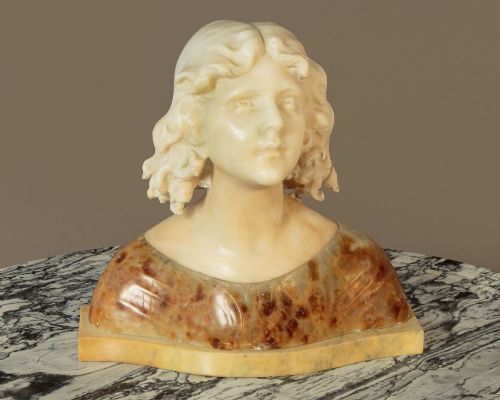

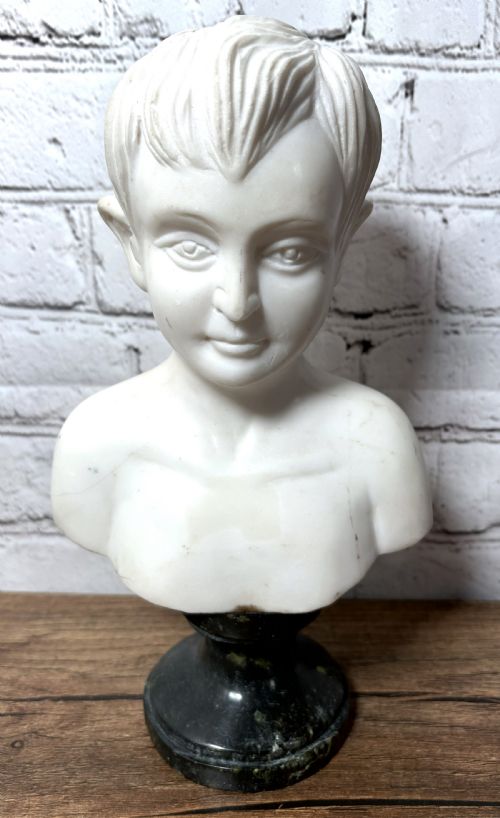


Vintage Marble Bust
A vintage marble bust brings classical presence and sculptural depth to a room, capturing historical figures and quiet portraits in carved stone.
Vintage Marble Bust
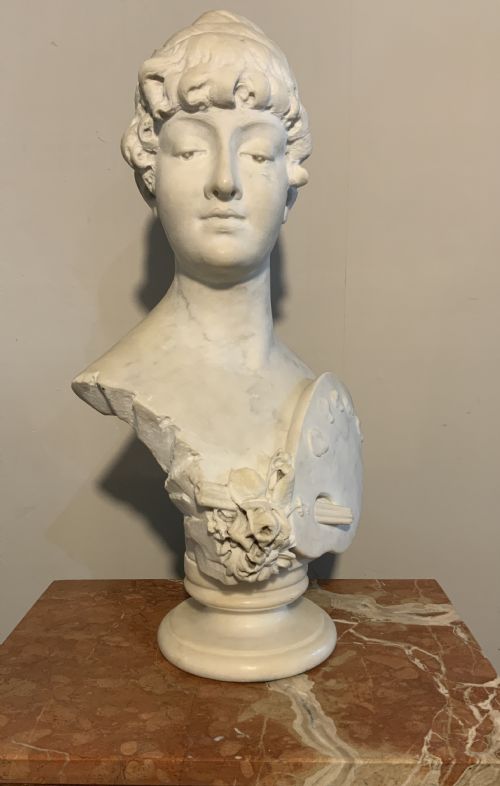
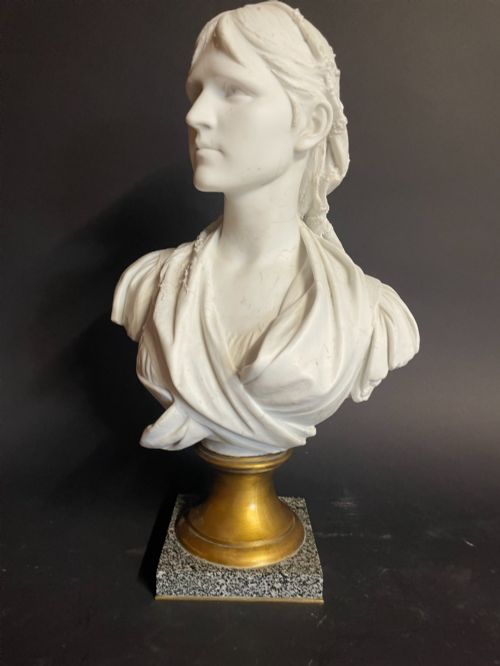
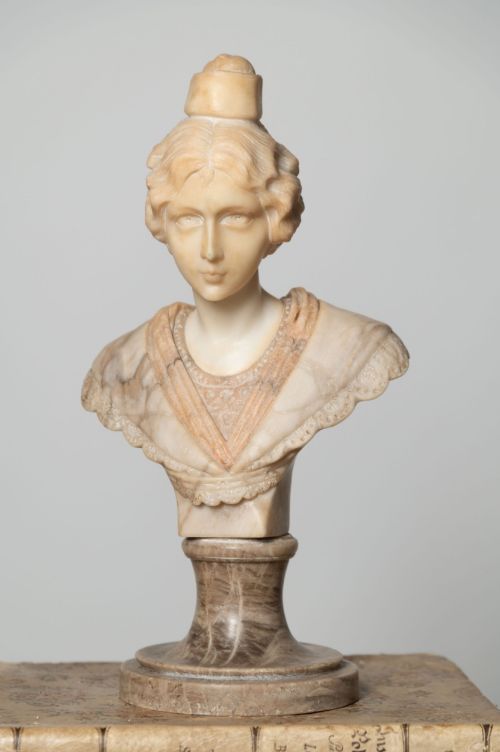
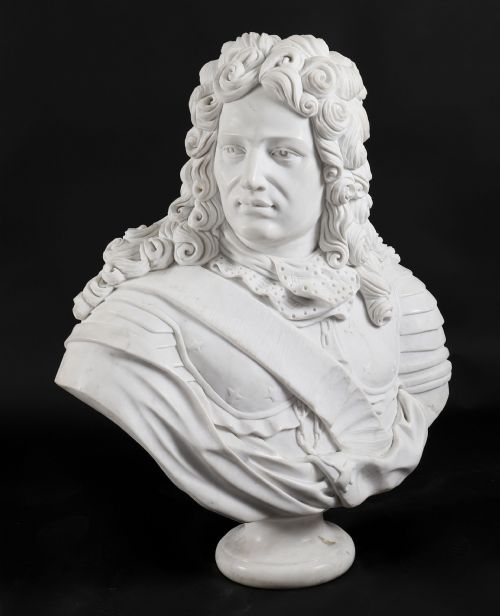
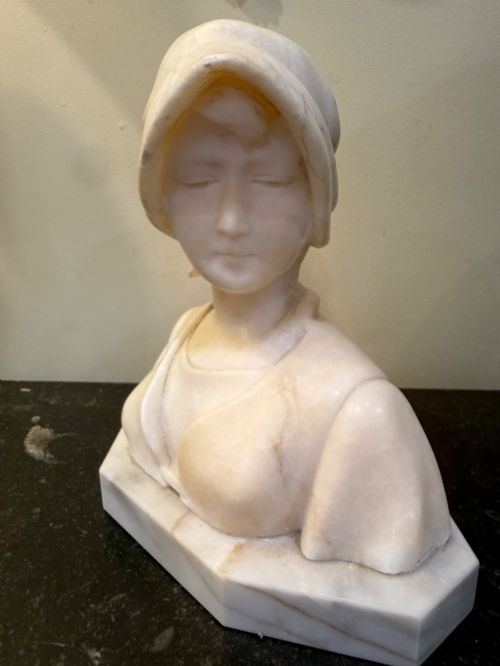
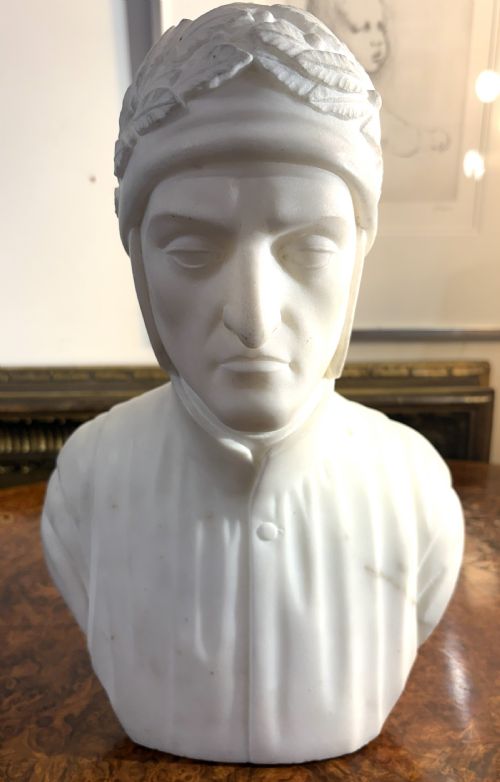
A vintage marble bust typically portrays historical figures, literary icons, or unidentified noble subjects carved from solid stone or alabaster. These sculptures span the nineteenth century through the early twentieth century, drawing on Neoclassical, Art Deco, and Classical Revival styles.
The most common form on this page is the library bust, often depicting classical poets, young ladies, or noblemen mounted on integrated stone plinths. Alongside these are sculptural studies, inkwells incorporating small portrait heads, and larger Italian works carved from Carrara marble.
Originating largely from European workshops, particularly in Italy and France, these pieces reflect the enduring popularity of antique sculpture for domestic display. Collectors encounter both modest decorative figures and substantial carved portraits representing significant cultural periods.
How they were made
Sculptors utilised white marble, Carrara marble, and softer translucent alabaster, often selecting stone blocks with subtle veining to give depth to drapery and hair. These materials were worked by hand with chisels and rasps, then polished to varying degrees of smoothness.
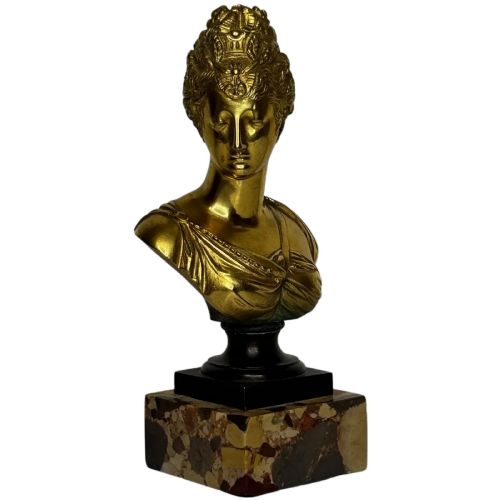
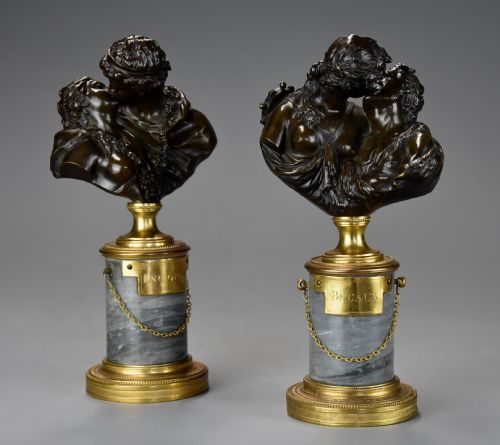
Many sculptures incorporate mixed media, mounting carved stone heads upon contrasting black marble plinths, gilt bronze, or ormolu bases. Bronze and brass elements were cast using traditional methods, then patinated or fire-gilt to complement the pale tones of the stone.
The listings show Italian and French origins spanning the nineteenth and twentieth centuries, using marble, alabaster, and bronze.
What varies in quality
The fidelity of the carving dictates the distinction between ordinary workshop output and superior sculpture, particularly in the rendering of facial expression, hair texture, and the fall of fabric. Softer stone allows for delicate undercut details, while harder marbles demand disciplined precision from the carver.
Proportion and stance separate standard decorative objects from masterworks, where the alignment of the head and shoulders creates a convincing sense of life and dignity. The choice of base material and the quality of any cast metal mounts further indicate the original tier of production.
Jean Antoine Houdon·Georges Charles Coudray·Mieczyslaw Leon Zawiejski·Joseph Gott
The Vintage Marble Bust Glossary
- Carrara marble
- A type of white or blue-grey marble from the city of Carrara in Italy, prized by sculptors for its fine and uniform grain.
- Alabaster
- A fine-grained mineral stone, softer than marble and often translucent, used extensively for nineteenth-century portrait busts.
- Neoclassical
- A Western cultural movement drawing on the art and culture of classical antiquity, highly influential in nineteenth-century sculpture.
- Ormolu
- Gilded bronze, applied as decorative mounts to bases and pedestals to contrast with carved stone.
- Plinth
- The heavy base supporting a bust, often made from contrasting black marble or veined stone.
Vintage Marble Bust: Frequently Asked Questions
What is a vintage marble bust?
A vintage marble bust is a carved portrait sculpture depicting the head, neck, and upper shoulders of a person, created from stone during the nineteenth or twentieth century.
These pieces were carved in European workshops as decorative art, often honouring literary figures, historical personages, or classical ideals for home display.
How do I style a marble bust at home?
These sculptures suit prominent placements on sturdy console tables, wooden sideboards, or dedicated stone pedestals where light can catch the carved contours.
Pairing a pale stone bust with dark wood furniture or neutral walls creates a strong focal point without needing additional ornamentation.
How do I tell marble from alabaster?
Marble is a hard, crystalline metamorphic stone that feels cool to the touch and resists scratching from steel blades.
Alabaster is significantly softer and often exhibits a semi-translucent quality when held to the light, allowing light to penetrate slightly beneath the surface.
Were these busts made for libraries?
Many nineteenth-century portrait busts were produced specifically for domestic libraries and studies, depicting poets, philosophers, and statesmen to reflect scholarly pursuits.
These library busts are typically smaller in scale than public monuments, designed to sit comfortably atop bookcases or mantelpieces.