

Italian Landscape Art
Italian landscape art brings the light and ruins of the south straight into a room through oil and watercolour.
Italian Landscape Art
Italian landscape art captures the topography, ruins and light of Italy across several centuries of painting and works on paper. When searching for italian landscape art, a buyer encounters everything from seventeenth-century classical compositions to nineteenth-century Grand Tour watercolours.
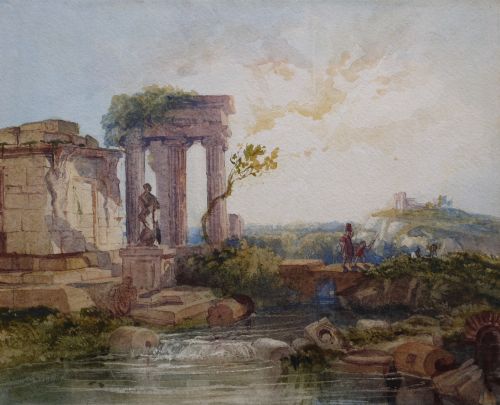
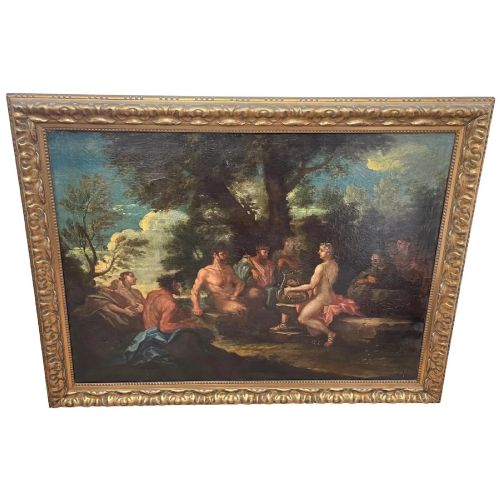
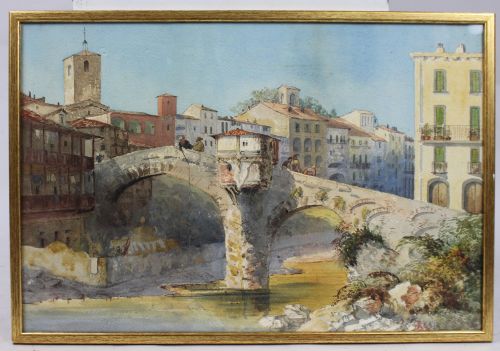
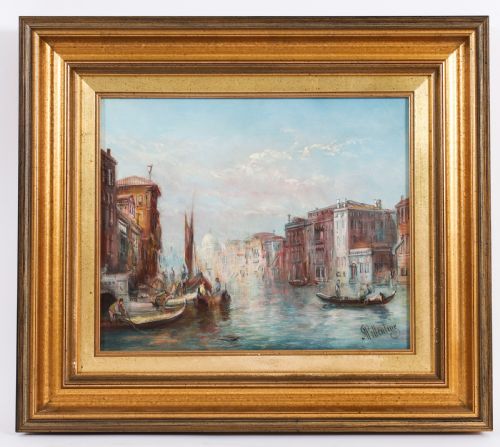
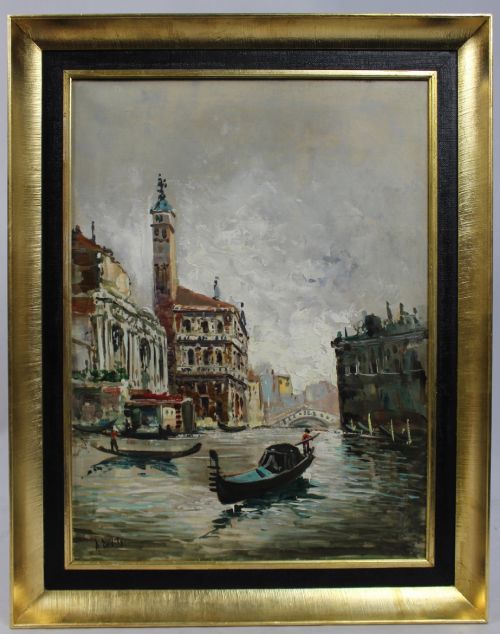
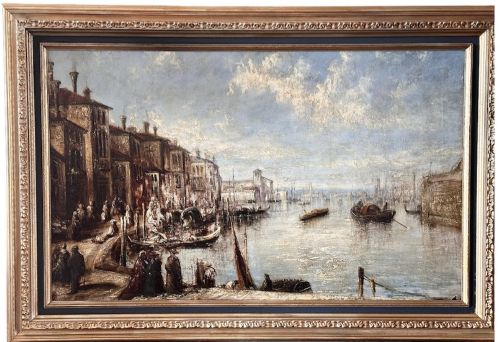
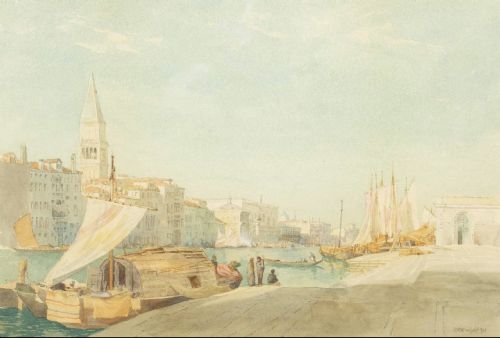
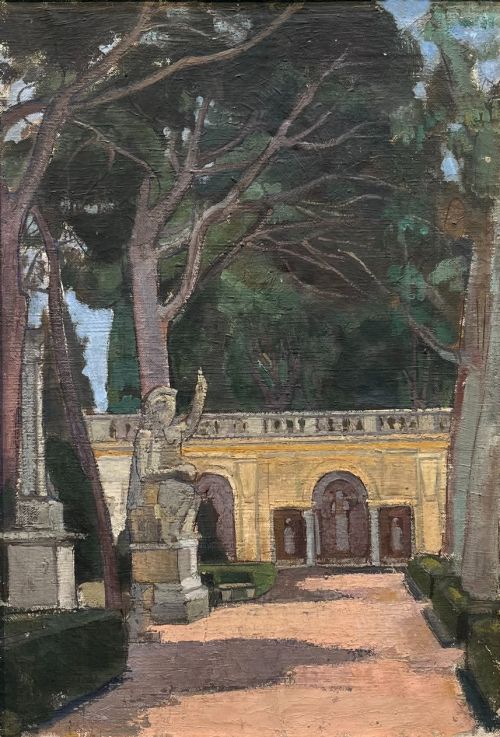
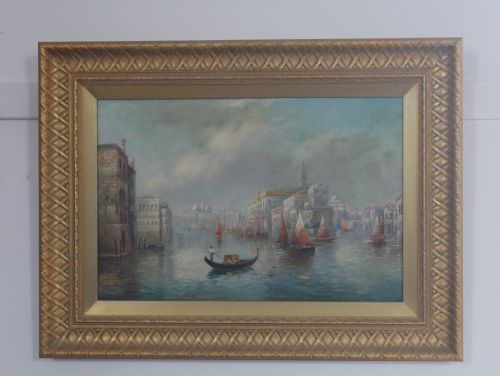
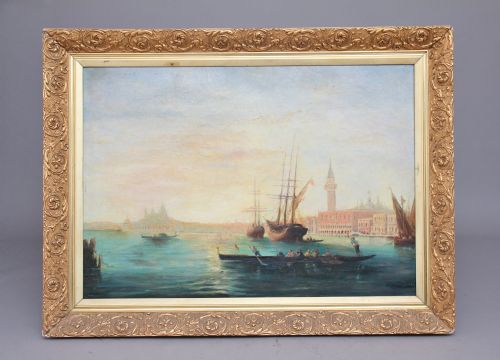
The most common formats on this page are oil paintings on canvas and watercolours on paper depicting recognizable views such as the Grand Canal in Venice, Roman ruins, and Tuscan countryside scenes. These range from intimate cabinet watercolours to large decorative canvases.
How they were made
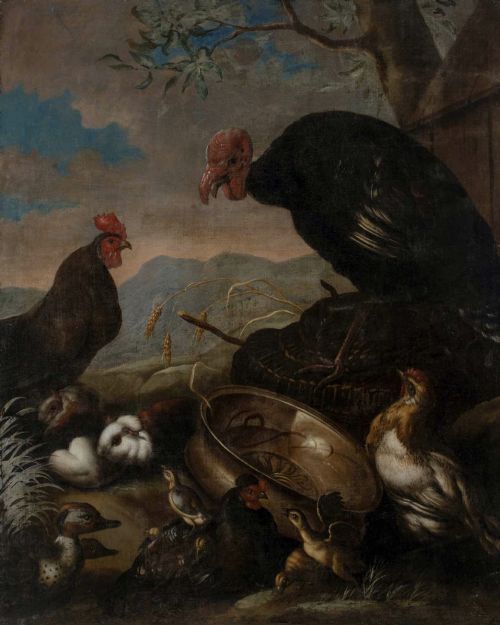
The primary mediums recorded in these works are oil paint on canvas and wood panels alongside watercolour applied to paper. Artists utilised traditional layering for oils, building depth with glazes, while watercolours relied on washes to capture the transient Mediterranean light.
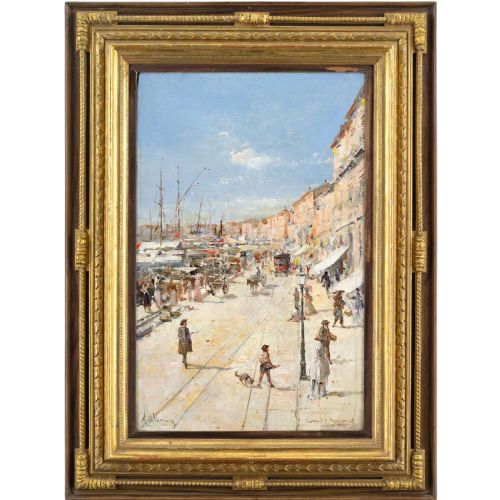
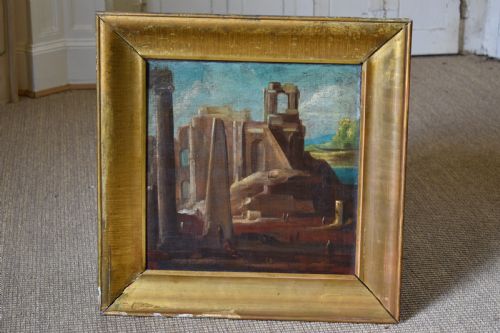
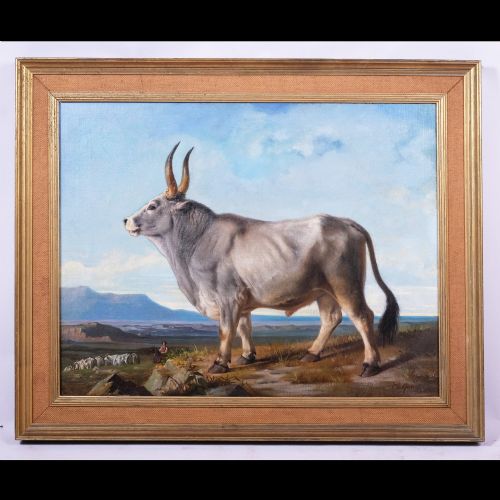
Framing forms an integral part of the physical object, with period pieces frequently housed in giltwood and gilded wood frames that complement the classical subject matter.
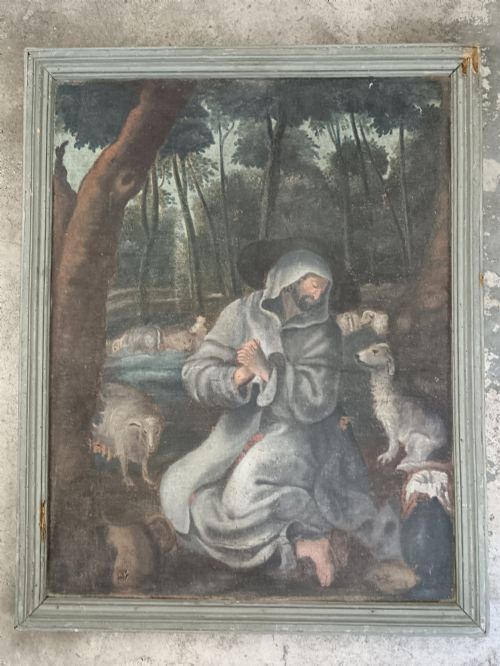
St. Francis once shared studio space with a very confused seventeenth-century cavalry skirmish.
What varies in quality
Quality in these works rests upon the confidence of the brushwork and the handling of perspective, particularly in architectural elements like classical ruins and palazzos. A stronger piece demonstrates precise control over light and atmosphere rather than relying solely on formulaic tourist imagery.
The sophistication of the palette and the preservation of the original support surface, whether canvas, panel or paper, distinguish superior examples from standard decorative works.
Angelo Maria Crivelli·Augusto Alberici·Alfred Pollentine·Antonio DeVity·Francis Moltino·Richard Henry Wright·Umberto Volpato·Carlo Ferranti·Robert George Talbot Kelly·Fernando Del Basso·Claude Jousset·William Raymond Dommersen·Franz Knebel·Arthur John Black·Olga Ceretti Borsini
The Italian Landscape Art Glossary
- Grand Tour
- A cultural journey of Europe formerly undertaken by young upper-class Europeans, which generated a strong demand for topographical paintings and watercolours.
- Giltwood
- Wood that has been treated with gold leaf or a gold-coloured finish, commonly found on period frames enclosing these artworks.
- Pentimento
- A visible trace of earlier painting beneath a layer or layers of paint, indicating that the artist made changes during the creation process.
- Pietra Dura
- An artistic technique utilising cut and fitted, highly polished coloured stones to create images, appearing here as framed stone panel artwork.
Italian Landscape Art: Frequently Asked Questions
What subjects appear in italian landscape art?
These works typically depict Venetian canals, Roman architectural ruins, lakes like Como and Garda, and pastoral countryside scenes.
Artists frequently focused on specific locations visited by travellers, including Naples, Capri, Sicily and various historic palazzos.
How do I date an antique painting?
Dating relies on stylistic evidence, stretcher construction, canvas type, and signatures or historical inscriptions on the reverse.
Period framing and labels from contemporary framers or exhibitions also provide reliable chronological indicators.
Were these painted on location?
Many watercolours and small oil sketches were produced directly on site during travels through the Italian peninsula.
Larger finished oils were frequently completed in studio settings using field sketches and preparatory drawings gathered during the journey.
How should I care for watercolour paintings?
Works on paper require protection from direct sunlight to prevent fading of the pigments and discolouration of the paper support.
Displaying them behind conservation-grade glass and maintaining stable humidity levels ensures the longevity of the watercolour medium.