




Italian Impressionist Artwork
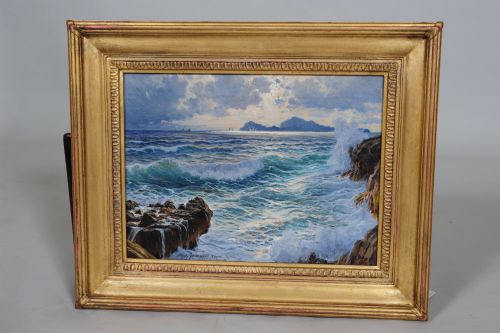
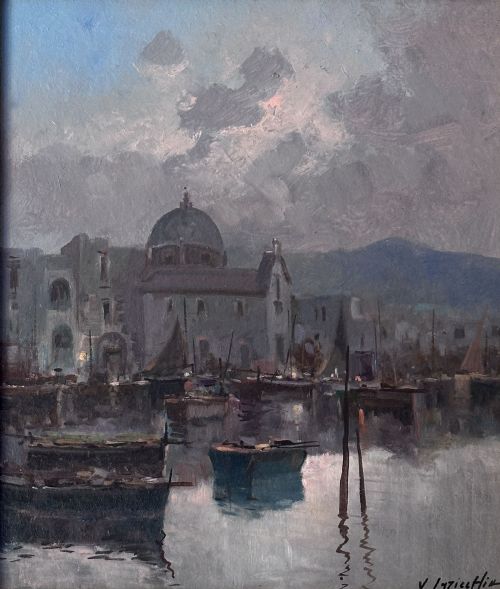
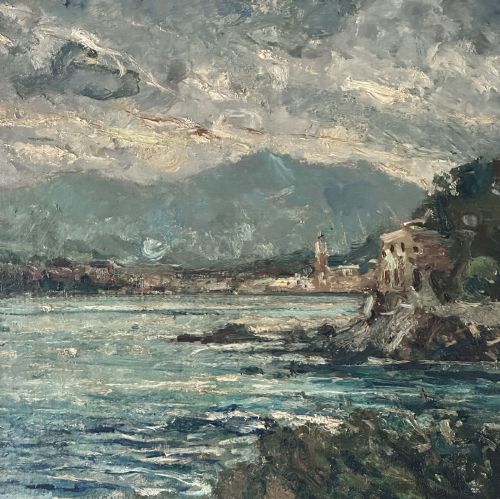
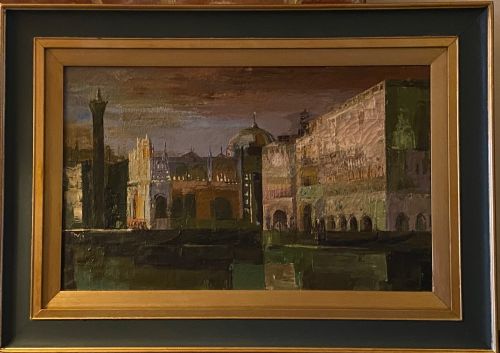
These Italian impressionist artwork pieces capture Mediterranean light and bustling canals, offering collectors a vivid window into southern European scenes.
Italian Impressionist Artwork
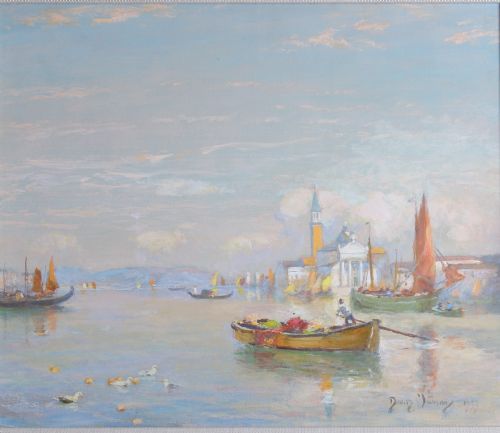
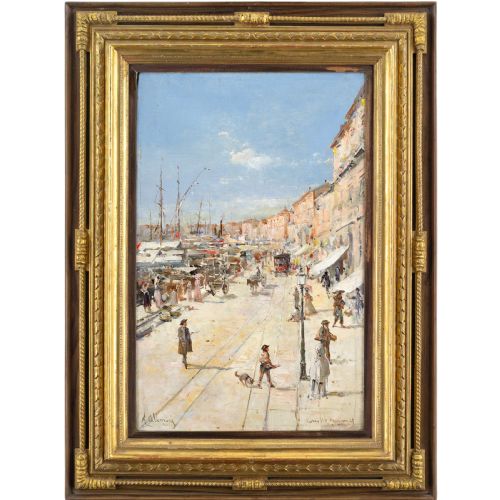
Italian impressionist artwork centres on painted views of Venice, coastal ports, and city streets. These pieces emerge from the nineteenth and twentieth centuries, spanning periods from nineteen-ten to nineteen-sixty.
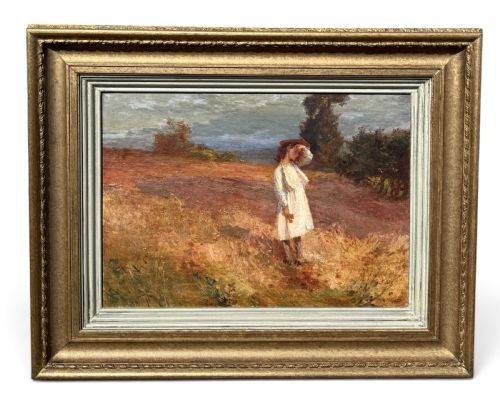
A buyer examining this selection encounters oil paintings on canvas alongside delicate watercolours on paper. The subjects range from sunlit marine vistas to quiet architectural corners across Italy.
How they were made
Artists worked primarily with oil paint applied directly to stretched canvas or panel supports. Watercolours on paper appear frequently among the surviving works, utilising fluid washes to capture atmospheric harbour light.
Gilt frames often enclose these canvases, preserving the painted surface and adding weight to the presentation. The physical construction relies on traditional stretched fabrics and wooden stretchers.
Italian Impressionist Artwork Retail Price Guide 2026
Typical asking prices for italian impressionist artwork among the pieces listed under this phrase on Sellingantiques today, from the lower quarter to the upper quarter. They describe what is for sale here now, not the wider market.
Gondoliers pass endlessly beneath stone bridges in these painted canals.
What varies in quality
Brushwork confidence distinguishes the strongest examples from more routine compositions. A skilled hand records light and shadow with swift, purposeful strokes rather than laboured blending.
Surface preservation affects the overall integrity of each piece, particularly regarding the stability of the oil layer and the clarity of the paper support in watercolours.
Michele Federico·Sushila Singh·Augusto Alberici·Umberto Volpato·Attilio Toro·Vincenzo Irolli·Claude Jousset·Vittore Zanetti Zilla·Hercules Brabazon Brabazon·Roberto Venturi·Emanuele Cappello·Henry Wimbush·Charles Clement Calderon·Helen Donald-Smith
The Italian Impressionist Artwork Glossary
- Canvas
- A heavy woven fabric stretched across a wooden frame to serve as a support for oil paint. It provides a durable surface that responds well to textured brushwork.
- Gilt
- A thin layer of gold leaf applied to the wooden surface of a picture frame. This finish enhances the visual separation between the painting and the surrounding wall.
- Watercolour
- A painting method where fine pigment is suspended in a water-soluble binder on paper. It relies on the white of the paper to shine through translucent washes.
- Impressionism
- A nineteenth-century artistic approach focused on capturing the visual impression of a moment, especially shifting light and colour. Practitioners favoured outdoor subjects and visible brush marks.
Italian Impressionist Artwork: Frequently Asked Questions
What subjects appear in these works?
The compositions focus heavily on Venetian canals, marine views, and Italian cityscapes.
Artists also recorded figures, architectural facades, and coastal ports across the country.
Which materials are most common?
Oil paint on canvas forms the majority of the works recorded in the inventory.
Paper watercolours also appear frequently, capturing lighter atmospheric effects.
How do I date these paintings?
Dates rely on artist biographical spans, period signatures, and stylistic traits.
Nineteenth- and twentieth-century examples dominate, ranging from eighteen-eighty through nineteen-sixty.
Where were these pieces created?
Many works were painted on location in Italy by visiting or native artists.
British and European painters frequently travelled to Rome, Venice, and Sicily to record the light.