
Italian Grand Tour Statue
An italian grand tour statue brings classical antiquity and Renaissance mastery directly into a room through finely rendered bronze and carved marble.
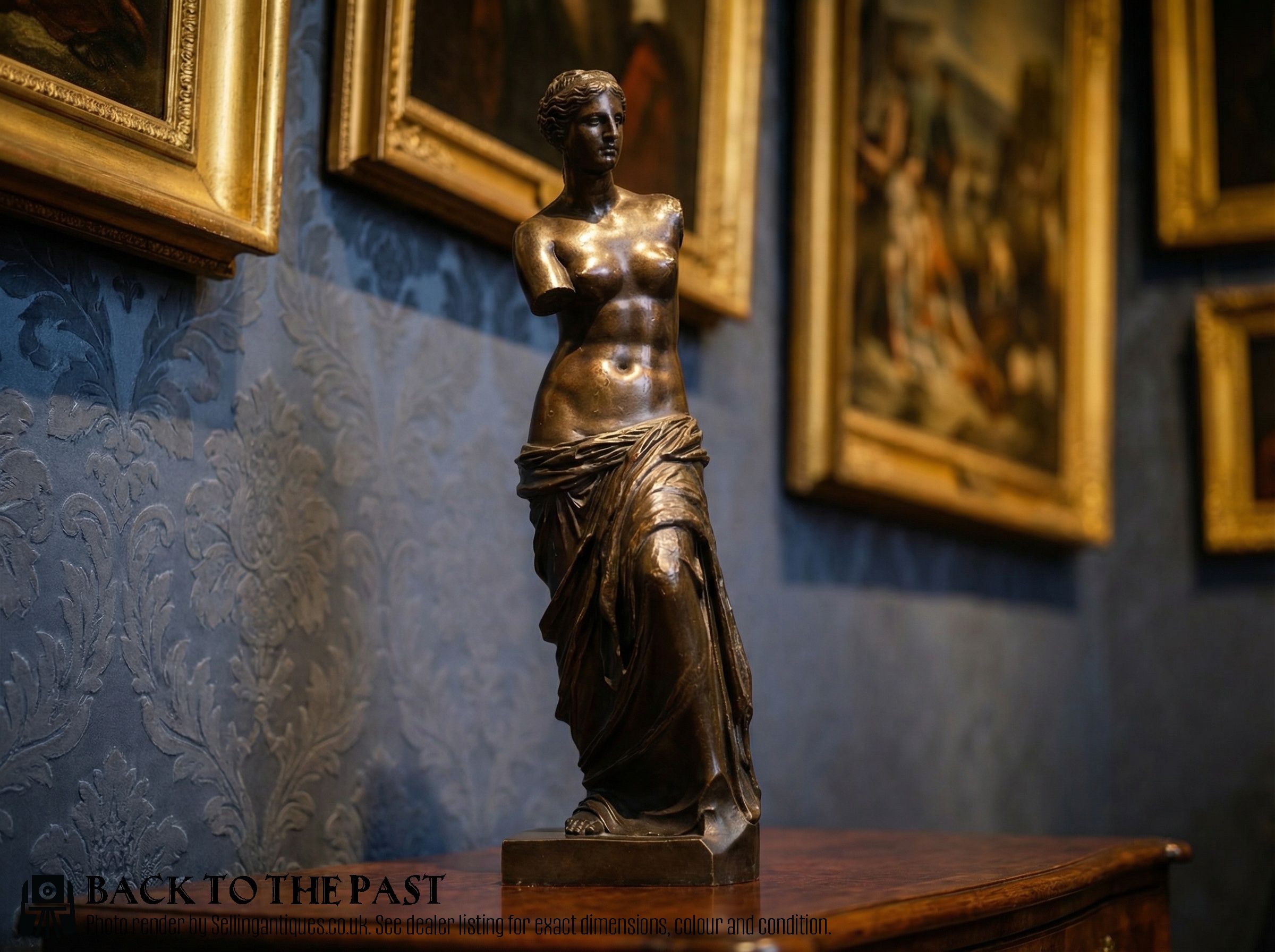
Italian Grand Tour Statue
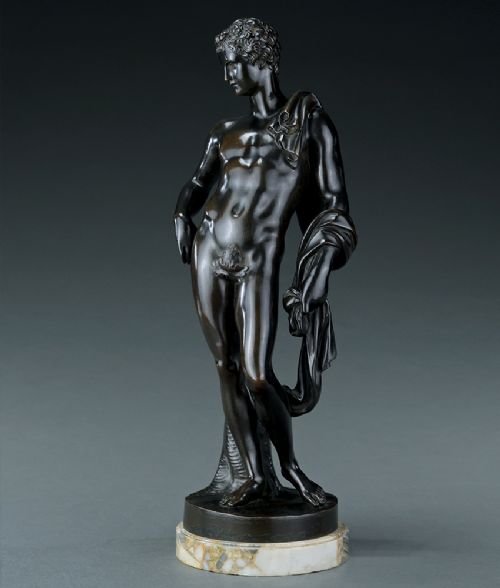
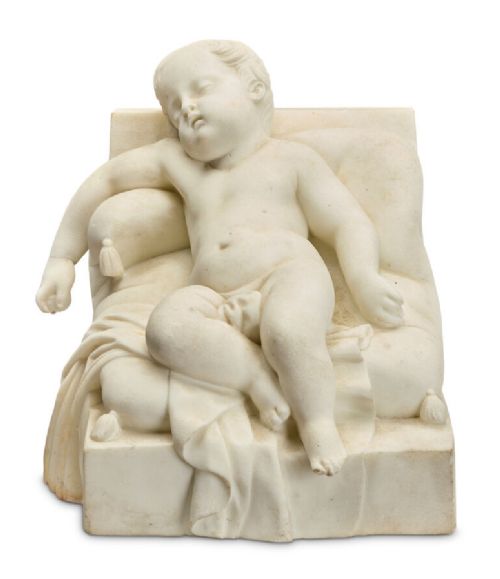
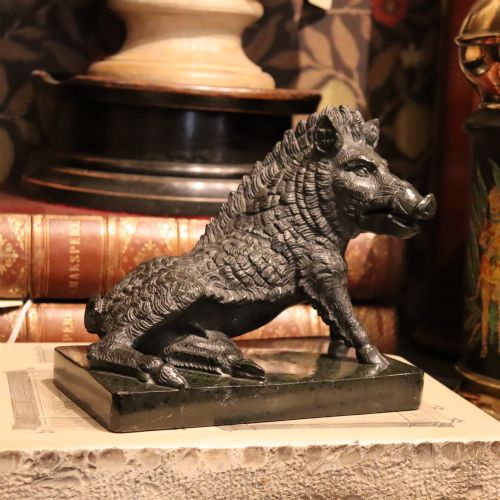
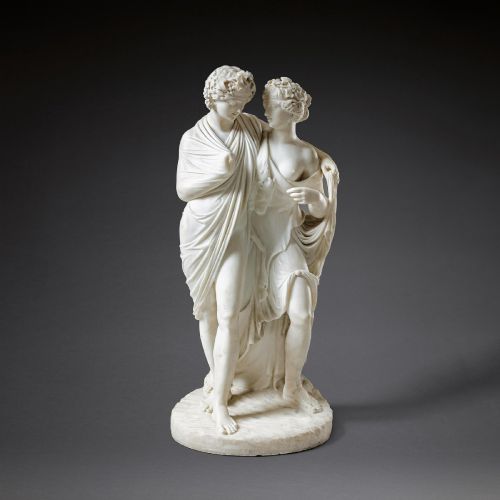
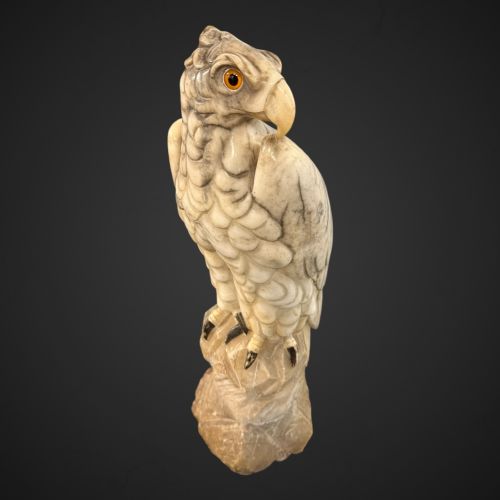
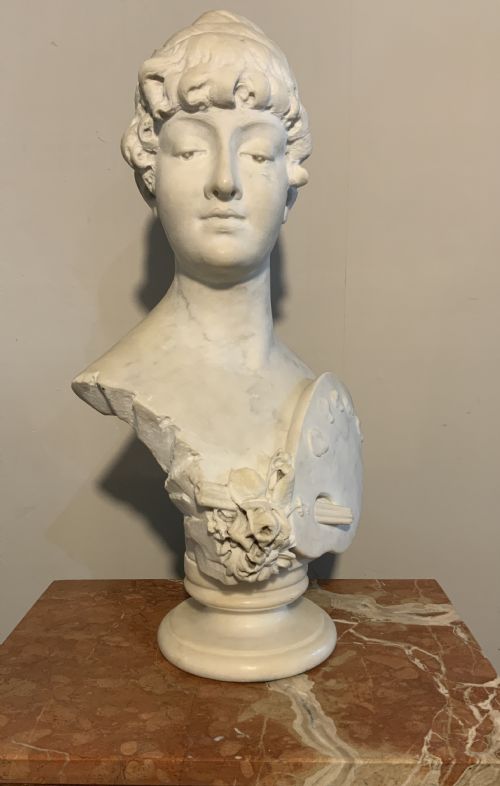
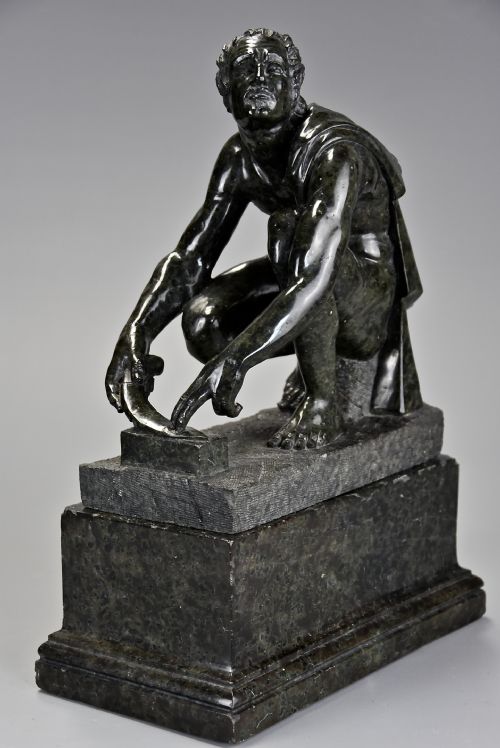
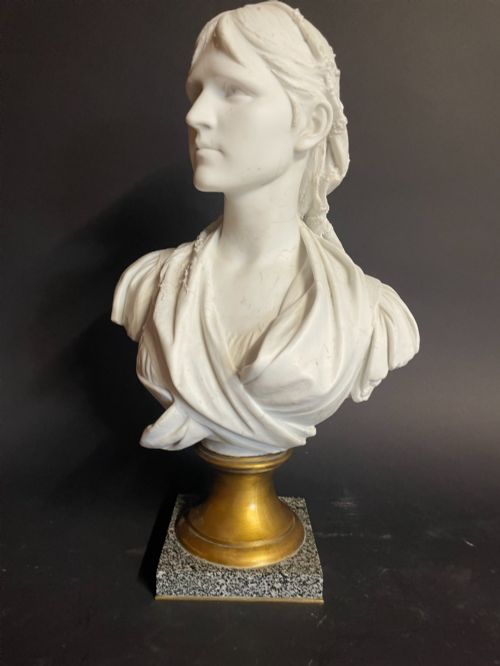
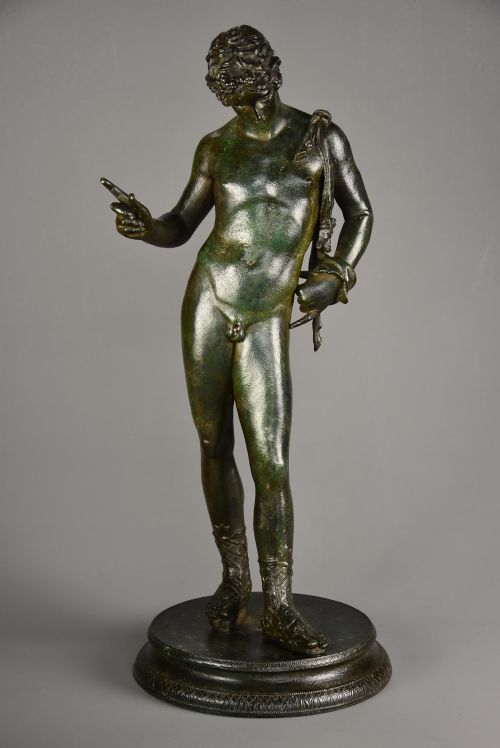
An italian grand tour statue represents miniature or full-scale souvenir bronzes, marble carvings, and terracotta figures acquired by travellers journeying through Italy during the nineteenth century. These works replicate famous classical sculptures, mythological figures, and architectural monuments seen in Roman and Florentine collections.
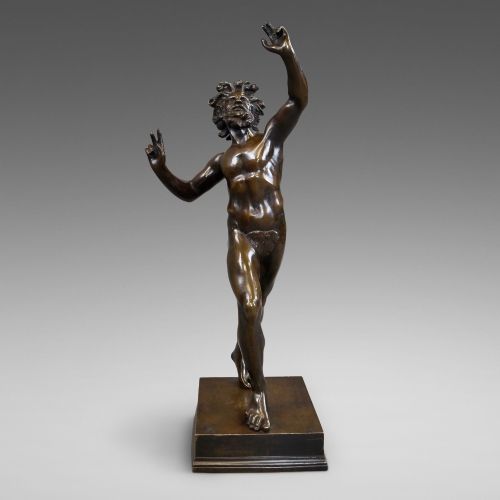
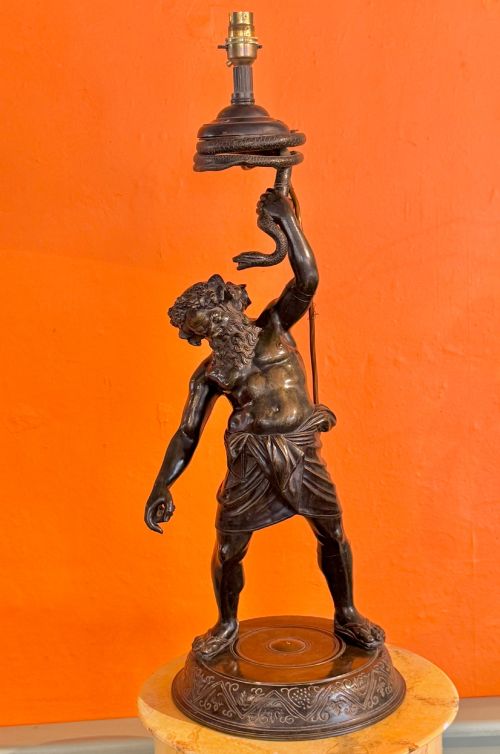
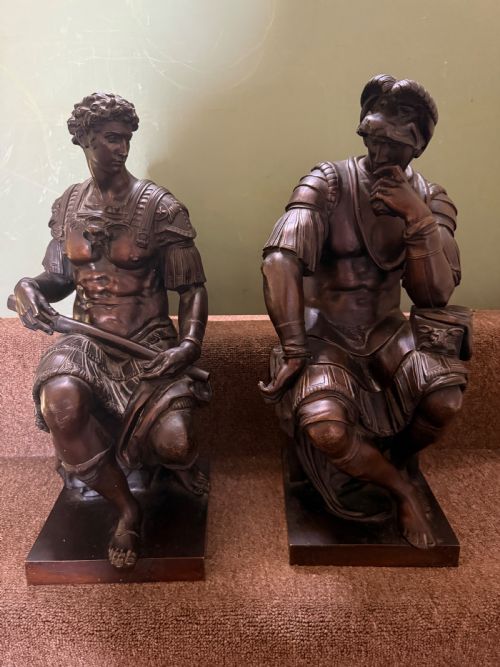
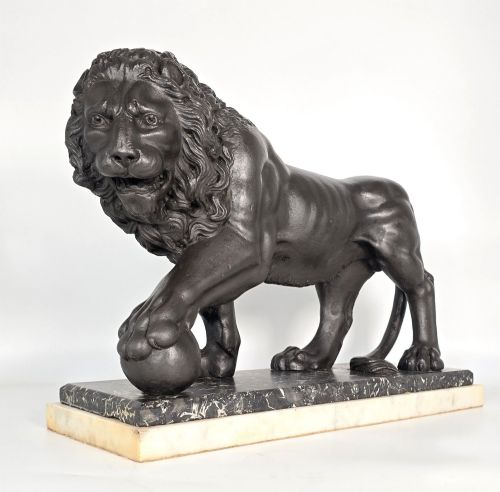
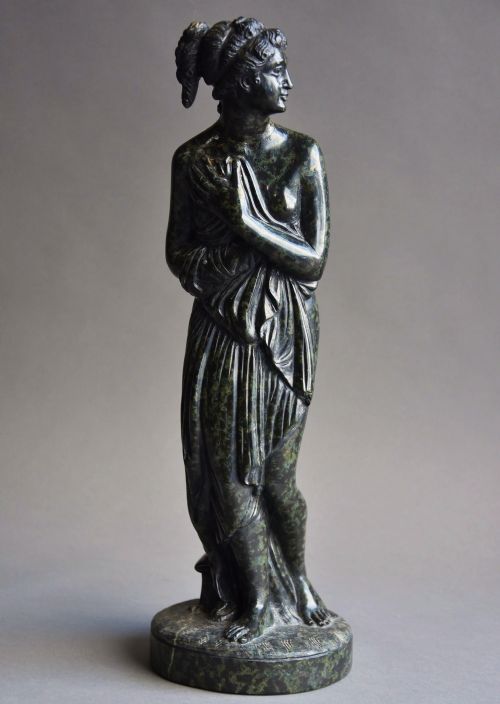
The most common versions encountered on this page date from the mid-to-late nineteenth century, cast in Neapolitan foundries or carved from serpentine and Carrara marble. Subjects range from dancing fauns and mythological deities like Bacchus to reductions of Renaissance masterpieces by Michelangelo and Giambologna.
Materials and Technique
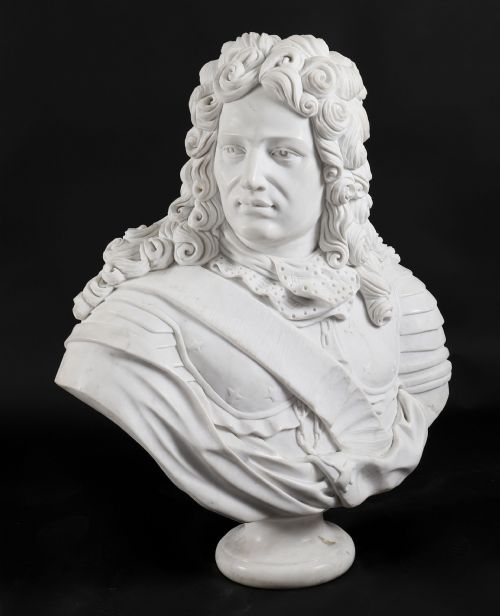
Foundries utilised the lost-wax casting method for bronze pieces, allowing intricate detail in figures, charioteers, and animals before applying chemical patinations ranging from deep dark tones to rich greens. Marble works were laboriously hand-carved using chisel and rasp from blocks of white Carrara, veined varieties, or green serpentine, often mounting the finished figures onto contrasting plinths.
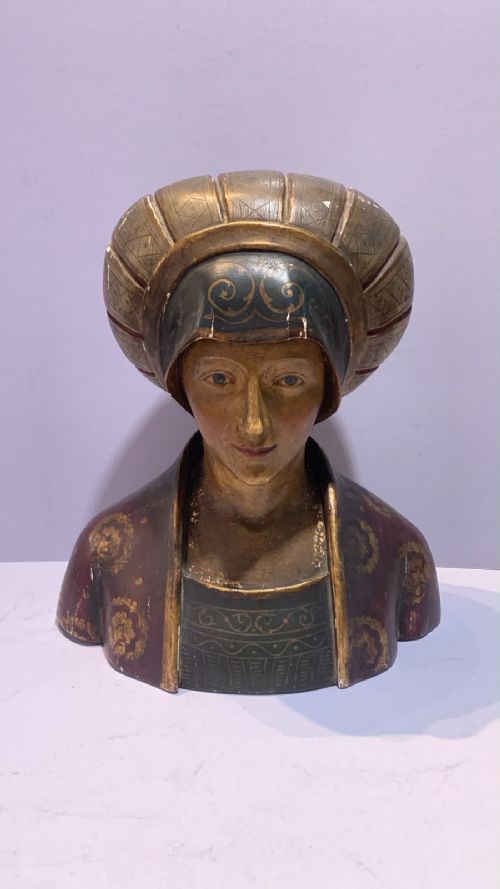
Selected works incorporate mixed media, pairing silvered or gilt bronze elements with olive wood bases, alabaster, or multi-coloured marble columns to mimic the polychromy of ancient Roman ruins.
Listings feature works spanning the nineteenth century alongside later twentieth-century iterations, utilising bronze, Carrara marble, serpentine, and terracotta.
Assessing Quality
Quality depends upon the crispness of the chasing in bronze casts and the depth of carving in marble pieces, where finer examples retain subtle musculature and facial expressions rather than soft, rounded contours. The precision of the reduction from the original monumental sculpture determines how well proportions are maintained across smaller souvenir scales.
Additionally, the quality of the material and the sophistication of the patination elevate certain objects, distinguishing standard souvenir foundry output from works produced by notable Italian workshops and skilled artisans.
Carlo Albacini·G Amodio Naples·Zoffoli
The Italian Grand Tour Statue Glossary
- Grand Tour
- A traditional journey through Europe, particularly Italy, undertaken by upper-class European young men in the eighteenth and nineteenth centuries to study the arts.
- Lost-wax casting
- A metalworking process where a molten metal is poured into a mould that has been created by means of a wax model.
- Patination
- The process by which a chemical treatment or natural weathering alters the surface colour and texture of bronze or other metals.
- Serpentine
- A group of green silicate minerals often used as a decorative stone for carving architectural models and sculpture bases.
- Neoclassical
- A Western cultural movement drawing inspiration from the art and culture of classical antiquity that heavily influenced nineteenth-century Italian sculpture.
Italian Grand Tour Statue: Frequently Asked Questions
How were these statues displayed originally?
Travellers placed these sculptures in libraries, studies, and drawing rooms on specially designed marble plinths, pedestals, or library tables. They demonstrated the owner's classical education and refined taste.
Larger figures stood on dedicated floor plinths, while smaller bronzes and architectural models occupied desk spaces and mantelpieces alongside books and antiquities.
How do I date a grand tour bronze?
Dating relies on examining the casting technique, the character of the surface patination, and the mounting style of the marble or wood base. Nineteenth-century pieces often show hand-finished chasing and specific foundry marks.
Comparing the sculptural proportions and the specific shade of the chemical patination against known foundry output helps narrow down the period of production.
Are marble and bronze the only materials used?
While bronze and white Carrara marble predominate, makers also utilised serpentine, alabaster, terracotta, and gilt or silvered bronze. Mixed media combinations frequently appear on architectural models and plinths.
Different stones like verdo prato or veined marble were chosen specifically to replicate the appearance of ancient Roman decorative materials.