

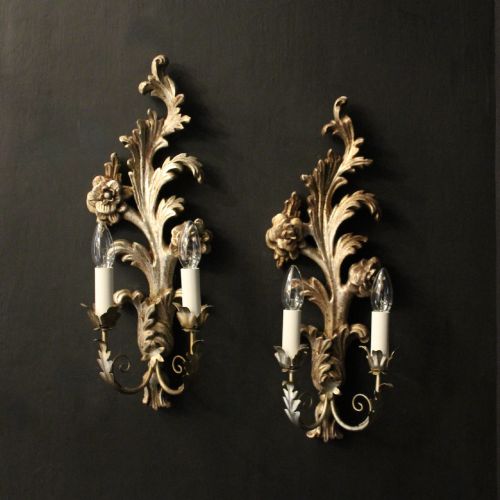


Italian Gilt Lamp
An italian gilt lamp brings warmth and rich texture into a room, drawing on centuries of craftsmanship in wood, bronze and gesso.
Italian Gilt Lamp
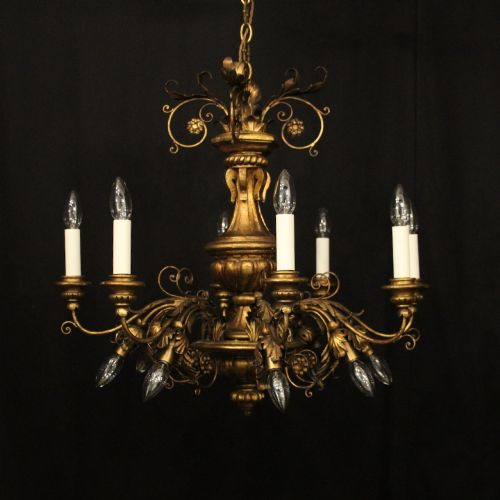
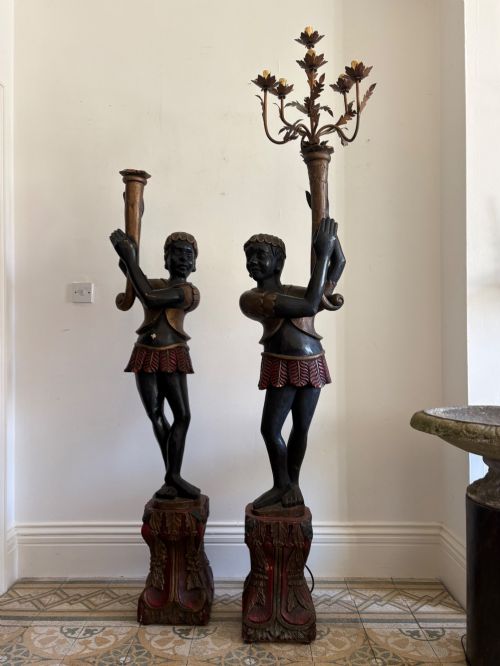
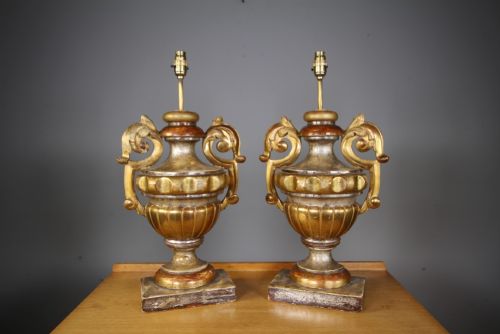
When you search for an italian gilt lamp, you encounter pieces ranging from towering standard lamps to smaller table bases and converted altar sticks. The most common examples on this page are carved giltwood floor lamps and table lamps originating from the nineteenth and early twentieth centuries.
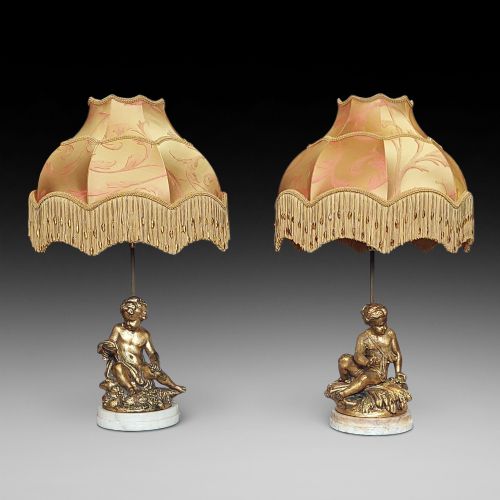
Many of these objects began life as church candlesticks, torcheres, or pricket sticks before receiving later electrical conversions. Their designs often lean into Florentine, Venetian Baroque, or Rococo Revival aesthetics, carrying ornate details like cherubs, acanthus leaves, and fluted columns.
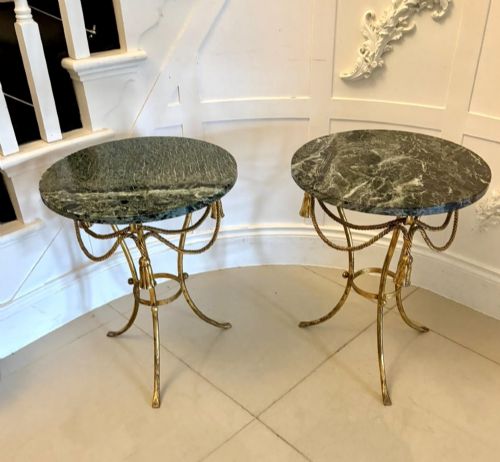
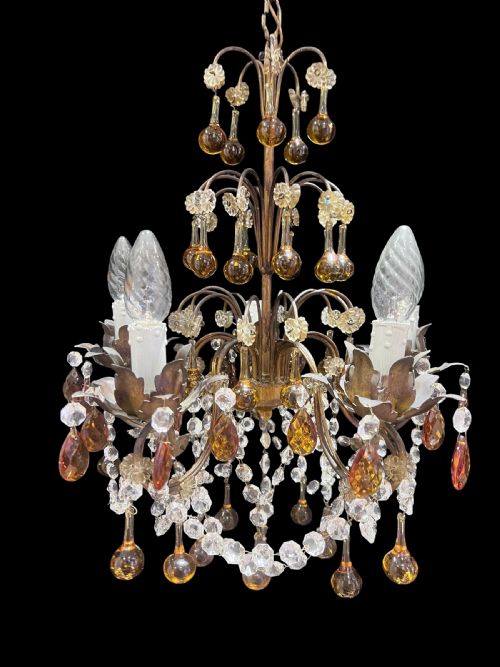
The inventory also includes occasional pairings with materials like verde marble, alabaster, and coloured crystals. Whether styled as tall standard floor pieces or compact bedside lights, they anchor a room with distinct historical presence.
Materials and Techniques
Makers shaped these bases primarily from carved pine, hardwood, or gesso over wood, applying layers of gold leaf, silver leaf, or polychrome paint. Giltwood and carved wood provide the structural foundation for the intricate floral and figural motifs typical of Florentine workshops.
Metal versions utilise cast gilt brass, bronze, and ormolu, sometimes paired with structural elements of verde marble or carved alabaster. Artisans built up surface texture through traditional gesso application before laying down the metallic leaf by hand.
Italian Gilt Lamp Retail Price Guide 2026
Typical asking prices for italian gilt lamp among the pieces listed under this phrase on Sellingantiques today, from the lower quarter to the upper quarter. They describe what is for sale here now, not the wider market.
Listings feature items spanning the Victorian and Edwardian eras, alongside pieces dated across the nineteenth and early twentieth centuries.
Distinctions in Quality
Quality rests in the depth and crispness of the hand-carved detail, where crisp acanthus leaves and expressive figural work separate superior pieces from simpler lathe-turned items. The handling of the gilding itself matters greatly; burnished gold leaf that retains its warmth and texture displays higher artistry than flat, modern metallic paints.
The integrity of the underlying structure also dictates value, particularly in how well converted altar sticks and torcheres adapt to modern electrical standards without compromising their historical form. Original polychrome highlights and well-preserved gesso layers elevate the visual weight of the piece.
The Italian Gilt Lamp Glossary
- Giltwood
- Wood that has been coated with gold leaf or a gold-coloured finish. This technique defines the bright, reflective surfaces seen across many traditional Italian floor and table lamps.
- Gesso
- A plaster-like mixture applied to wood surfaces to create a smooth base for carving and gilding. It allows artisans to model fine decorative reliefs before applying metallic leaf.
- Pricket stick
- A type of candlestick featuring an upright spike to secure a candle, frequently converted into a lamp base in later periods. These architectural elements add distinct height and verticality.
- Florentine
- A regional style known for ornate, carved wood and intricate leaf motifs originating from Florence. Pieces carrying this designation often display rich gilt and polychrome finishes.
- Torchere
- A tall decorative stand or candlestick designed to hold a light source. In lighting forms, these translate into grand floor-standing standards.
Italian Gilt Lamp: Frequently Asked Questions
How do I date an italian gilt lamp?
Dating relies on examining the timber species, the preparation layers beneath the gilding, and the style of hand-carving. Earlier nineteenth-century examples often show heavier hand-wrought iron components or deep pine carving beneath worn gesso layers.
Later twentieth-century productions tend to feature cleaner machine-turned elements alongside more uniform chemical gilding. Comparing the construction methods to known period pieces helps clarify the timeline.
Were all these lamps originally made for lighting?
Many taller pieces started as church altar candlesticks, torcheres, or pricket sticks before undergoing conversion for electricity. Craftsmen adapted these liturgical objects by running wiring through the central core while preserving the outer decorative structure.
This history explains the unusual height and architectural proportions found in several standard lamps. The conversion process preserves the antique character while making them functional for modern interiors.
What is the difference between giltwood and gilt metal?
Giltwood consists of carved timber coated in gold leaf or metallic paint over a gesso ground, offering a warmer, organic texture. Gilt metal typically uses cast brass, bronze, or ormolu, providing a heavier and more rigid structural framework.
Metal bases often incorporate stone elements like verde marble or alabaster columns. Both materials reflect light differently, with wood yielding a softer matte glow and metal offering sharper metallic highlights.
How do I care for antique gilded surfaces?
Gilded surfaces require gentle dusting with a soft, dry cloth to prevent abrasion of the delicate gold leaf layers. Avoid using chemical cleaners, liquid polishes, or abrasive materials that can strip away the historical finish.
Keeping the lamp away from direct sunlight and excessive humidity protects the underlying gesso and wood from cracking. Careful placement ensures the fragile leafing remains intact for years to come.