



Italian Baroque Seating
These pieces of italian baroque seating bring heavy carving and grand presence into a room, offering both historic craft and formal comfort.
Italian Baroque Seating
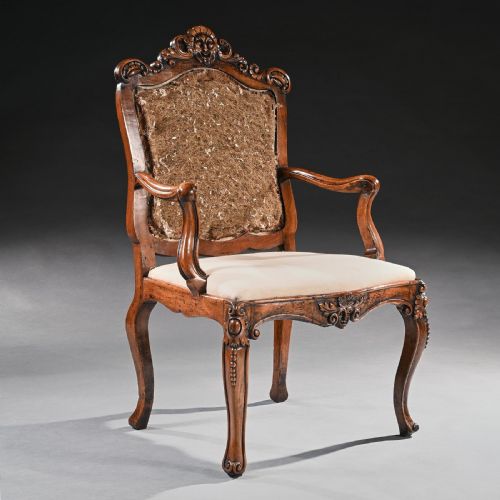
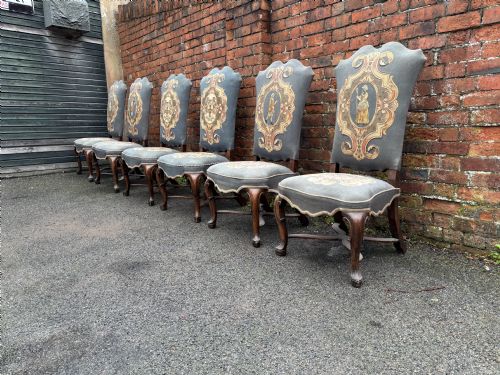
When you search for italian baroque seating, you are looking at heavy wooden frames designed for formal rooms in past centuries. The examples here span from the seventeenth century through to later revival periods, showing how local workshops adapted grand forms.
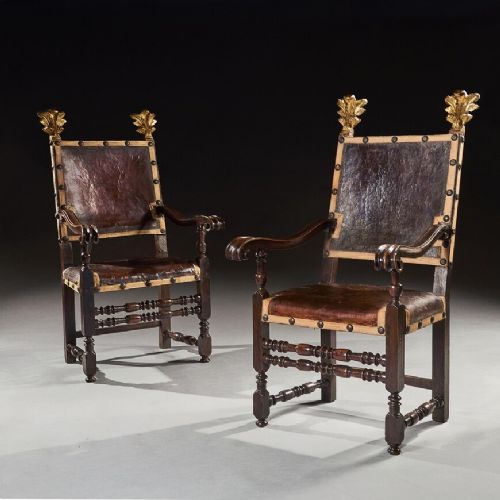
Armchairs and chairs dominate the selection, often shaped from walnut or brightened with giltwood. You will also find benches, stools, and distinct local forms such as the Venetian gondola chair and the folding Savonarola design.
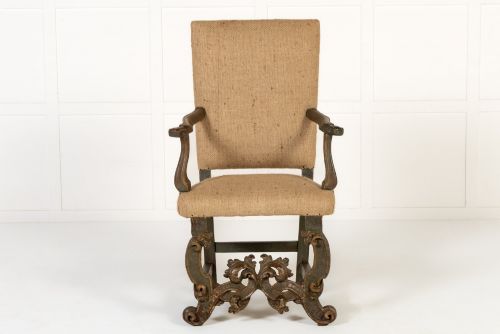
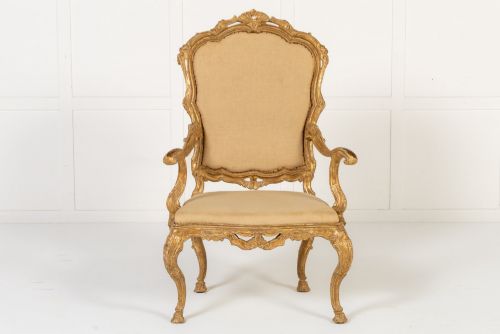
The earlier pieces rely on deep carving and dark timbers, whilst later eighteenth century examples introduce the lighter curves of the rococo style. Revival pieces from the nineteenth century copy these earlier patterns with varying degrees of ambition.
How they were made
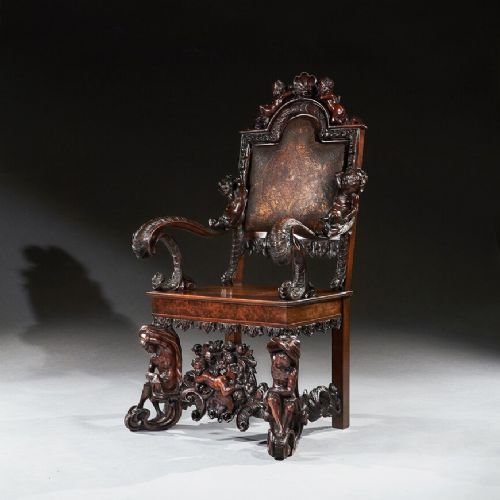
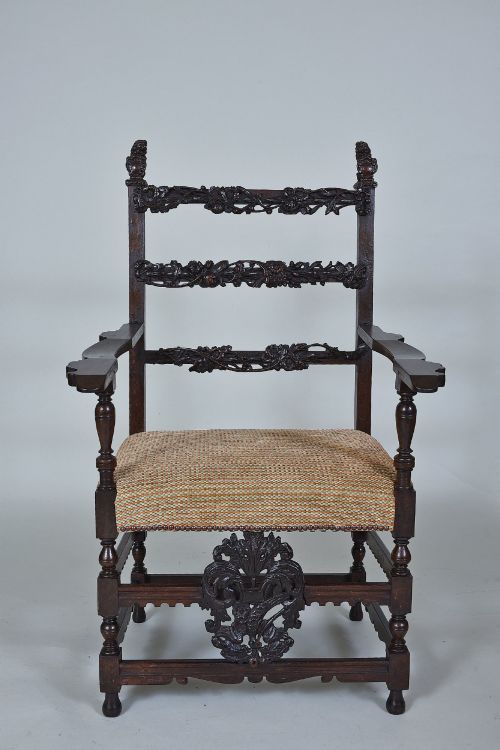
Carpenters shaped these frames from solid walnut and other native timbers, joining the parts with traditional pegged mortise and tenon construction. Surfaces often received elaborate hand carving, showing acanthus leaves, scrollwork, and figurative details.
Giltwood pieces gained their bright surfaces through the application of gold leaf over a prepared gesso ground on carved wood. Other frames were finished with plain polish, parcel-gilt highlights, or paint.
Original upholstery methods involved stuffing seats with natural fibres held by webbing and secured with iron tacks. Leather and various textiles, including heavy fabrics, provided the final covering for backrests and seats.
One chair bears the heavy influence of Andrea Brustolon, whose wild wood carvings sometimes turned furniture into theatrical sculpture.
What varies in quality
The depth and crispness of the wood carving separate standard seating from exceptional works. Master carvers created undercut foliage and expressive figures that retain sharp edges, whereas lesser pieces show shallow, blunt detailing.
The choice of primary timber and the original integrity of the frame structure define the worth of a chair. Pieces that retain their early gilding or original leather without extensive modern replacement command greater attention from collectors.
Andrea Brustolon
The Italian Baroque Seating Glossary
- Giltwood
- Wood coated with gold leaf over a prepared surface. This finish catches the light and was used to project wealth in grand reception rooms.
- Parcel-gilt
- Partially gilded woodwork where gold leaf highlights specific carved details against a dark wood or painted ground. It creates a subtle contrast across the frame.
- Savonarola chair
- A folding chair constructed from multiple intersecting curved wooden slats. It takes its name from a famous Florentine friar and offers a portable seat.
- Gondola chair
- An upholstered seat with a curved, enclosing backrest originating in Venice. The shape recalls the traditional boats of the city.
- Bobbin turned
- A style of furniture leg or stretcher shaped on a lathe to resemble a string of beads or bobbins. It appears on seventeenth century and revival seating.
Italian Baroque Seating: Frequently Asked Questions
Are these chairs comfortable to sit on daily?
These seats were built for formal display rather than modern lounging. Their upright backs and firm upholstery reflect the posture required in past centuries.
If you plan to use them regularly, check the height and seat depth to ensure they suit your daily routine.
How do I tell an original seventeenth century chair from a nineteenth century copy?
Look closely at the tool marks, the ageing of the walnut timber, and the way the joints fit together. Seventeenth century frames often show hand tool signatures and timber shrinkage consistent with age.
Nineteenth century revival pieces tend to have more uniform machine assistance and cleaner internal construction.
What is giltwood and how should I care for it?
Giltwood is wood covered with a thin layer of gold leaf applied over gesso. It requires a dry environment away from direct sunlight and moisture to prevent the surface from flaking.
Dust the carving very gently with a soft dry brush, avoiding any chemical cleaning products.
Where were these types of chairs placed in a historic interior?
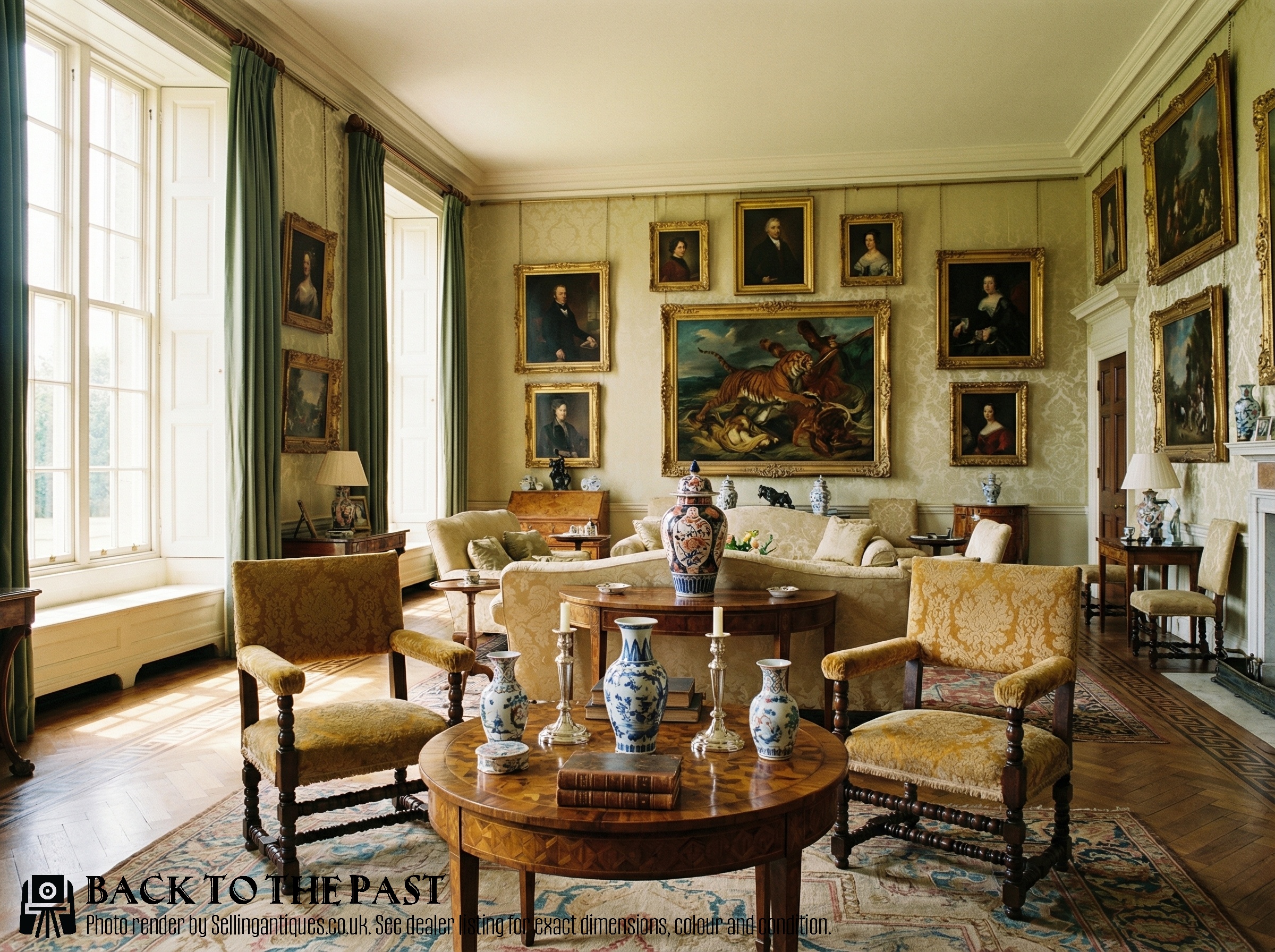
Grand armchairs stood against the walls of reception rooms and galleries to project status rather than sit around a dining table. Lighter chairs and stools were moved about as needed for conversation or card games.
Pairing matching armchairs gives a room the symmetrical balance favoured in baroque design.