


Italian Baroque Artwork
When you search for italian baroque artwork, you encounter centuries-old oil paintings and framed canvases rooted in southern European workshops.
Italian Baroque Artwork
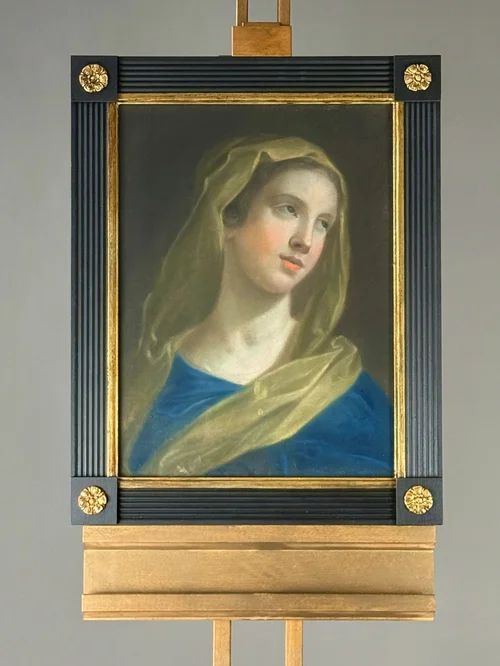
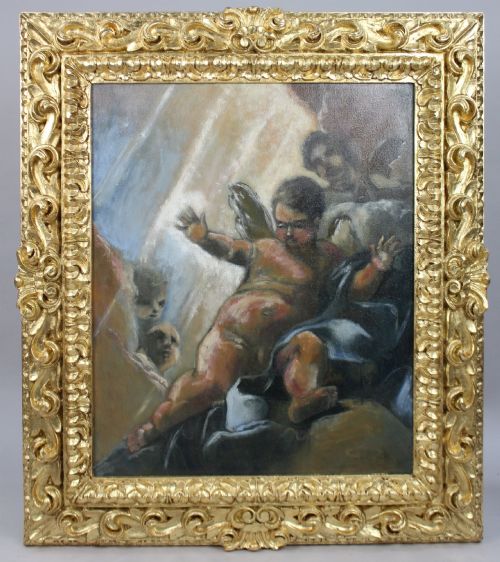
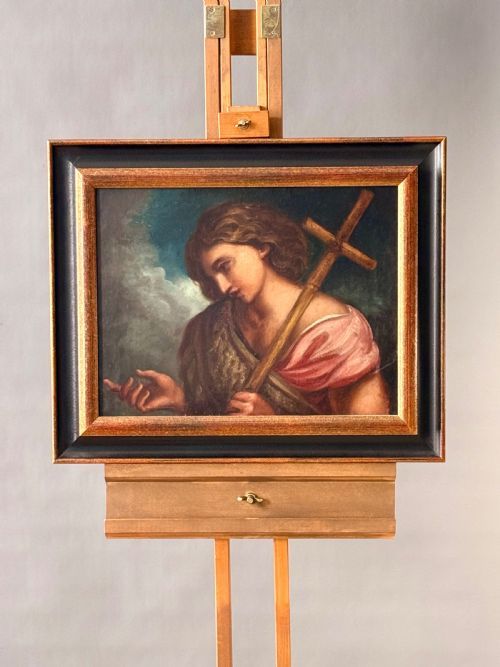
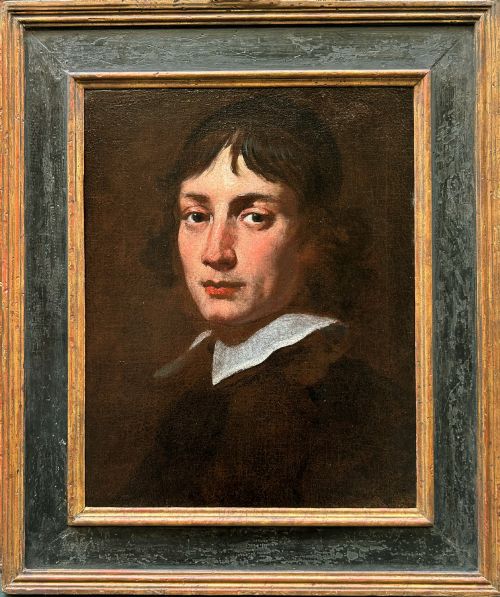
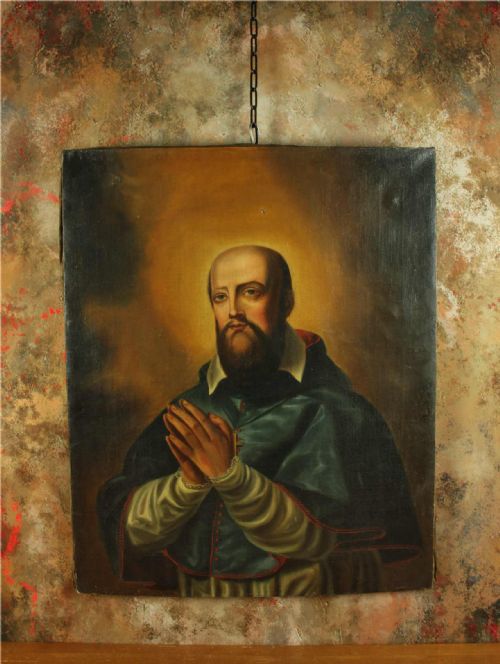
Italian baroque artwork encompasses historical paintings, framed oils on canvas, pastels, and drawings created primarily during the seventeenth and eighteenth centuries. These pieces typically depict religious narratives, classical landscapes, marine scenes, and formal portraiture executed by various regional schools across Italy.
The selections available here range from intimate miniatures and panels to large-scale canvas compositions. Buyers frequently encounter works attributed to specific regional circles, provincial followers, or studio workshops operating within the broader baroque tradition.
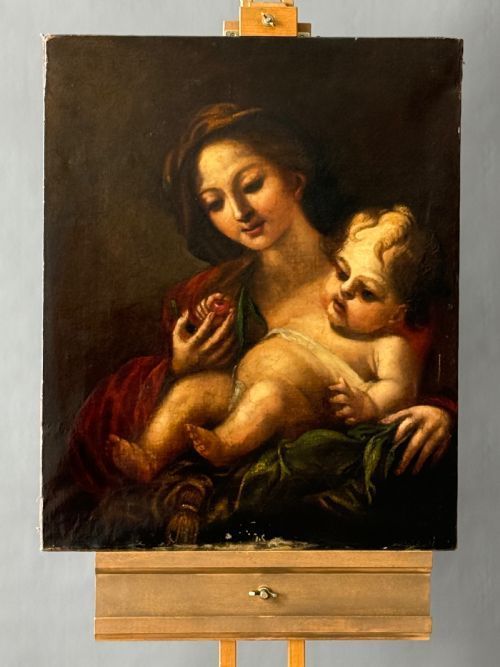
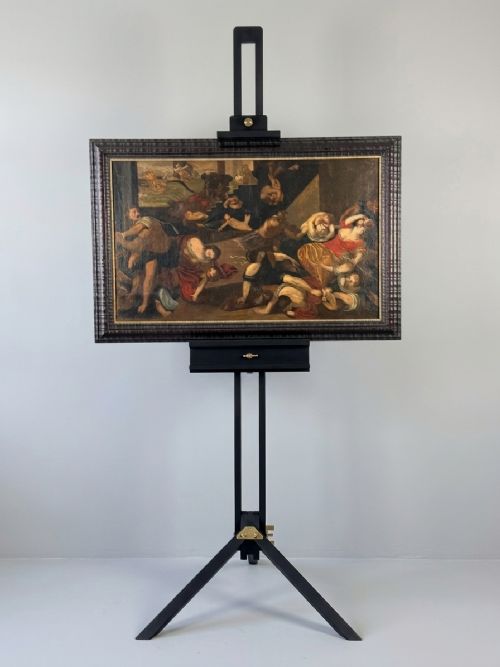
Religious themes such as madonnas, saints, and biblical histories dominate the subject matter, alongside secular portrait studies and still life arrangements. Each format reflects the theatrical compositions and dramatic lighting characteristic of the period.
Materials and technique
Painters of this tradition built their images using oil pigments applied to woven canvas supports or occasionally wooden panels. These surfaces received preparatory grounds before artists layered rich pigments to achieve deep shadows and luminous highlights.
Many works retain their period surrounds, constructed from carved timber finished with gold leaf, gilt, or gilding. These heavy frames form an integral component of the presentation, often showing historical repairs that correspond to the age of the canvas within.
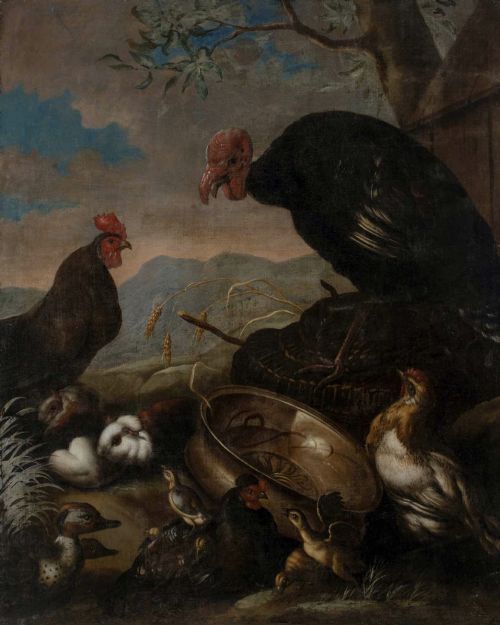
Several canvases capture birds and fowl congregating near castle ruins, proving that seventeenth-century ducks appreciated fine architecture.
Quality and execution
Distinctions in quality rest upon the fluidity of brushwork, the anatomical conviction of figures, and the preservation of the original pigment layers. Masterpieces exhibit confident handling in drapery and facial expressions, whereas provincial student pieces display stiffer rendering and simplified backgrounds.
The integrity of the surface canvas and the stability of the ground layer influence the desirability of a piece. Works retaining undisturbed original paint layers without extensive overpainting command greater attention from collectors.
Angelo Maria Crivelli·Benedetto Luti·Guillaume Courtois·Francesco Solimena·Claude Lorrain·Bartolomeo Schedoni·Francesco Zuccarelli·Gian Lorenzo Bertolotto·Francesco Albani·Antonio Tempesta·Pietro D’asaro·Andrea Celesti·Orsola Maddalena Caccia·Pompeo Batoni·Giacomo Nani·Fra Galgario
The Italian Baroque Artwork Glossary
- Oil on Canvas
- Pigments mixed with drying oils applied to a stretched textile support. This combination allowed artists to blend tones smoothly and build rich textures.
- Giltwood
- Timber carved into decorative moulding and coated with fine gold leaf or metallic powder. It provides a reflective border suited to seventeenth-century canvases.
- Old Master
- A term denoting European artists of high skill working before the nineteenth century. It frequently applies to painters of the Italian schools.
- School
- A grouping of artists working in a particular region or following a master's stylistic approach. Listings often reference Roman, Venetian, or Emilian schools.
- Panel
- A rigid wooden support used by painters prior to the widespread adoption of canvas. Fruitwood and other dense timbers served this purpose.
Italian Baroque Artwork: Frequently Asked Questions
How do I identify a seventeenth century canvas?
Examination of the canvas weave, stretcher construction, and pigment composition provides clues to age. Seventeenth-century supports typically utilise hand-woven linen with irregular threads.
The style of the preparation layer and the method of framing also offer physical evidence regarding the date of creation.
What is an old master painting?
An old master painting is a work produced by a skilled European artist before the nineteenth century. These pieces usually reflect academic training and regional traditions.
Such artworks frequently depict historical, mythological, or religious narratives intended for devotional or decorative display.
How should I hang a gilded frame?
Gilded wood frames require secure wall fixings capable of supporting substantial weight, particularly for large canvas works. Hanging them away from direct sunlight protects the ancient pigments.
Stable indoor humidity prevents the underlying timber frame and gesso layers from cracking or warping over time.
What distinguishes regional Italian schools?
Regional schools developed distinct palettes and compositional habits based on their geographic location. Venetian painters focused on colour and light, while Roman artists emphasised dramatic form.
Identifying these traits helps historians attribute unsigned works to specific cultural hubs across Italy.