



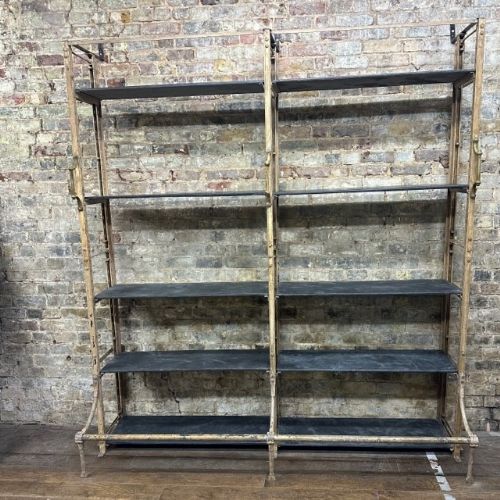
Iron Shelving Unit
An iron shelving unit brings industrial strength and utilitarian charm to modern interiors, offering robust storage shaped by practical utility.
Iron Shelving Unit
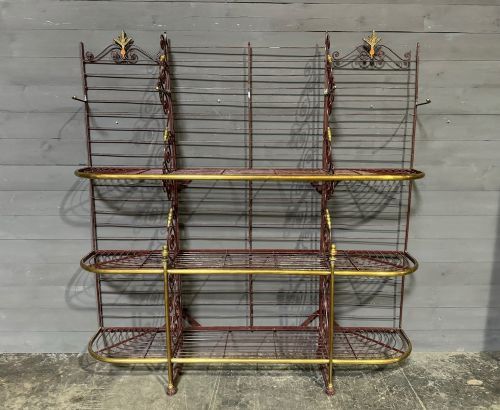
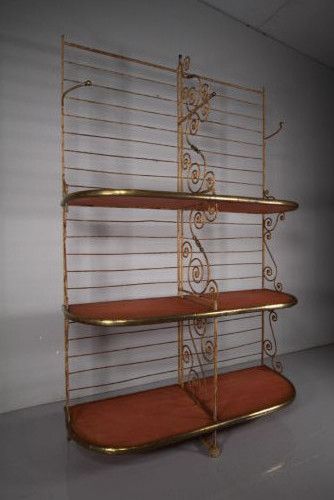
When searching for an iron shelving unit, buyers encounter sturdy pieces originally designed for utilitarian, commercial, or domestic tasks across the nineteenth and early twentieth centuries. The selection on this page leans heavily towards French bakers racks, patisserie racks, and shop display stands from periods such as the Victorian era and the Edwardian years.
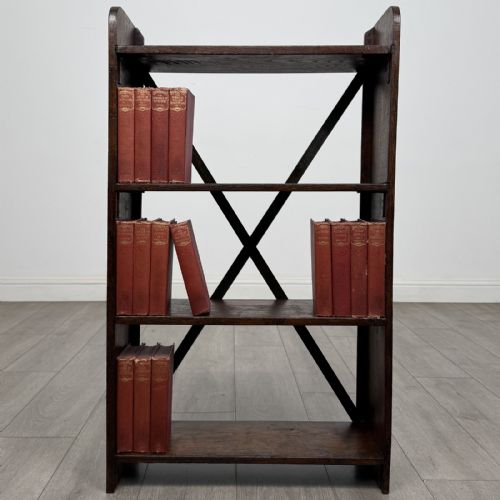
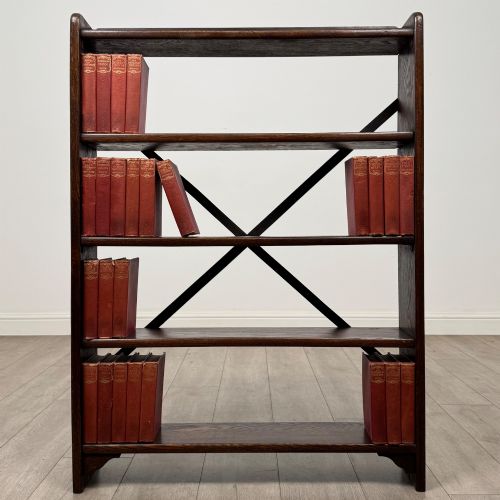
Forms vary from open bookcases with iron cross backs to large Parisian boulangerie racks and kitchen dressers incorporating slate or timber shelves. These objects combine metal frames with materials like oak, pine, and glass to create functional storage solutions with distinct historical character.
Construction and materials
Makers constructed these pieces using durable metals such as wrought iron, cast iron, steel, and brass, often combining them with hardwood shelves made of oak or pine. Metalwork techniques involved scroll-work, riveting, and stamping to form rigid frames capable of supporting heavy loads in bakeries and shops.
Secondary materials like slate and glass appear in specific display and kitchen contexts, providing flat, hygienic surfaces that complement the load-bearing metal structures.
Iron Shelving Unit Retail Price Guide 2026
Typical asking prices for iron shelving unit among the pieces listed under this phrase on Sellingantiques today, from the lower quarter to the upper quarter. They describe what is for sale here now, not the wider market.
Listings feature pieces from the 19th Century, Victorian era, Edwardian period, and the 1920s, constructed from wrought iron, brass, steel, oak, pine, and slate.
Distinction in quality
Quality in these pieces rests upon the finesse of the metalwork, distinguishing standard utilitarian frames from items featuring intricate scroll-work, maker stamps, or high-grade brass detailing. The integration between the iron framework and timber or slate components demonstrates the builder's joinery skill.
Original surface patination and structural integrity separate well-preserved examples from heavily altered items, ensuring that the historical character remains intact without compromising everyday utility.
The Iron Shelving Unit Glossary
- Bakers rack
- A metal shelving unit originally used for cooling bread and pastries in commercial bakeries. These typically feature open wire or metal slats.
- Boulangerie rack
- A French term for a bread rack used in patisseries and bakeries during the nineteenth and early twentieth centuries. They often incorporate decorative scroll-work and sturdy iron frames.
- Wrought iron
- Iron that has been heated and hammered into shape by a blacksmith, known for its fibrous texture and tensile strength. It is common in nineteenth-century scroll-work.
- Cross back
- A structural bracing arrangement forming an X shape on the rear of a shelving unit or bookcase. This adds lateral stability to open-backed furniture.
- Patination
- The natural surface change, wear, and oxidation that develops on metal and wood over decades of use. It provides visual depth to antique pieces.
Iron Shelving Unit: Frequently Asked Questions
What is an iron shelving unit used for?
These units serve as practical storage solutions for books, kitchenware, and decorative objects in domestic spaces. Their open structure allows them to function effectively as display stands or bookcases.
Historically, many of these pieces held baked goods, kitchen provisions, or retail merchandise. Today, they bring industrial character into modern rooms while maintaining high load-bearing capacity.
How do I identify a 19th-century bakers rack?
Nineteenth-century bakers racks typically feature hand-forged wrought iron frames, sometimes bearing manufacturer stamps from Parisian or English workshops. They often display detailed scroll-work and heavier metal gauges than later reproductions.
Associated materials like aged oak, pine, or slate shelving further indicate the period. Examining the construction joints helps confirm nineteenth-century manufacturing techniques.
Can I use an antique display stand in a modern kitchen?
These stands integrate well into contemporary kitchens for storing dishes, cookware, or dry goods. Their original design for commercial or kitchen use makes them well-suited for culinary environments.
Proper care involves protecting timber and iron surfaces from excessive moisture. Ensuring stable placement prevents tipping when loaded with heavy items.
What is the difference between cast iron and wrought iron?
Cast iron is poured into moulds while molten, resulting in rigid, brittle forms with uniform textures often seen in decorative framing. Wrought iron is worked by hand while hot, creating a fibrous structure that bends rather than breaks under stress.
Shelving units may combine both materials depending on whether a part required complex moulding or high tensile strength.