



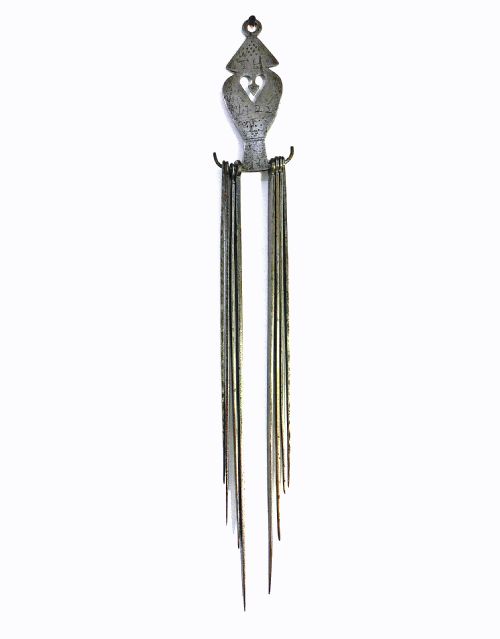

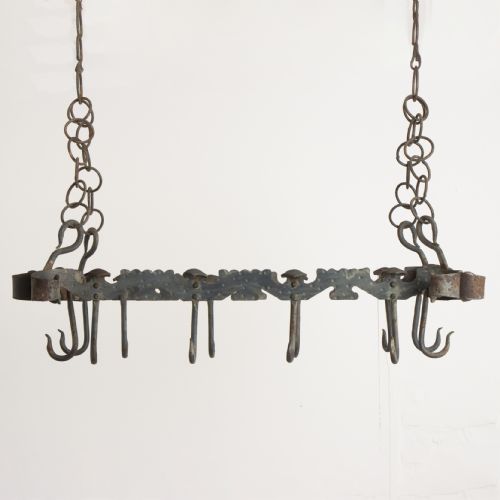


Wrought Iron Kitchen Rack
These wrought iron kitchen rack pieces bring genuine utility and robust character to a room, offering sturdy storage forged by hand.
Wrought Iron Kitchen Rack
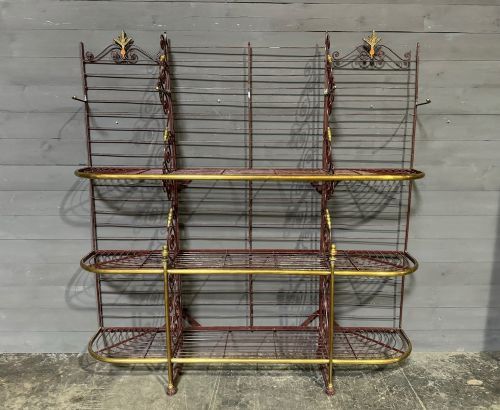
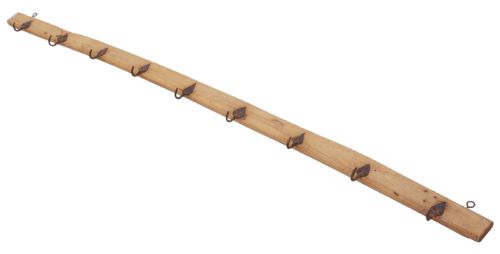
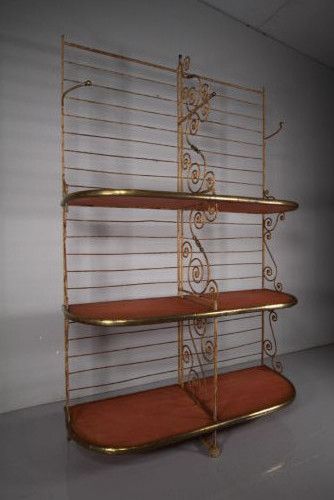
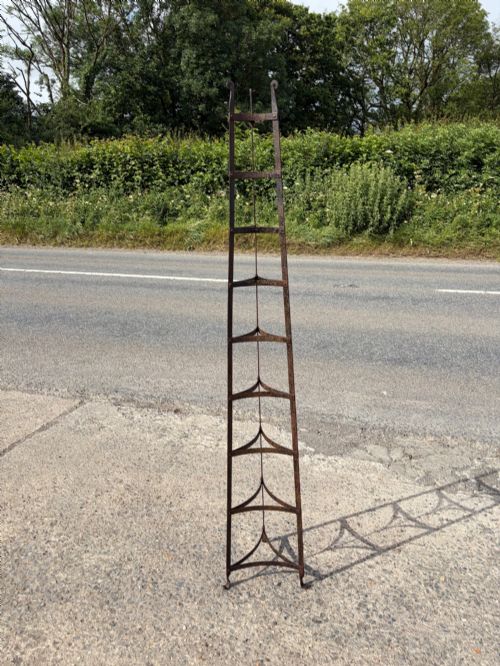
When you search for a wrought iron kitchen rack, you encounter practical utility pieces designed to hold cookware, plates, and game in busy domestic spaces. These items include bakers racks, pan stands, saucepan racks, wall hooks, and pot holders spanning several centuries.
The most common examples you meet on this page are French bakers racks and tiered pan stands originating from the nineteenth century. These forms reflect both French provincial traditions and Victorian kitchen requirements.
The objects vary from tall multi-tiered freestanding stands to wall-mounted game hook racks and pot holders. Each piece demonstrates how heavy metalwork was shaped to serve demanding culinary environments.
How they were made
Blacksmiths forged these items using wrought iron and steel, hammering heated metal into rigid frames, scrolls, and hanging hooks. This traditional hot-working method produced durable structures capable of supporting heavy copper and iron pots.
Some examples incorporate secondary materials such as brass fittings, metal wire, or pine elements to complement the primary iron framework. Stamped marks occasionally identify the workshop or maker responsible for the construction.
Wrought Iron Kitchen Rack Retail Price Guide 2026
Typical asking prices for wrought iron kitchen rack among the pieces listed under this phrase on Sellingantiques today, from the lower quarter to the upper quarter. They describe what is for sale here now, not the wider market.
Materials documented across the inventory include wrought iron, brass, steel, pine, and mixed metals used in structural frames and hanging hardware.
What varies in quality
The distinction between standard utility items and finer examples lies in the complexity of the ironwork and the deliberateness of the forging. Hand-hammered scrollwork, multiple integrated tiers, and stamped maker details elevate a piece beyond basic workshop production.
Proportions and structural integrity also dictate the standing of a rack, with larger freestanding bakers racks and extensive multi-tiered pot stands requiring precise balance. The presence of original hooks, mounts, and patinated surfaces preserves the integrity of the original design.
Dubois of Lyon
The Wrought Iron Kitchen Rack Glossary
- Wrought iron
- A tough, malleable form of iron containing silicate slag inclusions, traditionally shaped by hand on an anvil. It resists corrosion better than modern steel and shows subtle surface striations from the forging process.
- Bakers rack
- A tall, open shelving unit traditionally used in European bakeries for cooling bread and storing utensils. These structures typically feature multiple tiers of slatted iron shelves and decorative scrollwork.
- Pan stand
- A freestanding or multi-tiered metal rack designed specifically to hold heavy pots and saucepans off the floor. They allow air circulation around damp copper or iron cookware.
- Game hook rack
- A horizontal rail fitted with metal hooks used historically for hanging game birds, meats, or kitchen implements. They are commonly mounted to walls or ceiling beams.
- Arts and Crafts
- A design movement valuing handcraftsmanship, simple utility, and traditional materials over mass production. Objects from this period display honest construction and minimal surface embellishment.
Wrought Iron Kitchen Rack: Frequently Asked Questions
What is a wrought iron kitchen rack used for?
These racks served as functional storage for heavy cookware, baking equipment, and meats in historical domestic spaces. Kitchens relied on them to keep pots, pans, and utensils organised and accessible near cooking hearths.
Today, buyers use them in modern kitchens or pantries for storing dishes, displaying cookbooks, or holding plants. Their open iron construction provides durable load-bearing storage with a distinct historical aesthetic.
How do I identify a 19th-century bakers rack?
Nineteenth-century bakers racks typically feature hand-forged wrought iron frames with scroll details, slatted metal shelves, and sometimes brass accents. French and Victorian examples often show the characteristic weight, hand-hammered textures, and construction methods of that era.
Examine the joints and metal texture for signs of traditional blacksmithing rather than modern machine welding. Maker stamps or regional design traits can also help confirm the period of origin.
Are these racks suitable for modern kitchens?
These robust metal racks integrate well into contemporary spaces, offering practical vertical storage for heavy items like cast iron skillets and ceramic bowls. Their open frames keep items visible and accessible while maintaining a compact footprint.
Ensure that wall-mounted racks are secured to appropriate studs to support the weight of heavy ironware. Freestanding pot stands should be placed on level flooring to maintain stability.
How do I care for antique wrought iron?
Preserve antique iron by keeping it clean and dry, occasionally applying a light coat of neutral wax or microcrystalline wax to protect the surface from moisture. Avoid harsh chemical cleaners that can strip the historic patina.
Dust regularly with a soft cloth and inspect joints periodically to ensure the metal remains stable. Proper indoor humidity levels will prevent active corrosion on older iron surfaces.