
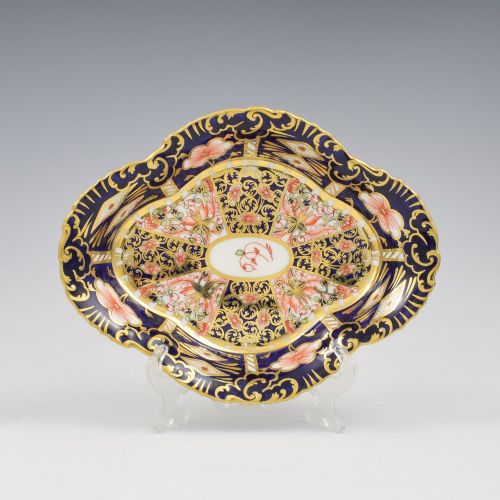
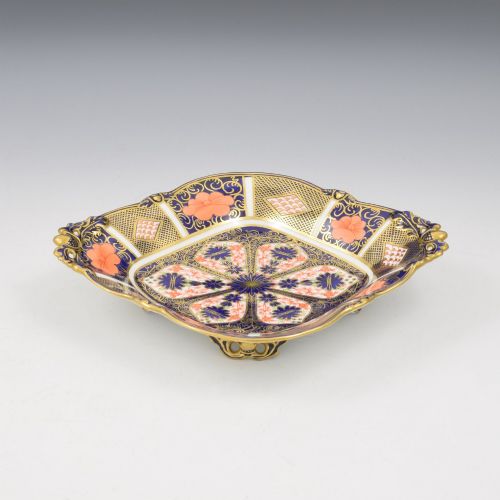


Iron Red China Dish
An iron red china dish brings striking copper-orange tones and traditional patterns into a room, offering both history and bold visual character.
Iron Red China Dish
When you search for an iron red china dish, you encounter a selection of ceramics spanning the eighteenth, nineteenth, and early twentieth centuries. These range from nineteenth century Imari plates and chargers to eighteenth century soft-paste porcelain butter dishes decorated in the Kakiemon style.
The objects listed on this page appear in various forms including decorative plates, serving dishes, chargers, and butter dishes. They draw upon Japanese Imari, Victorian Imari, English Imari, and Regency Chinoiserie traditions.
You are most likely to meet pieces produced in nineteenth century styles or Japanese imari from around nineteen hundred. They bridge utilitarian serving roles and purely decorative displays on walls or tables.
How they were made
The makers formed these objects from porcelain, bone china, ceramic, and soft-paste porcelain before applying detailed hand-painted designs. Enamel colours and gold leaf or gold gilt provide the contrasting highlights characteristic of the style.
Techniques combine underglaze and overglaze methods where the distinct iron red pigment fixes permanently during high-temperature kiln firings. Artisans then added supplementary gilt detailing and secondary enamel pigments such as blue to complete the composition.
Materials across these listings include enamel, gold leaf, porcelain, bone china, ceramic, gilt, and soft-paste porcelain.
What varies in quality
Quality separates through the precision and delicacy of the hand-painted brushwork across the ceramic surface. Superior examples demonstrate sharper control in the iron red pigment and finer application of gold leaf or gilt.
The depth of the body porcelain and the sophistication of forms, such as deep lobed serving dishes or pierced trays, mark out the better productions. Pieces aligned with specific historical traditions like Kakiemon style or registered patterns display greater artistic ambition.
Royal Crown Derby·Masons
The Iron Red China Dish Glossary
- Iron red
- A brick-red metallic oxide pigment derived from iron, used extensively in ceramic decoration. It provides the dominant warm red hue on these plates and dishes.
- Imari
- A style of Japanese export porcelain featuring deep blue, iron red, and gold. English potteries subsequently adopted and adapted these vibrant colour schemes.
- Kakiemon
- A style of Japanese enamelled porcelain characterised by asymmetrical floral and bird motifs, notably including quail patterns. European factories frequently copied these distinct aesthetic choices.
- Charger
- A large decorative plate or platter intended primarily for display rather than for serving food at the table. They showcase expansive painted surfaces.
- Soft-paste porcelain
- A ceramic material composed of clay and glass frit, fired at lower temperatures than hard-paste. It creates a warmer body common in eighteenth-century English pieces.
Iron Red China Dish: Frequently Asked Questions
What is an iron red china dish?
An iron red china dish is a ceramic plate, bowl, or serving vessel decorated with a distinctive copper-red pigment derived from iron. These pieces often incorporate rich enamel colours and gilt highlights.
They derive from various traditions, including Japanese export wares and English adaptations from the eighteenth to the twentieth centuries.
How were these dishes used originally?
Many of these items functioned as tableware for serving food, butter, or side dishes during formal meals. Chargers and decorative plates were also used for display in dining rooms.
Over time, many transitioned into pure cabinet or wall pieces due to their striking visual patterns.
How do I care for antique china?
Antique china requires gentle hand washing in lukewarm water with mild soap. Avoid modern dishwashers and harsh abrasive sponges that can damage the delicate enamel and gold leaf.
Store them securely on stable surfaces or use proper plate hangers if displaying them on walls.
How can I tell periods apart?
Periods are identified by body materials, base marks, and the specific painting style applied to the ceramic surface. Soft-paste porcelain and Kakiemon patterns typically point towards the eighteenth century.
Nineteenth and early twentieth-century pieces often reflect Victorian or Edwardian manufacturing standards and factory stamps.