

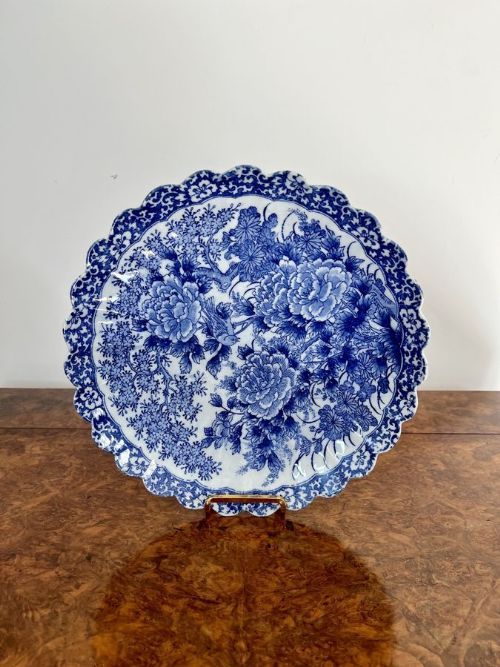


Japanese Style Imari China
These pieces of Japanese style imari china bring together vivid palettes and rich historic forms to anchor any room.
Japanese Style Imari China
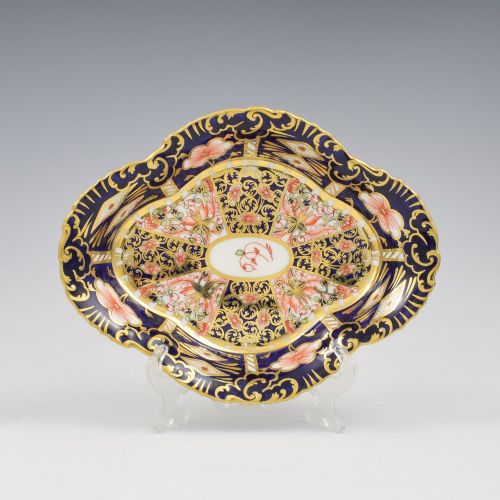
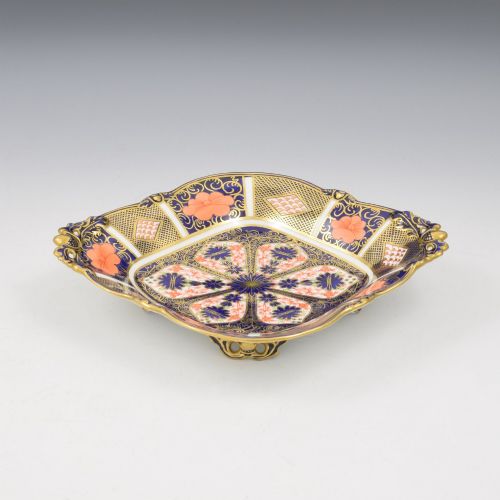
When you search for Japanese style imari china, you encounter a striking cross-current of Eastern and Western ceramic traditions spanning the eighteenth to the early twentieth century. These items include decorative plates, serving dishes, bowls, coffee sets, vases, and butter dishes made across various historical eras.
The objects on this page bridge genuine Japanese origin pieces from periods like the nineteenth century and Edo or Meiji, alongside domestic interpretations from English factories such as Derby and Staffordshire. English makers adopted the vibrant aesthetic, producing pieces in styles like Victorian Imari, English Imari, and Kakiemon derivatives.
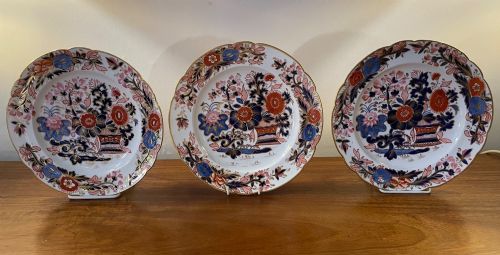
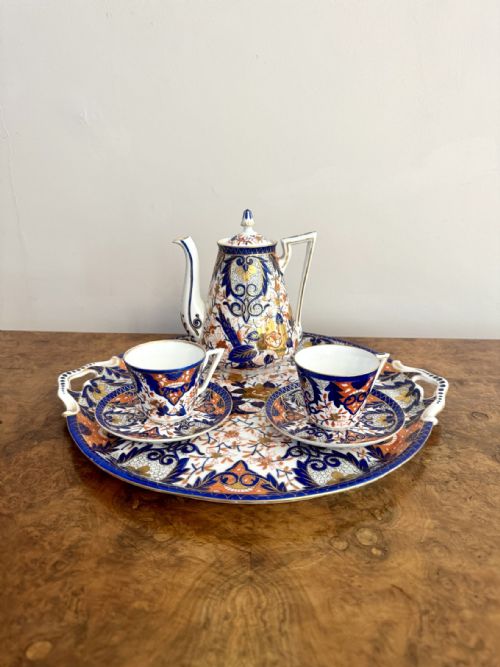
You are most likely to meet nineteenth century porcelain plates, scalloped edge bowls, and serving trays bearing rich hand-painted iron-red and cobalt details. The range extends from English bone china coffee sets and butter dishes to traditional Japanese porcelain forms.
Materials and Methods
Makers produced these ceramics using porcelain, bone china, and earthenware as the primary structural bodies, shaped into lobed serving dishes, scalloped edge bowls, and delicate vases. These ceramic bases provided the durable foundation necessary for intricate surface decoration.
Decorators applied rich cobalt glaze beneath the transparent layer, combined with overglaze enamel and gold leaf or gold gilt highlights. This technique created the signature contrasting palette that defines the Imari style across both English and Japanese workshops.
Listings feature porcelain, bone china, and earthenware items spanning the nineteenth century, Victorian period, and early twentieth century.
Assessing Quality
The standard of painting and gilding separates the finest pieces from simpler domestic wares, visible in the precision of the cobalt glaze and the richness of the enamel and gold leaf applied over the porcelain or bone china. Early nineteenth century examples often display meticulous brushwork in patterns like the Two Quails design.
Form and potting technique also distinguish the collection, where deep lobed serving dishes, pierced trays, and scalloped edges demonstrate superior craftsmanship compared to standard circular plates. The integration of Kakiemon style motifs and the prestige associated with specific factories like King Street Derby influence the character of each item.
Royal Crown Derby·Stevenson and Hancock
The Japanese Style Imari China Glossary
- Imari palette
- A distinct colour scheme utilising underglaze cobalt blue, iron red, and supplementary enamel colours, often enriched with gold gilt.
- Kakiemon style
- An asymmetrical decorative tradition featuring refined naturalistic motifs such as birds and florals, highly influential on early nineteenth century European porcelain.
- Bone china
- A type of soft-paste porcelain incorporating bone ash, developed in England to create a durable, translucent body for tea and coffee sets.
- Cobalt glaze
- A metallic oxide pigment applied under the glaze to produce deep blue tones that withstand high kiln temperatures without fading.
- Gold gilt
- A decorative metallic application used to accent rims, patterns, and handles on plates, bowls, and vases.
Japanese Style Imari China: Frequently Asked Questions
What is Japanese style imari china?
It encompasses both imported Japanese porcelain and European interpretations that adopt the characteristic cobalt blue, iron red, and gold palette. These items range from decorative plates and bowls to coffee sets and butter dishes.
English factories like Derby and Staffordshire reinterpreted the traditional aesthetic during the nineteenth century, producing distinct domestic variations alongside authentic imported pieces.
How do I date imari china?
Dating relies on identifying the material, factory marks, and stylistic period, such as nineteenth century production or Victorian era manufacturing. Examining the paste, whether porcelain, bone china, or earthenware, also helps narrow the age.
Makers often included specific pattern numbers or factory stamps on the underside of serving dishes and plates, which provide reliable chronological markers.
How were these pieces used?
Plates, bowls, and serving dishes served functional dining purposes during formal meals and tea services, while also acting as decorative display items in period interiors. Coffee sets and butter dishes were integral parts of nineteenth century table settings.
Over time, many of these items transitioned purely into decorative objects due to their intricate enamel and gold leaf decoration.
How do I care for antique imari china?
Gentle hand washing in lukewarm water with mild soap protects the delicate enamel and gold gilt highlights from wearing away. Dishwashers and harsh abrasives must be avoided entirely.
Displaying pieces away from direct sunlight preserves the vibrancy of the iron-red and cobalt glazes on the porcelain surface.
What is the Kakiemon influence?
The Kakiemon style refers to a Japanese aesthetic tradition featuring sparse, elegant asymmetry, often depicting subjects like quails and floral sprays. English potteries adopted these specific motifs in the early nineteenth century.
Pieces bearing this influence stand out for their refined composition and restrained use of colour compared to busier Imari designs.