




Interwar Oak Bookcase
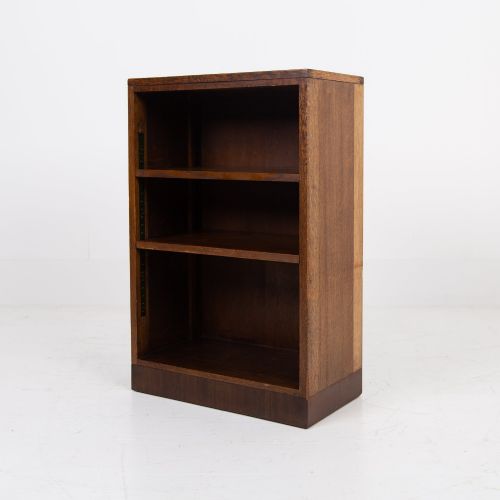
These interwar oak bookcase examples bring practical storage and period character into a room, offering sturdy timber construction suited to everyday use.
Interwar Oak Bookcase
An interwar oak bookcase provides sturdy shelving and storage solutions fashioned from solid timber. These pieces span the 1910s, 1920s, and 1930s, reflecting shifts in taste from traditional revivalism to modern design.
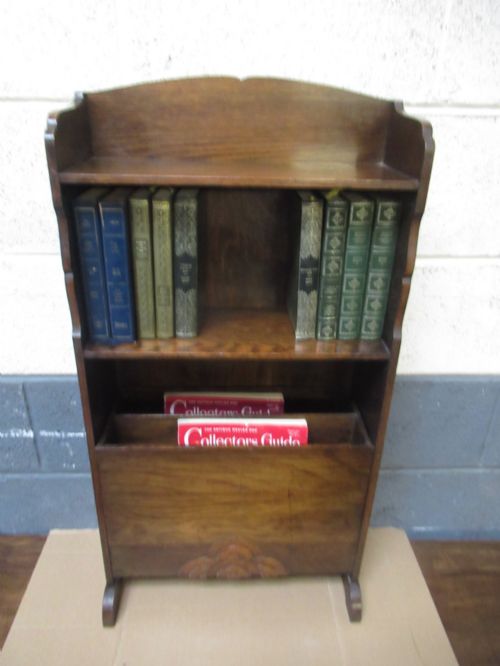
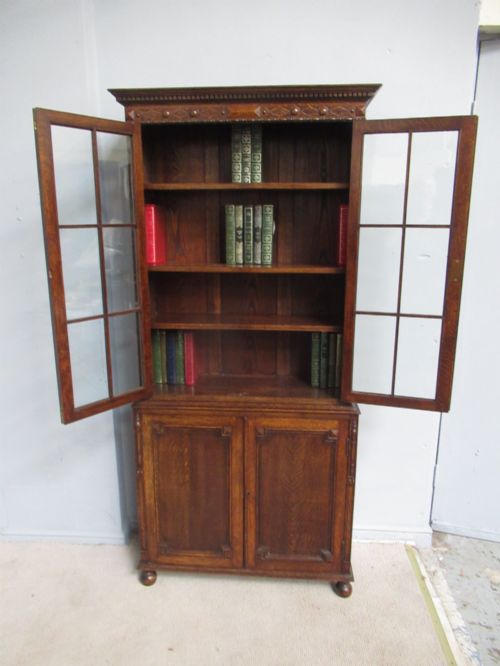
The version most commonly met on this page is the 1920s oak bookcase, appearing in formats ranging from neat open shelves to glazed cupboards and bureau combinations.
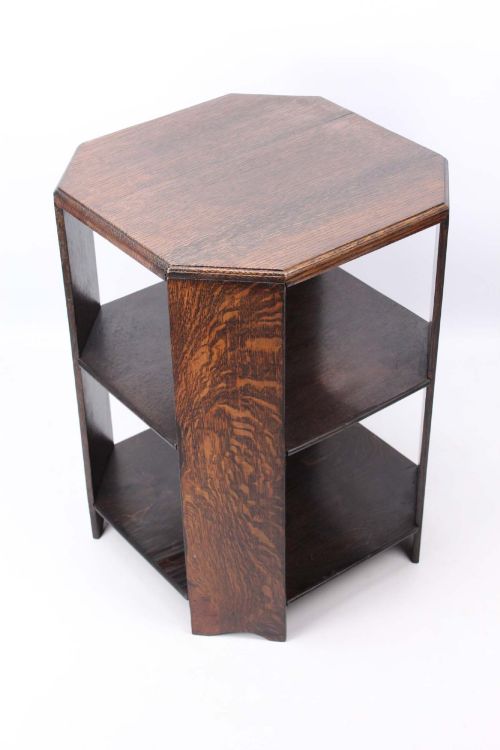
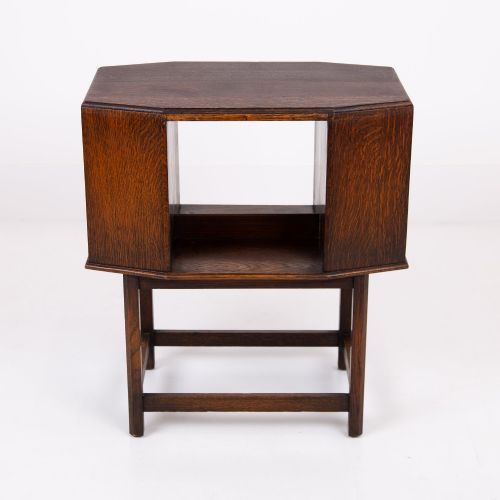
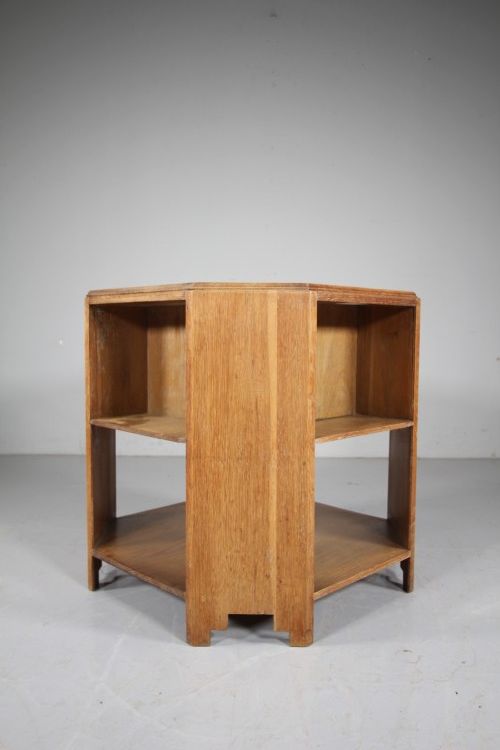
Makers and designers also experimented with hybrid forms, producing side tables incorporating bookshelf space and compact models suited to smaller interiors.
How they were made
Construction relies heavily on oak timber, frequently accented with glass doors, brass fittings, and occasional leather tops for writing surfaces.
Workmanship spans plain utility finishes alongside carved detailing reflecting Jacobean Revival influences, as well as cleaner lines seen in Art Deco and Arts and Crafts examples.
Interwar Oak Bookcase Retail Price Guide 2026
Typical asking prices for interwar oak bookcase among the pieces listed under this phrase on Sellingantiques today, from the lower quarter to the upper quarter. They describe what is for sale here now, not the wider market.
The inventory combines oak with glass, brass, leather, sycamore, and birch across the 1910, 1920, and 1930 periods.
What varies in quality
The grade of timber selection and the crispness of cabinetmaking separate standard utility items from pieces bearing designer attribution.
Integration of secondary materials, such as sycamore or birch details and quality brass hardware, distinguishes finer workshop production from simpler commercial output.
Heals·Betty Joel
The Interwar Oak Bookcase Glossary
- Jacobean Revival
- A style reviving seventeenth-century carving and heavy proportions. It frequently appears on furniture from the early twentieth century.
- Bureau Bookcase
- A dual-purpose piece combining a sloping writing desk with shelving above. It offers enclosed storage alongside display space.
- Art Deco
- A modernist design movement emphasising geometric forms and streamlined shapes. It emerged strongly during the nineteen-thirties.
- Glazed Bookcase
- A cabinet featuring glass-fronted doors to protect volumes from dust. This form allows the contents to remain visible.
- Open Bookcase
- A simple shelving unit without doors for immediate access to books. These pieces often feature adjustable or fixed timber shelves.
Interwar Oak Bookcase: Frequently Asked Questions
What periods do these bookcases cover?
The pieces span the early twentieth century, taking in the 1910s, 1920s, and 1930s.
This era captures a transition from traditional revival styles towards cleaner modernist forms.
How were bureau bookcases used?
A bureau bookcase combined a drop-front writing surface with upper shelving for stationary and volumes.
They provided a compact workspace and storage station within domestic settings.
Are all these bookcases made of solid oak?
Oak serves as the primary timber across the selection, often complemented by secondary woods like birch and sycamore.
Metal, brass, glass, and leather also appear as functional and decorative elements.
How do I distinguish Art Deco from revival styles?
Art Deco pieces utilise streamlined modern geometry and smooth surfaces, typical of the 1930s.
Revival pieces lean on heavy carved oak detailing inherited from earlier centuries.