



Inlaid Wooden Table Mirror
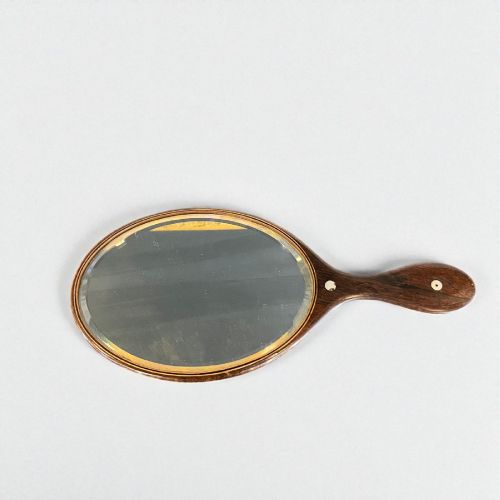
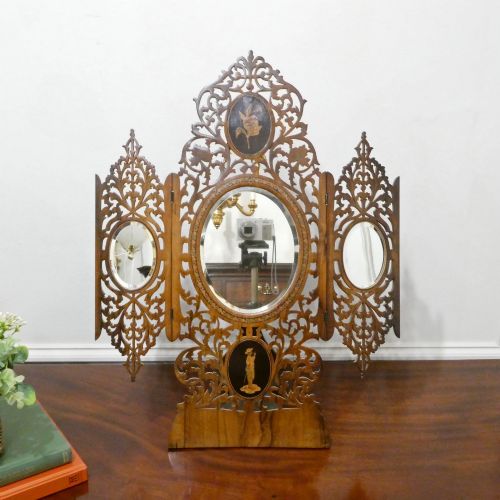
An inlaid wooden table mirror is a charming portable glass set in a decorated wooden frame, offering both utility and craftsmanship for a dressing surface.
Inlaid Wooden Table Mirror
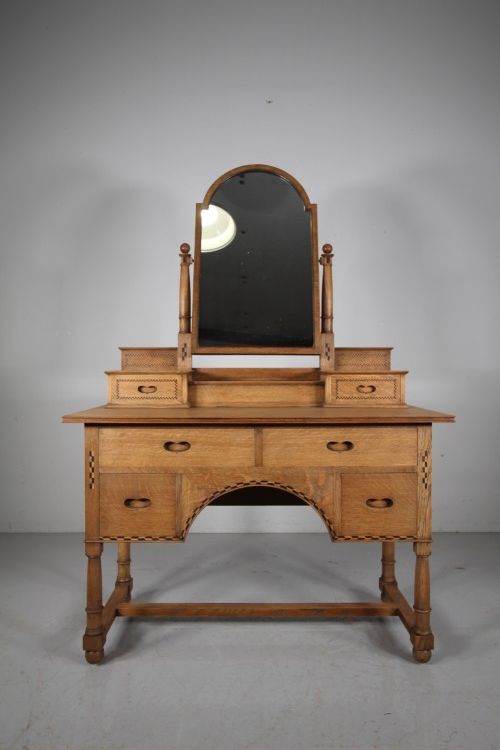
An inlaid wooden table mirror sits upon dressing surfaces, chests and side tables, providing a moveable looking glass for daily grooming. These pieces range from compact swing mirrors to elaborate toilet mirrors fitted with drawers.
Most examples found here date from the Georgian, Regency, Victorian and Edwardian periods, alongside nineteenth century interpretations. You will frequently encounter Dutch marquetry toilet mirrors and satinwood or mahogany swing frames among the selection.
Makers and cabinetmakers produced these items in various regional styles, including English satinwood designs and continental marquetry work. Their primary function remains unchanged, serving as both functional mirrors and decorative tabletop items.
How they were made
Craftsmen shaped these frames from solid and veneered timbers such as mahogany, walnut, satinwood, oak and fruitwood marquetry. Timber selection dictated the structural foundation of each mirror and its supporting stand.
Decorative surfaces display intricate wood inlay and marquetry techniques, contrasting lighter and darker woods to create floral or geometric motifs. Brass fittings frequently secure the swivelling glass frame to its upright supports.
Inlaid Wooden Table Mirror Retail Price Guide 2026
Typical asking prices for inlaid wooden table mirror among the pieces listed under this phrase on Sellingantiques today, from the lower quarter to the upper quarter. They describe what is for sale here now, not the wider market.
Some travel versions fold entirely flat into compact wooden boxes, proving that nineteenth century travellers still insisted on proper grooming gear.
What varies in quality
The sophistication of the timber inlay largely distinguishes finer examples from simpler workshop pieces. Elaborate floral marquetry and well-chosen veneer grains demand greater skill than basic linear stringing.
Proportion and stability in the framing mechanism separate superior craftsmanship. A well-balanced swing mirror holds its angle firmly without sagging, supported by neatly joined uprights and robust box bases.
Heals·Gillows
The Inlaid Wooden Table Mirror Glossary
- Marquetry
- The art of forming decorative patterns by fitting together small pieces of wood veneer. This technique creates pictorial designs across the surface of the mirror frame.
- Toilet mirror
- A small moveable mirror designed to sit on top of a dressing table or chest. These often incorporate small drawers within their base stands.
- Swing mirror
- A looking glass hung on pivots between two upright posts allowing it to tilt. This mechanism permits the user to adjust the angle of reflection.
- Satinwood
- A pale, hard wood with a natural sheen often used for fine cabinetmaking and inlay work. It provides a bright contrast against darker timbers.
- Stringing
- A narrow strip of contrasting wood inlay used to outline panels and drawers. It adds subtle linear detail to the edges of the mirror frame.
Inlaid Wooden Table Mirror: Frequently Asked Questions
How do I clean the wood frame?
Dust the wooden surfaces regularly with a soft, dry cloth to prevent dirt accumulation. Avoid harsh chemical polishes that can damage older finishes and delicate wood inlay.
Apply a traditional microcrystalline wax sparingly if the timber appears dry, buffing gently to restore a soft sheen.
Are the mirror plates original?
Many older pieces retain their original glass, which often shows minor foxing or light ageing spots. Original plates display a softer, less uniform reflection compared to modern manufactured glass.
Replacement glass is sometimes fitted during the lifetime of the piece to maintain practical use as a looking glass.
How do I secure a loose swing mirror?
Check the pivot screws or wooden tension knobs situated where the glass frame meets the upright supports. Tightening these fittings carefully usually restores proper resistance to the swivelling motion.
Take care not to over-tighten metal screws into aged wood to prevent stripping the surrounding grain.
Where should I place a table mirror?
Position the piece on a stable surface such as a dressing chest, sideboard or dedicated dressing table. Ensure the furniture piece supports the entire base evenly without overhang.
Keep the mirror away from direct sunlight and damp environments to protect the wood veneers and internal silvering of the glass.