


Inlaid Oak Hall Table
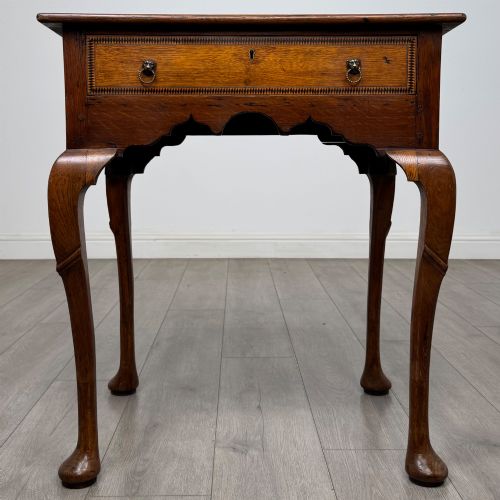
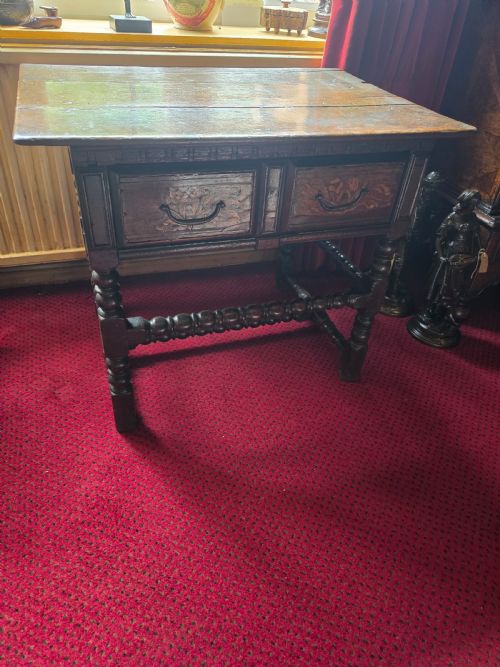
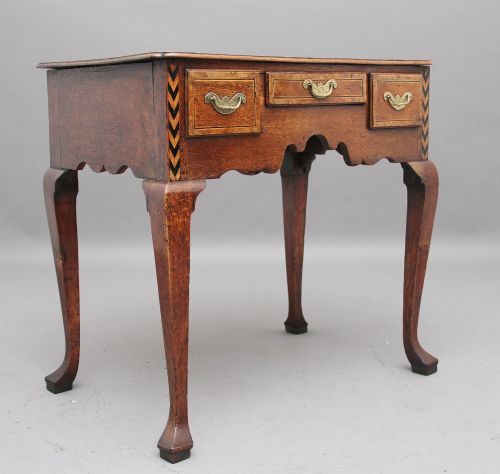
These inlaid oak hall table examples bring together sturdy wood and decorative surface work, offering a practical surface for an entrance.
Inlaid Oak Hall Table
An inlaid oak hall table serves as a functional and decorative piece for an entrance, drawing on forms recorded across the Georgian, 17th Century, Regency, 19th Century, and Victorian periods. Buyers seeking an inlaid oak hall table will encounter various designations in the evidence, including side tables, lowboys, centre tables, and console tables.
The material foundation is predominantly oak, often paired with walnut, pollard oak, or mahogany elements, complemented by wood inlay, parquetry, and brass or iron details. Surviving pieces range from late seventeenth-century examples featuring intricate parquetry to nineteenth-century Gothic Revival and late Victorian interpretations.
What varies in quality
The refinement of the wood inlay and parquetry work largely dictates the visual standard of each piece, distinguishing simple country items from more elaborate urban commissions. Selection of timber, such as figured pollard oak or carefully matched oak grains, also marks the distinction between standard utilitarian items and finer works.
Structural integrity and the survival of original secondary timbers, including brass hardware and oak drawer linings, influence the standing of an example within its period.
Some seventeenth-century ancestors of the hall table likely spent their early days holding heavy pewter jugs rather than calling cards.
Charles Bevan
The Inlaid Oak Hall Table Glossary
- Inlay
- A technique where pieces of contrasting material are inserted into a recessed surface to form a decorative design. This method enhances the visual appeal of table tops.
- Parquetry
- A geometric mosaic of wood pieces used for decorative floors and table tops. It creates intricate repeating patterns across the surface.
- Lowboy
- A small eighteenth-century table with one or more drawers and long legs. These pieces frequently served dressing or side table functions.
- Pollard Oak
- Timber taken from trees that have been pollarded, producing dense growth rings and highly figured grain patterns. Cabinet makers utilised this wood for decorative veneer surfaces.
Inlaid Oak Hall Table: Frequently Asked Questions
What periods do these tables represent?
The available selection spans several distinct eras, stretching from the seventeenth century through the Georgian and Regency periods up to late Victorian times. Each era brings specific structural traits and decorative preferences to the form.
Buyers will find that seventeenth-century pieces often feature parquetry and simpler joinery, whereas Georgian and Regency examples introduce refined side table and lowboy proportions.
How were these tables used originally?
These tables served primarily as functional furniture in entrance halls, living spaces, and dressing rooms for storing small items and displaying objects. Their surface area accommodated lighting and decorative pieces.
Drawers provided secure storage for documents or personal effects, making them versatile additions to domestic interiors.
What materials are common in these pieces?
Oak forms the primary structural and visual base of these tables, frequently supplemented by walnut, pollard oak, and mahogany. Decorative elements incorporate wood inlay and parquetry alongside metal fittings.
Secondary woods often appear in concealed areas such as drawer linings, showing the practical construction methods of past cabinet makers.
How do I identify a lowboy?
A lowboy is a compact table featuring a low profile with one or more rows of drawers supported by slender legs. They function well as side or hall tables due to their modest dimensions.
Eighteenth-century examples in this category demonstrate the typical proportions and drawer configurations associated with the form.