


Victorian Hall Console Table
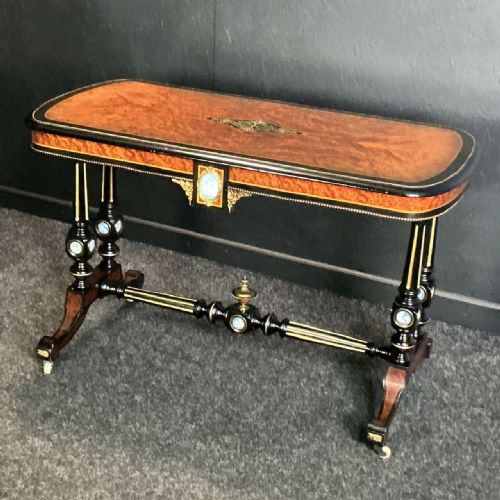
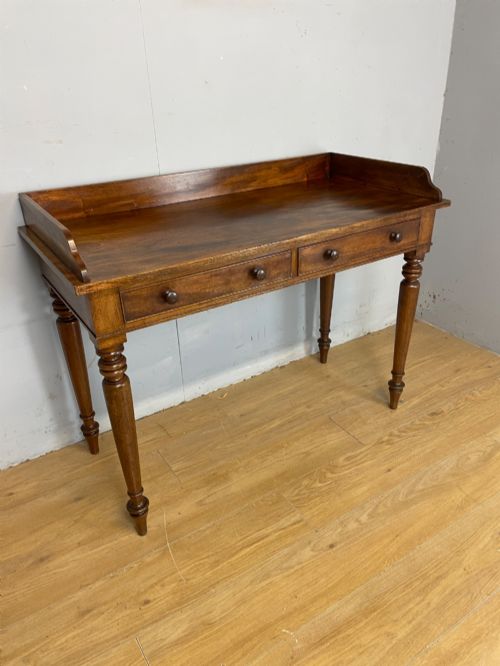
A victorian hall console table brings architectural presence and utility to an entranceway, combining heavy timber frames with narrow proportions designed for circulation spaces.
Victorian Hall Console Table
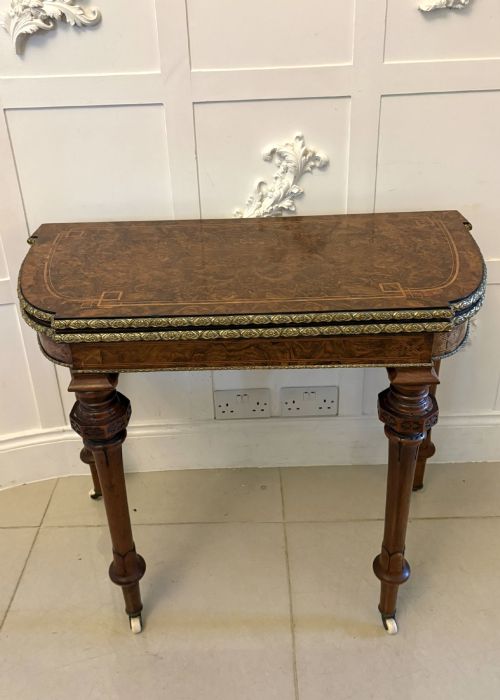
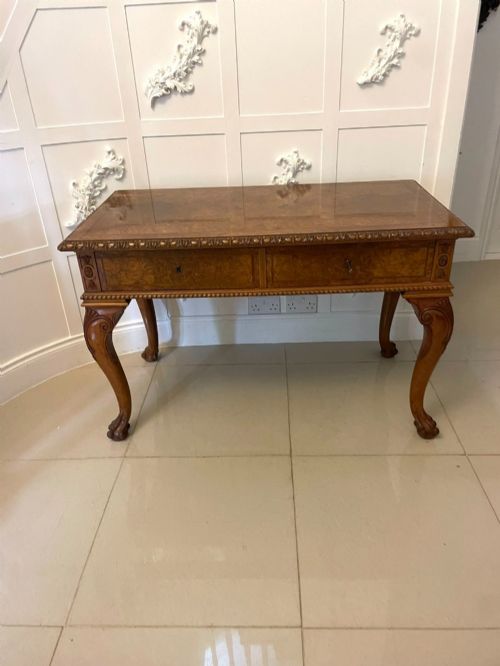
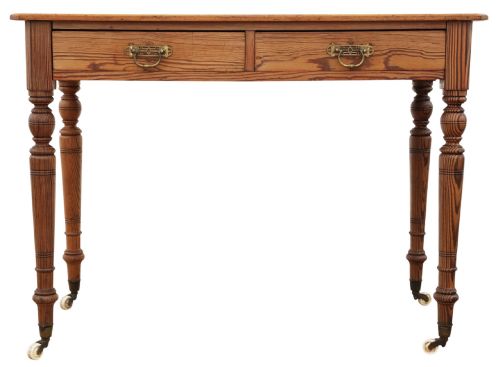
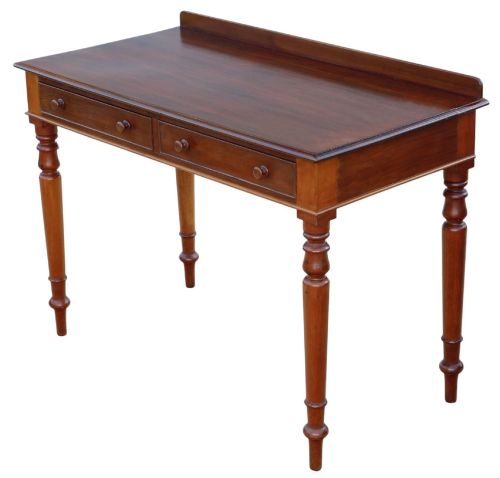
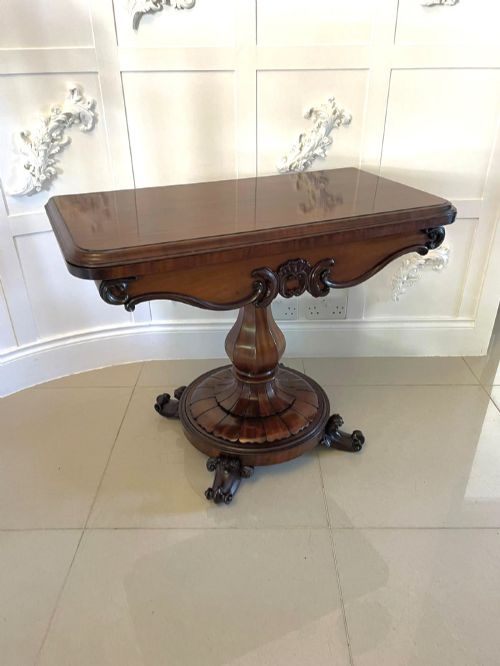
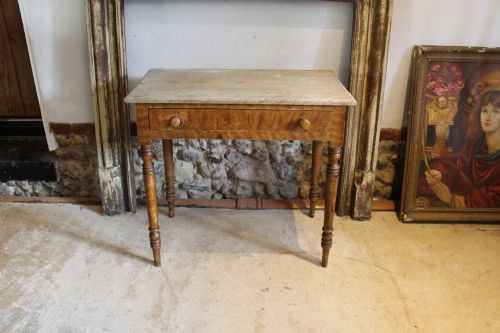
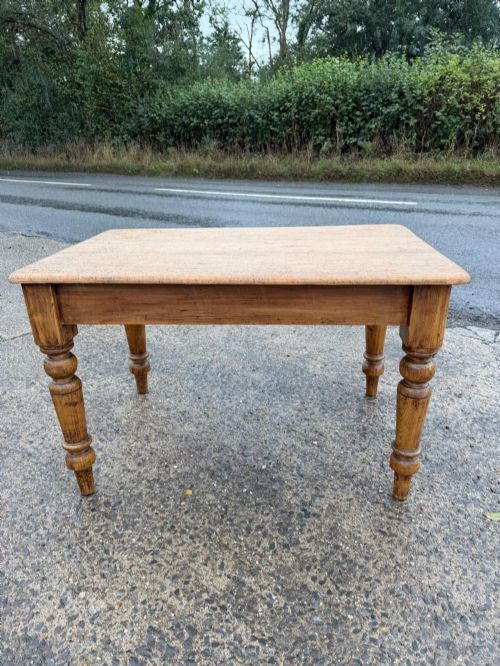
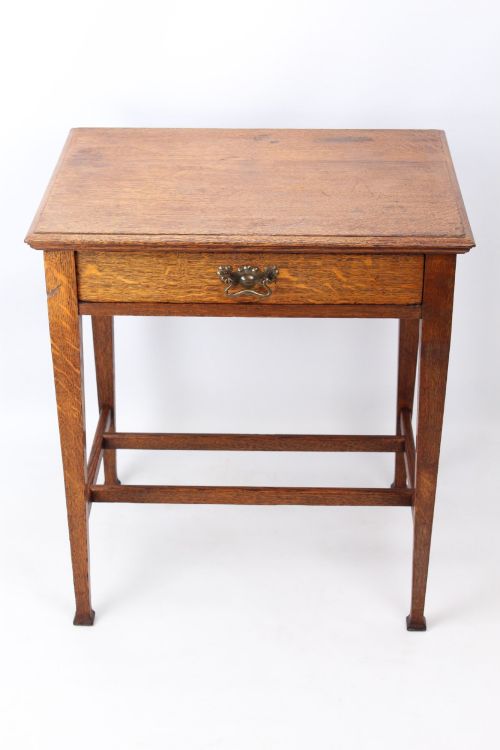
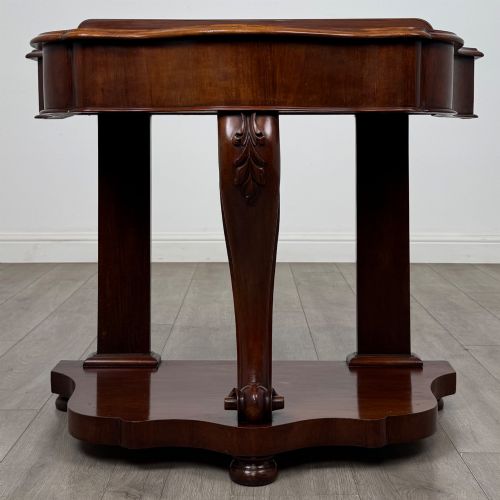
A victorian hall console table serves as a functional anchor for an entrance passage, traditionally positioned flat against a wall to hold correspondence, lamps, or visiting cards. The pieces appearing here span the nineteenth century, encompassing early variants in plain deal or golden oak alongside heavily carved walnut and mahogany examples from later decades.
Makers adapted the form for confined spaces by producing demilune shapes, narrow rectangular side tables, and mirror-backed exhibition pieces. These tables frequently overlap in typology with writing desks and serving tables, sharing similar frieze drawers and slender leg configurations.
Materials and Technique
Cabinetmakers relied on dense hardwoods like mahogany, walnut, and oak for structural integrity, often selecting figured veneers such as flame mahogany or burr walnut for the primary surfaces. Softer timbers including pine, pitch pine, and elm served for carcases and provincial pieces, occasionally finished with scumble paint or left in their natural state.
Construction techniques combined traditional hand-cut dovetails for drawer boxes with mortise and tenon joints for the underframes. High-status examples incorporate inset marble tops in white or rouge varieties, secured to heavy carved wooden bases with decorative brackets.
Periods represented stretch from early Victorian and 1850 through 1880 and 1900 to the 1920s.
Assessment of Quality
The distinction between standard utility items and superior examples lies in the selection of timber and the depth of carving. Master workshops employed symmetrical, highly figured veneers and crisp, undercut foliate carving rather than shallow machine stamping.
Structural honesty and original components define a better piece. Surviving brass hardware, uncompromised marble slabs, and secondary timbers matching the primary wood indicate higher original cost and careful preservation.
Heal and Son·Edward s And Robert s·Gillows·Chamberlains Norwich
The Victorian Hall Console Table Glossary
- Demilune
- Half-moon shape, commonly applied to console tables designed to sit flush against a wall. This profile minimises obstruction in narrow hallways while providing adequate surface area.
- Frieze
- The horizontal architectural band situated directly beneath the top board of the table. In these pieces, the frieze frequently houses one or more concealed drawers.
- Scumble
- A decorative painting technique used to simulate more expensive wood grain on a cheaper softwood base. It appears on provincial furniture from the mid-nineteenth century.
- Gothic Revival
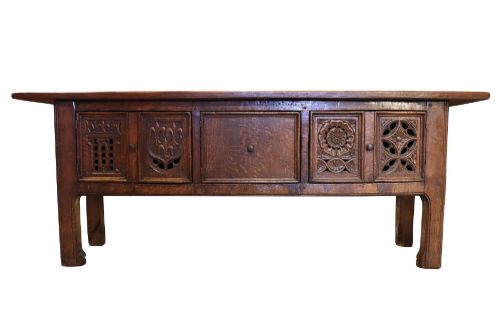
- A nineteenth-century design movement drawing inspiration from medieval architecture. Pieces in this style feature pointed arches, linenfold panelling, and heavy carved oak.
Victorian Hall Console Table: Frequently Asked Questions
Where should I place a console table?
These tables suit narrow circulation areas, entrance lobbies, and passages where floor space is limited. Their shallow depth allows them to sit against a wall without obstructing movement.
Pairs of demilune tables also function well flanking a fireplace or beneath a large wall mirror in a reception room.
Did these tables have drawers originally?
Many examples feature one or two shallow frieze drawers designed for holding keys, gloves, and household post. Some pieces omit drawers entirely to maintain a lighter visual profile.
Internal construction should show hand-cut dovetailing and solid secondary timbers consistent with the exterior age.
How do I care for a marble top?
Marble surfaces require regular dusting with a soft, dry cloth to prevent grit accumulation. Acidic liquids like citrus juice or vinegar should be wiped away immediately to avoid etching the polish.
Applying a neutral wax provides a protective barrier against staining while preserving the cool sheen of the stone.
What distinguishes a hall table from a side table?
Hall tables typically feature narrower proportions to fit restricted corridors and often incorporate surfaces treated to resist damp or heavy use, such as marble or polished hardwood. Side tables share similar construction but served in dining rooms or parlours.
In historical listings, these terms frequently overlap due to interchangeable domestic uses.