

Inlaid Marble Top Table
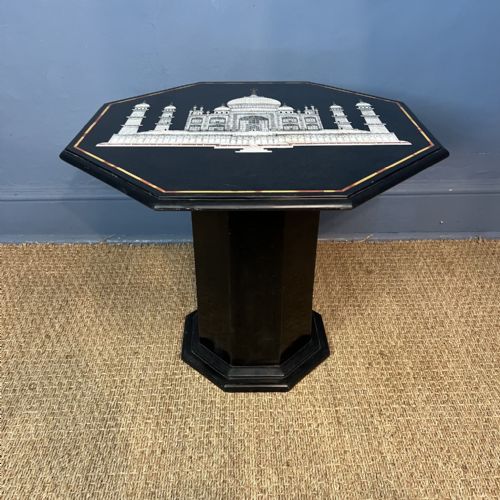
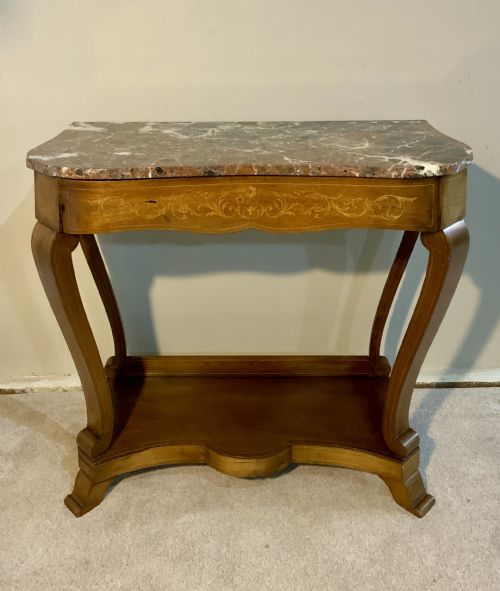
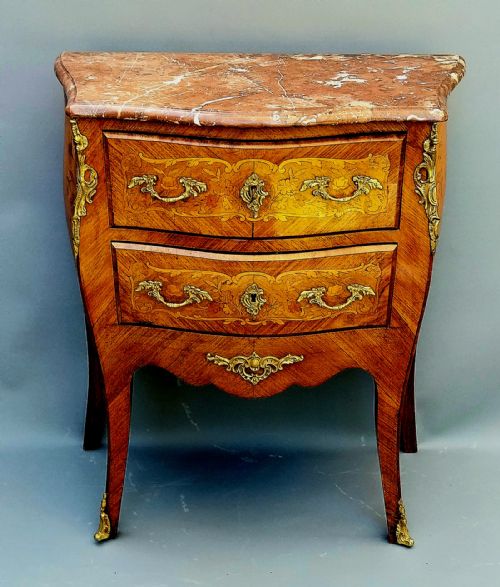
An inlaid marble top table brings a cool, hard surface and intricate timber work together, offering both utility and a distinct focal point for a room.
Inlaid Marble Top Table
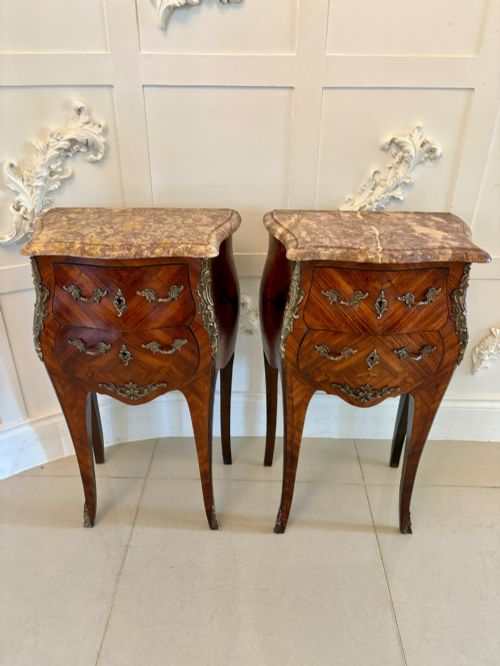
An inlaid marble top table combines a solid stone surface with decorative woodwork beneath, spanning occasional pieces, consoles, and bedside cabinets. When searching for an inlaid marble top table, buyers frequently encounter French and Italian examples from the nineteenth and early twentieth centuries alongside Regency and Edwardian pieces.
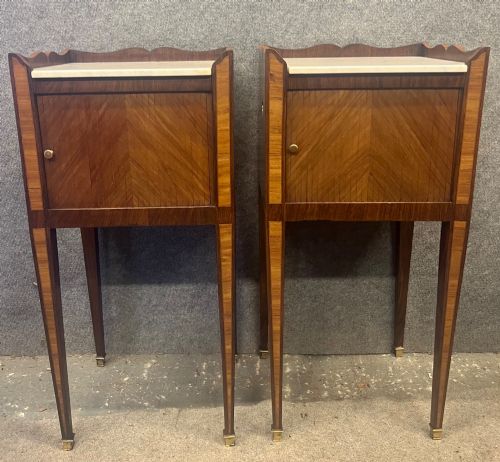
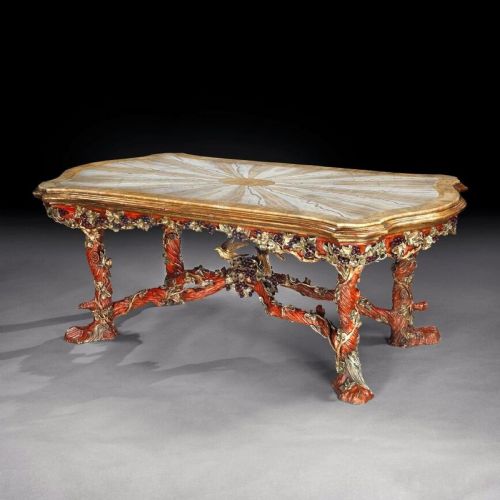
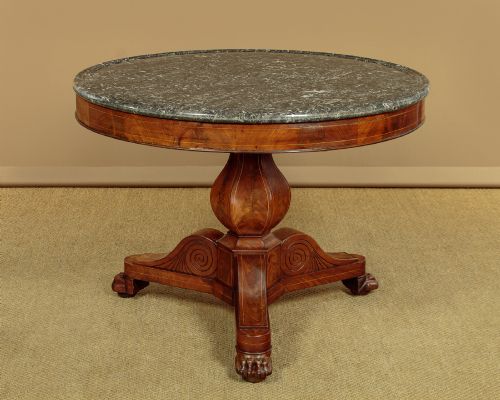
The assortment ranges from large centre tables with specimen marble inserts to smaller bedside chests and gueridons framed in walnut, mahogany, or kingwood. These surfaces served practical functions in bedrooms and reception rooms alike, acting as washstands, lamp tables, or display surfaces.
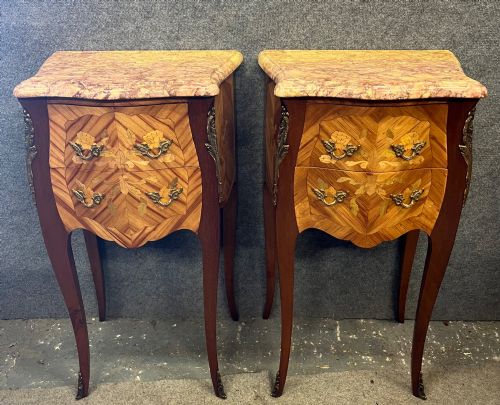
Victorian and Edwardian iterations dominate the selection, often featuring marquetry or ormolu mounts that reflect French taste. Buyers will find that many surviving pieces are designed for specific domestic corners, from demi-lune consoles to compact bedside cabinets.
Materials and construction
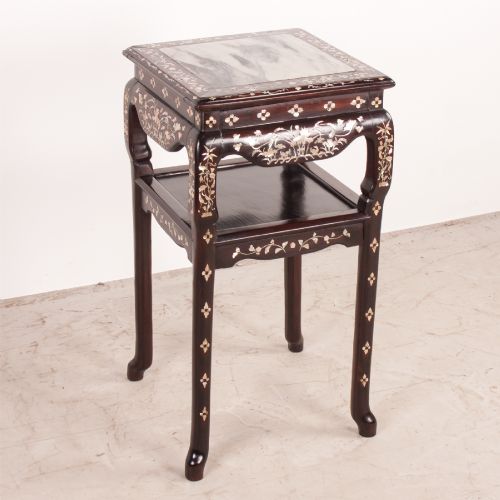
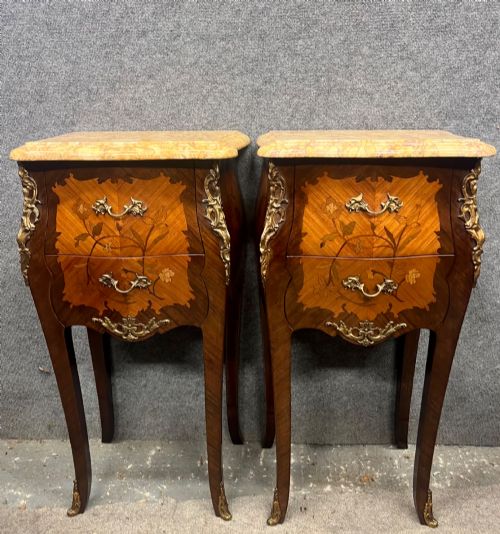
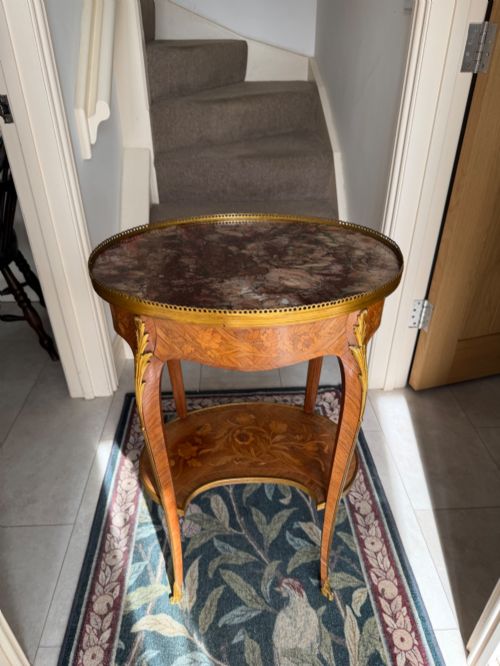
Makers built the foundational frames of these tables using dense timbers such as mahogany, walnut, kingwood, and rosewood, frequently applying detailed marquetry or parquetry in contrasting veneers. Brass stringing, ormolu mounts, and mother-of-pearl inlay often embellished the timber structures.
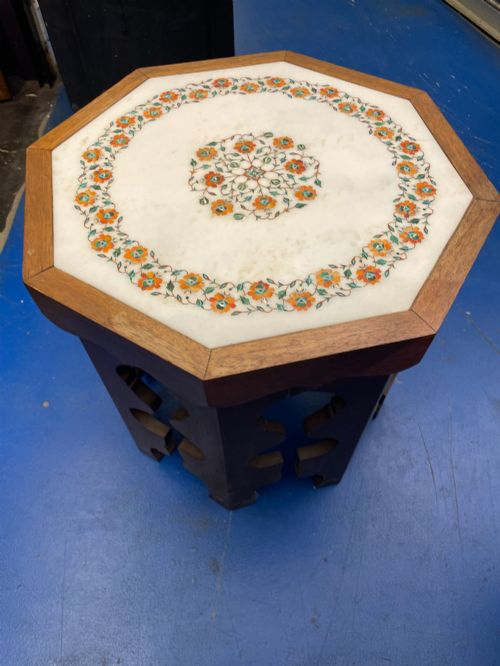
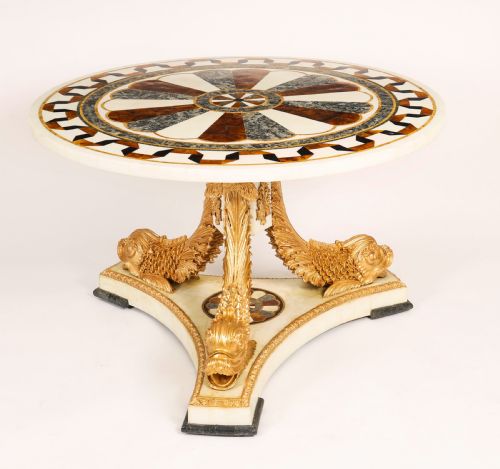
The heavy stone surfaces utilise white, black, purple, or multicoloured specimen marble, sometimes arranged as geometric mosaics or intricate floral patterns. Supporting structures rely on sturdy joinery, occasional cast iron frames, and carved wooden pedestals to bear the significant weight of the stone tops.
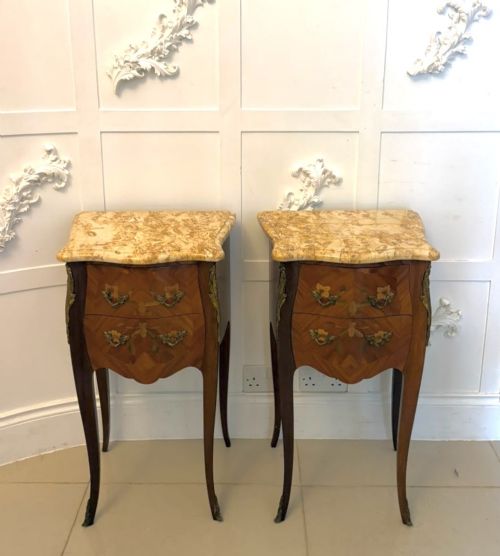
Several bedside cabinets arrive in matching pairs, proving that even eighteenth-century bedrooms appreciated symmetry.
Craftsmanship and design
The refinement of the timber inlay and the precision of the stone cutting separate standard items from superior examples. Finely executed marquetry displays tight joints and subtle shading in the veneers, whereas lesser pieces show simpler geometric patterns with wider grout lines.
The quality of the mountings and the selection of the marble dictate the upper tier of the range. Cast bronze ormolu mounts with crisp chasing and polished specimen marble panels denote skilled workshops rather than mass-produced output.
Amleto Bertoni·Lamb of Manchester
The Inlaid Marble Top Table Glossary
- Marquetry
- Decorative veneer work arranged in pictorial or floral patterns. Craftsmen cut thin slices of various timbers to fit together precisely across the table top or frame.
- Ormolu
- Gilt bronze mounts applied to furniture for ornamentation. This technique was widely utilised on French tables during the nineteenth century.
- Specimen marble
- Marble composed of multiple different coloured stones fitted together in geometric or figurative designs. These panels often form the focal point of nineteenth-century tables.
- Gueridon
- A small circular table supported by a central pillar or columns. Originating in France, these pieces frequently feature marble tops and inlaid timber.
- Demi-lune
- A half-moon shape characteristic of console tables designed to sit flush against a wall. This form allows the inlaid top to serve narrower hallways and reception spaces.
Inlaid Marble Top Table: Frequently Asked Questions
What rooms suit an inlaid marble top table?
These tables find natural placement in reception rooms, hallways, and bedrooms where their stone surfaces withstand daily use.
Console and centre tables suit larger living spaces, while bedside cabinets and lamp tables fit comfortably beside seating or sleeping areas.
How do I care for a marble top?
Marble requires gentle cleaning with a damp cloth and mild soap to protect the polished finish from acidic spills.
Avoid placing citrus or vinegar directly on the stone, as unsealed varieties absorb liquids readily.
Are these tables heavy to move?
The inclusion of solid stone makes these pieces considerably heavier than standard wooden furniture.
Most tables feature removable marble slabs resting on the timber frames, allowing for safer transport and repositioning.
How do I distinguish French styles?
French pieces often display kingwood veneers, elaborate marquetry, and gilt bronze mounts influenced by Louis XV and Louis XVI designs.
English equivalents tend to favour mahogany or walnut with more restrained inlay and simpler structural lines.