
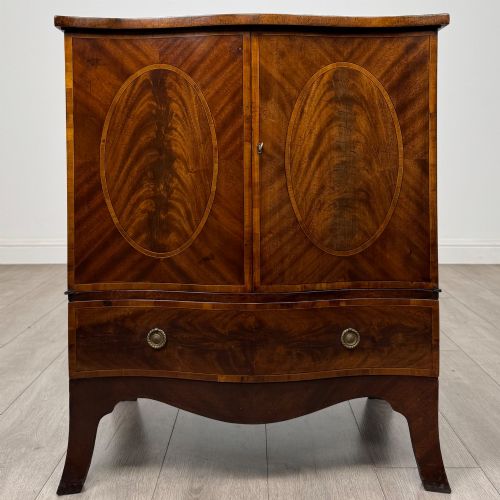
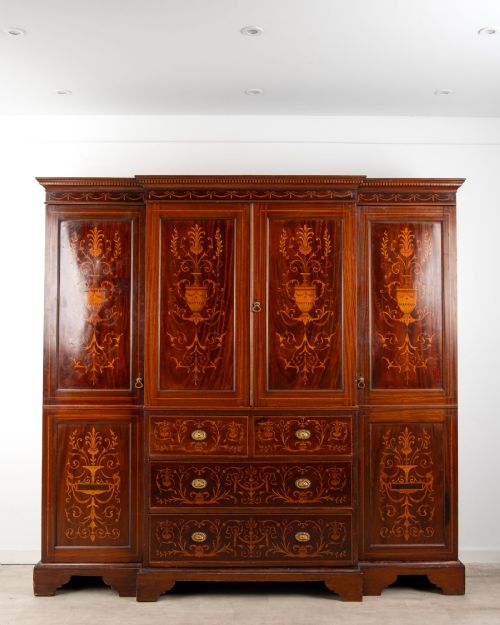
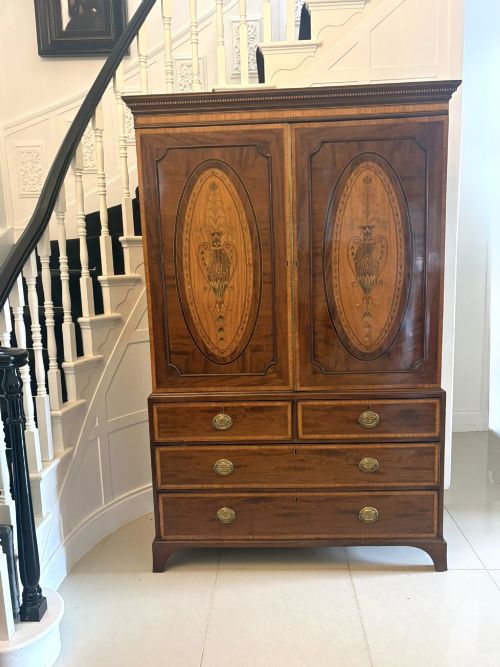
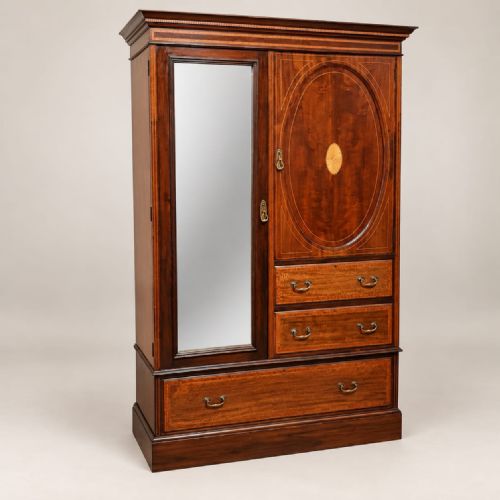
Inlaid Mahogany Wardrobe
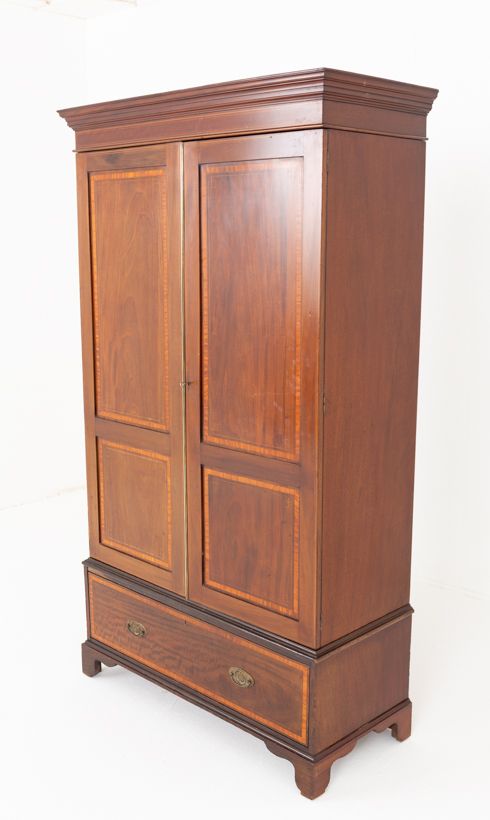
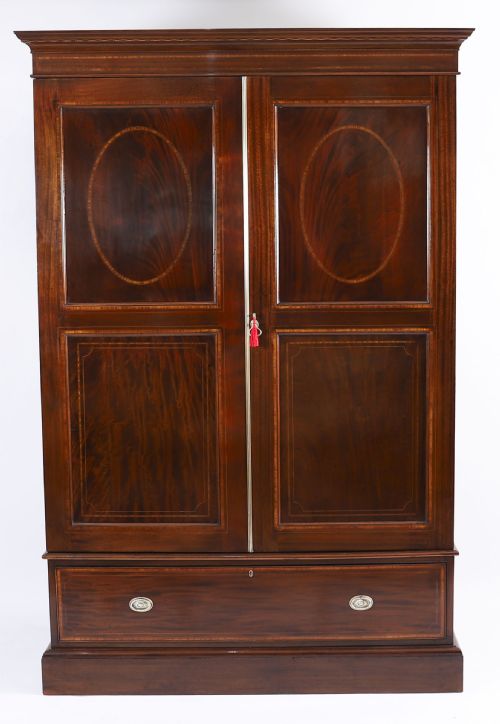
An inlaid mahogany wardrobe brings substantial presence and disciplined timber figure into a bedroom.
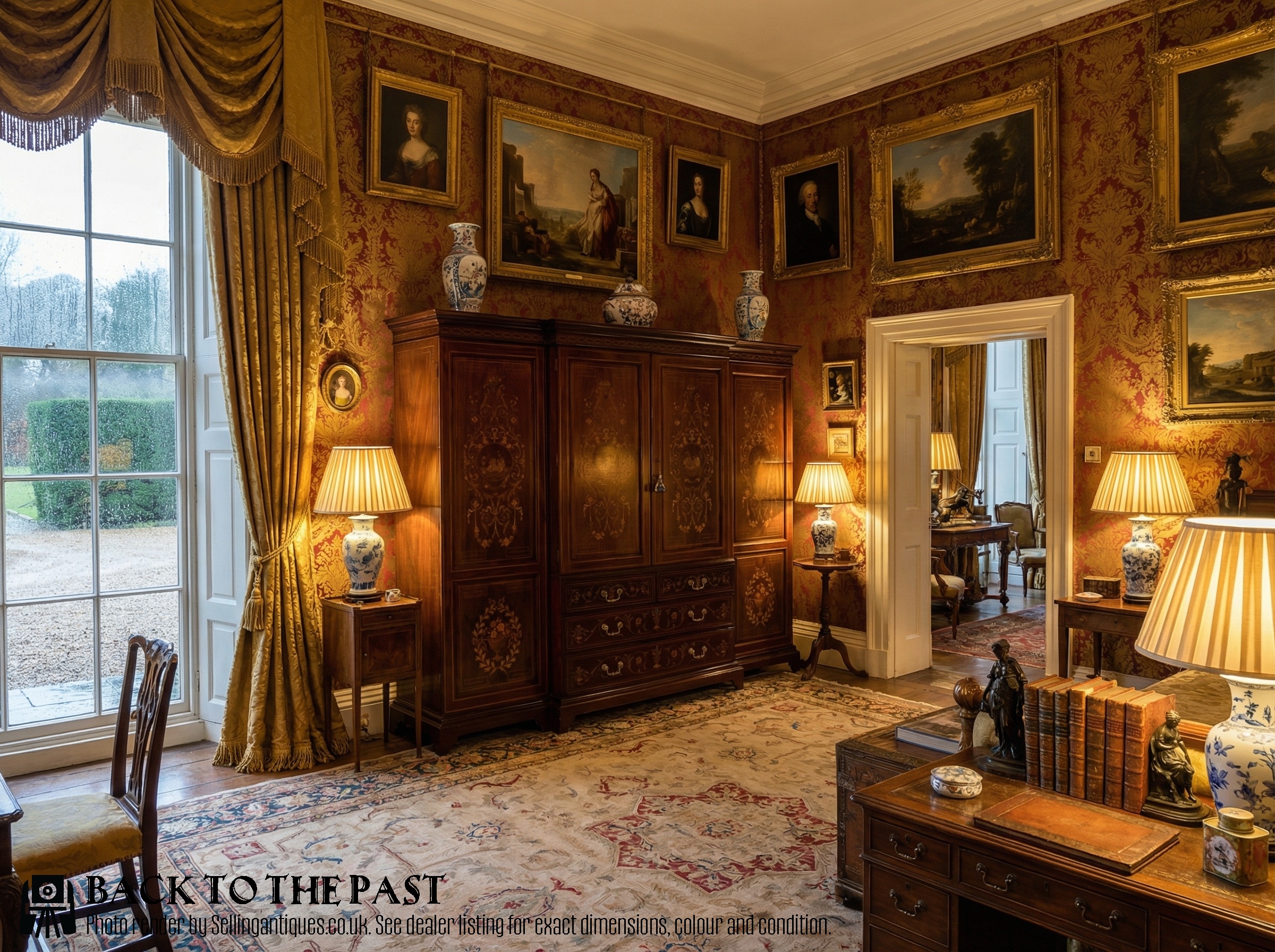
Inlaid Mahogany Wardrobe
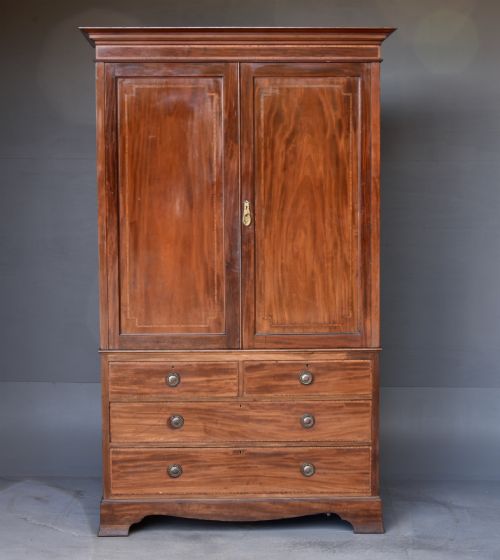
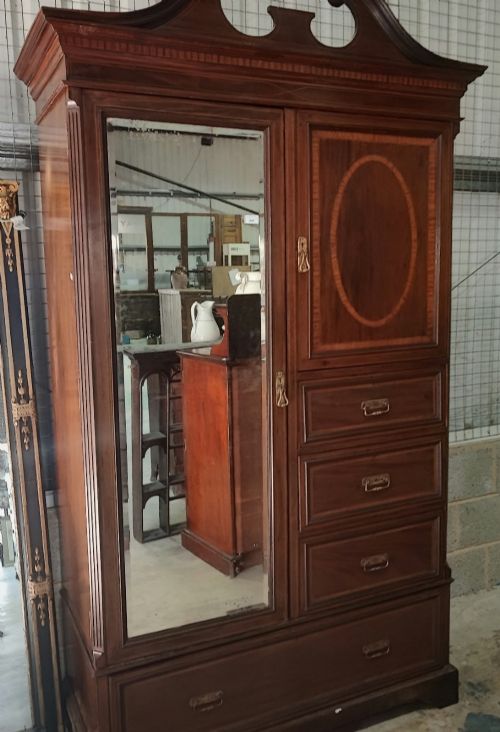
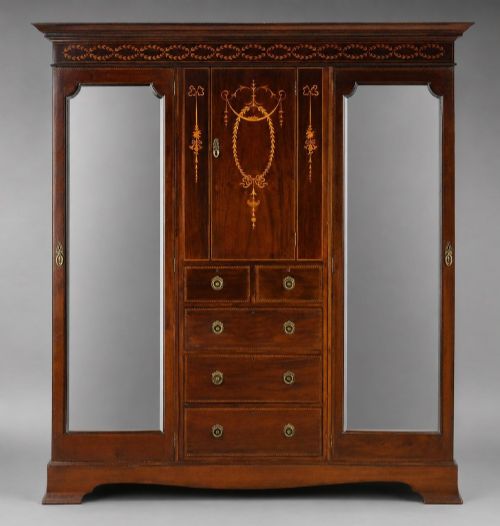
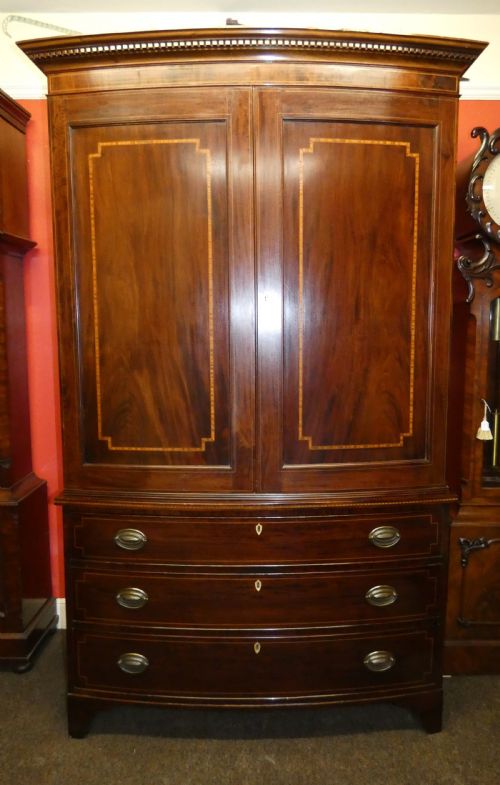
When searching for an inlaid mahogany wardrobe, a buyer encounters large storage furniture spanning the Georgian, Victorian, and Edwardian periods. Pieces range from grand breakfront and compactum designs to linen presses and simpler double door wardrobes.
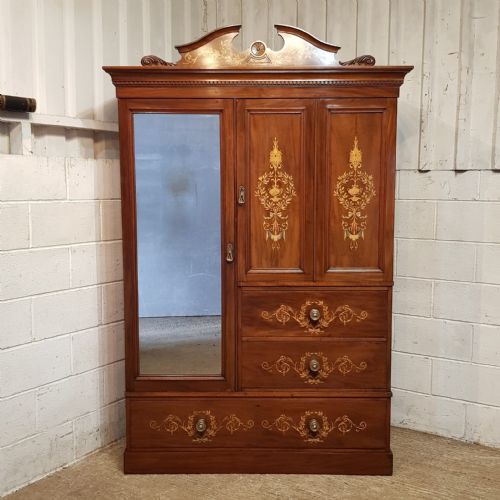
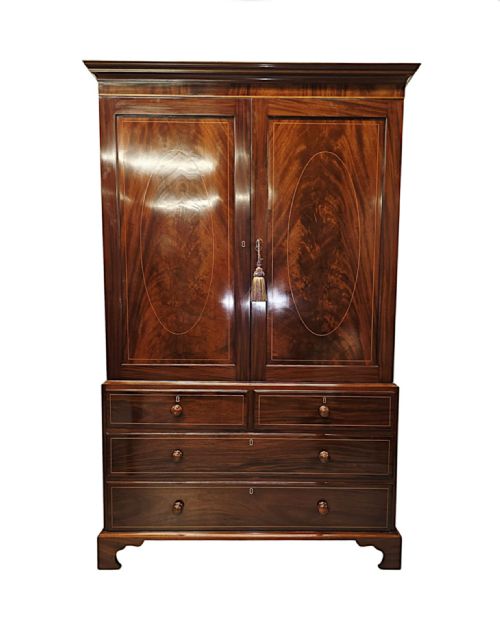
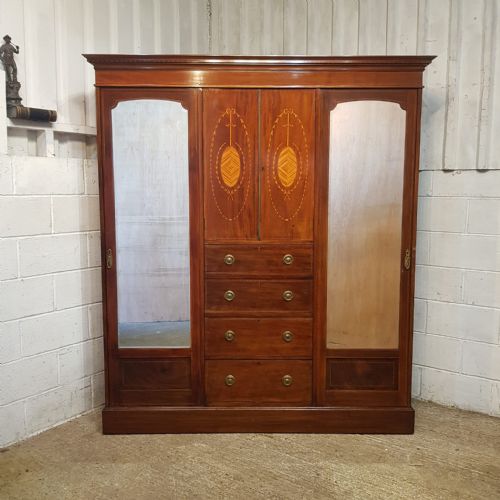
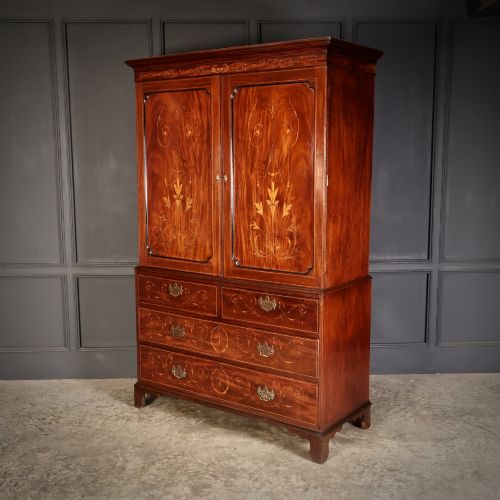
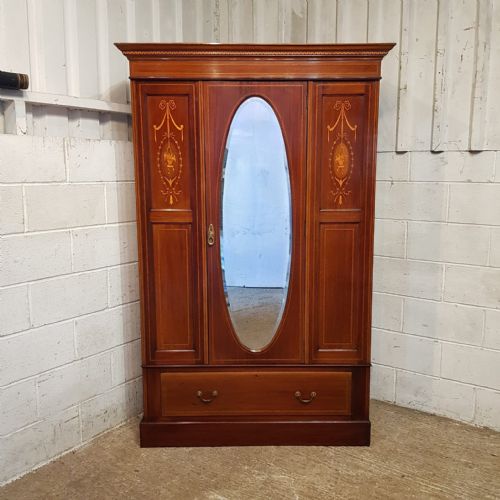
Edwardian examples appear most frequently on this page, often featuring satinwood or boxwood inlay on straight or serpentine fronts. Earlier Georgian and 19th Century iterations frequently take the form of linen presses with fitted interior drawers beneath hanging space.
How they were made
Cabinet makers utilised solid mahogany and flame mahogany veneers over secondary timbers, enriched with contrasting satinwood and boxwood inlay or marquetry details. Brass hardware frequently secures doors and internal drawers.
Construction methods vary from traditional hand-dovetailed carcases to large breakfront configurations designed for assembly within grand country houses.
Inlaid Mahogany Wardrobe Retail Price Guide 2026
Typical asking prices for inlaid mahogany wardrobe among the pieces listed under this phrase on Sellingantiques today, from the lower quarter to the upper quarter. They describe what is for sale here now, not the wider market.
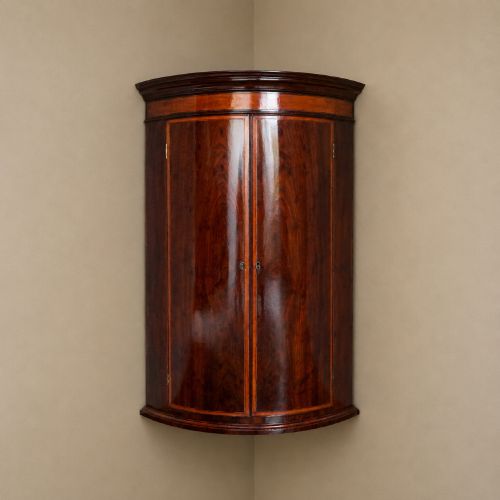
Form variations include breakfront wardrobes, compactums, linen presses, and corner cabinets.
What varies in quality
The degree of distinction lies in timber selection, such as figured flame mahogany or plum pudding mahogany, paired with crispness of boxwood and satinwood inlay. Proportion, architectural cornice work, and the integration of specialised compactum or linen press interiors elevate certain examples above standard utility pieces.
maples & co·Edwards and Roberts·Druce & Co.·WYLIE LOCHHEAD·Heals Ltd London
The Inlaid Mahogany Wardrobe Glossary
- Compactum
- A multi-compartment wardrobe combining hanging space, linen slides, and internal drawers. This configuration offers comprehensive bedroom storage in a single fitted unit.
- Linen Press
- A tall cabinet featuring upper doors enclosing sliding trays for folded textiles, positioned above a chest of base drawers. These pieces date predominantly from the 18th and 19th centuries.
- Marquetry
- Decorative patterns formed by fitting contrasting wood veneers into a prepared ground. Floral and geometric motifs frequently adorn Edwardian and Victorian door panels.
- Flame Mahogany
- Timber cut from the fork of the mahogany tree to produce a distinctive flickering flame grain pattern. Cabinet makers reserved this highly figured veneer for prominent door panels and drawer fronts.
Inlaid Mahogany Wardrobe: Frequently Asked Questions
How do I date an inlaid mahogany wardrobe?
Dating relies on stylistic shifts and structural clues evident in the cornices, feet, and inlay motifs. Georgian pieces lean toward classical proportions and subtle banding, whereas Edwardian examples often display lighter satinwood marquetry and mirrored doors.
Secondary timber analysis and construction techniques, such as hand-cut dovetailing, further clarify whether a piece originates from the 18th century or the later Victorian revival periods.
What is the difference between a wardrobe and a linen press?
A traditional wardrobe focuses primarily on vertical hanging space for garments behind full-length doors. A linen press incorporates internal sliding trays designed specifically for folded linen and textiles, usually positioned above a chest of drawers.
Many antique examples combine both functions within a compactum or combination layout, housing drawers, shelves, and hanging sections side by side.
Will a large breakfront wardrobe fit in a modern bedroom?
Breakfront and triple wardrobes possess substantial footprints and height intended for period rooms with high ceilings. Measuring ceiling clearance and floor space carefully is essential before acquisition.
Many larger antique wardrobes were constructed to dismantle into modular sections for transport and installation, though professional assembly is often required.
How should I maintain mahogany furniture?
Mahogany benefits from stable indoor humidity and protection from direct sunlight to preserve the rich reddish-brown tone and delicate satinwood inlay. Occasional dusting with a soft, dry cloth maintains the surface.
Harsh chemical polishes should be avoided in favour of traditional beeswax applied sparingly to nourish the polished timber surface over time.